What to wear to the opera or theater
In this guide
Do you need a gown or a tuxedo for a first night at the opera? Films suggest so, with their opera glasses and white tie, and nobody wants to be the one person in the wrong clothes. The reality is gentler. Knowing what to wear to the opera today depends mostly on which performance you are going to, and in almost every case something between what you would wear to a nice dinner and what you would wear to a friend's cocktail party is right.
The same guidance works for the ballet, the symphony and a night at the theater, which run on similar customs. Below is how dress changes by performance, outfits for women and men, and the practical details that matter over three or four hours in a velvet seat.
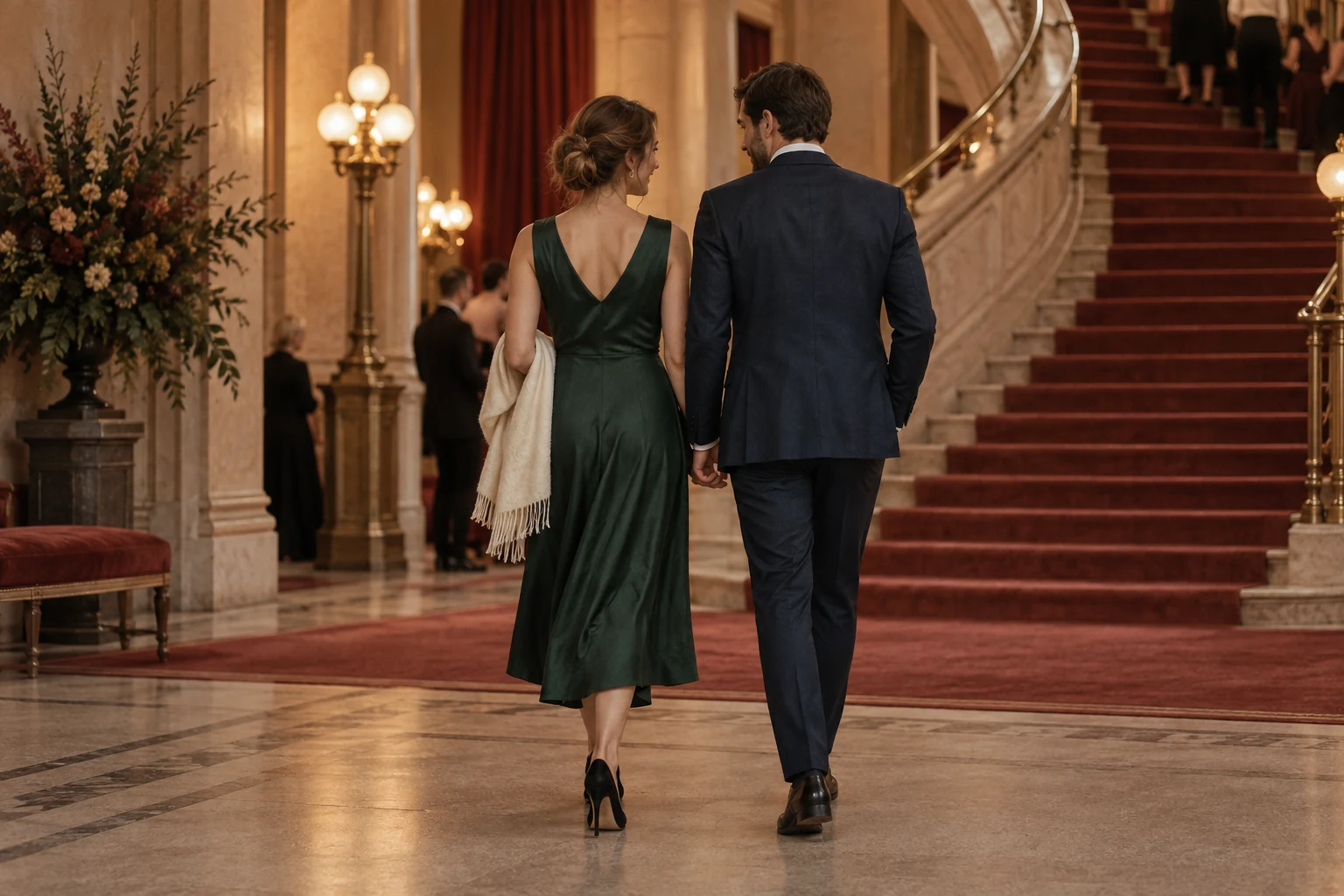
Is there a dress code for the opera?
At most opera houses in the United States and Canada, there is no formal dress code. The Dallas Opera, for example, says it has none and that most patrons wear business or business casual clothes, with matinees more relaxed and opening nights and weekend evenings dressier. Playbill's guide to the Metropolitan Opera in New York puts it simply: dress up as much or as little as you like, because someone will always be more opulent than you. Opera Australia describes the same mix of cocktail dresses, chinos and business suits in one audience.
So the question is not what is allowed but what will make you comfortable in the room. Many people do still dress up, because the evening feels like an occasion and dressing for it is part of the pleasure. You will not be turned away for being casual, but a polished outfit usually feels better when everyone around you in the foyer has made an effort. The exceptions are gala performances and some special events, where the invitation or ticket page may state a dress code such as black tie. When it does, follow it.
How dress changes by performance
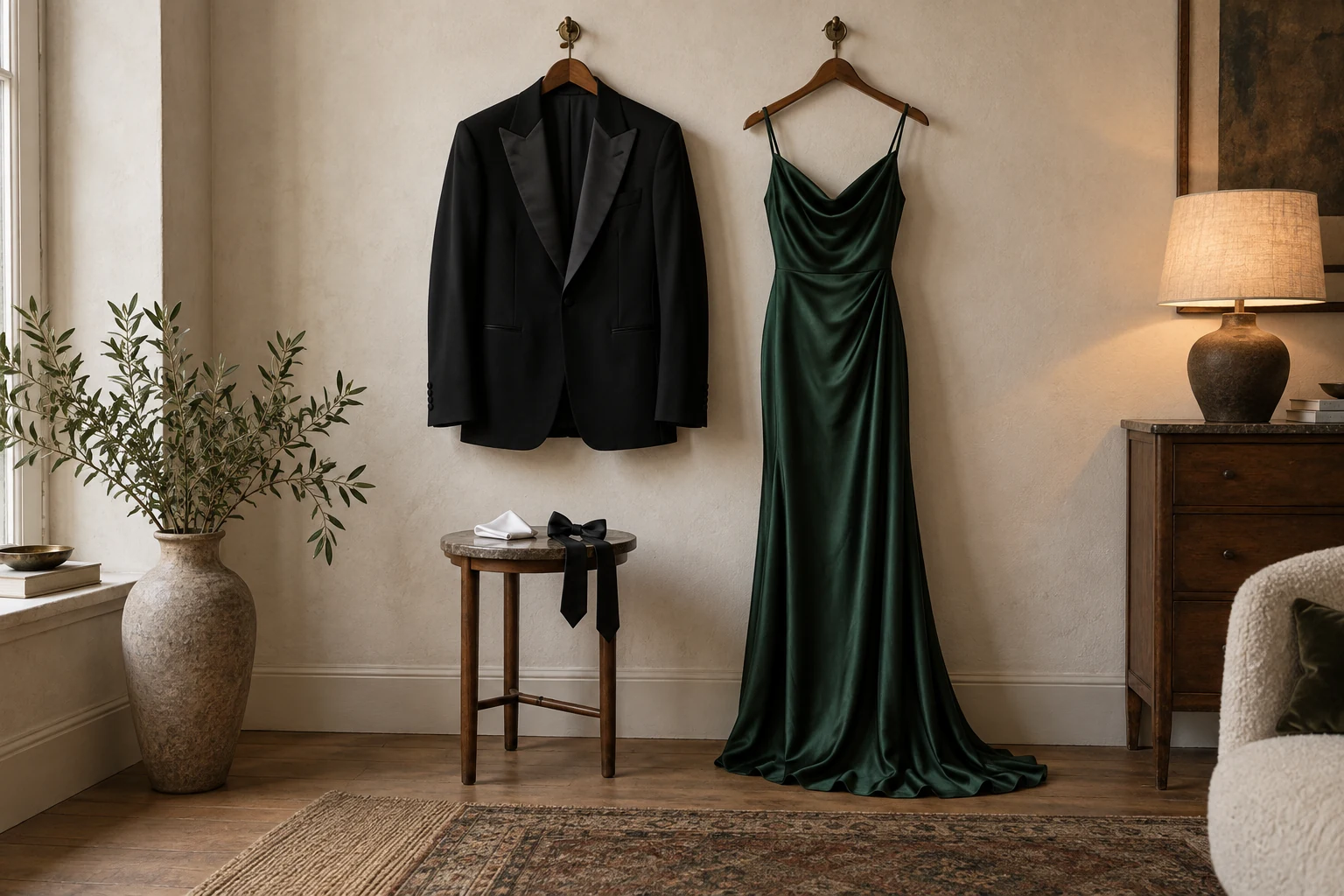
Opening night and gala performances are the dressiest. Expect cocktail attire at a minimum, and at some houses many guests in black tie: long gowns or elegant cocktail dresses, tuxedos or dark suits. If the ticket says black tie, our guide to the black tie dress code explains what it means, and our guide on what to wear to a gala covers the event itself. Weekend evening performances sit one level down, with most people in the range our guide to dressy casual describes, and some in cocktail clothes.
Weeknight evenings are often a little more relaxed, with plenty of people coming from work in office clothes. Matinees are the most casual performances, and here you will see neat jeans, sweaters and flat shoes alongside dresses and jackets. Outdoor summer performances, such as free opera in parks or festival lawns, are casual by nature: dress for the weather, bring a layer for the evening chill and a blanket for sitting. International festivals can be dressier; some European summer festivals have a strong black tie tradition, so check the festival's own guidance before you pack.
What should a woman wear to the opera?
For an evening performance, a knee length or midi dress in a solid color or a quiet print is the easiest choice: a wrap dress, a sheath with a light jacket, or a knit dress with boots in winter. Dressy separates work just as well, such as wide leg trousers with a silk blouse, or a skirt with a fine knit sweater. Our guide to cocktail attire for women covers the step up for opening nights. For a matinee, dark jeans or trousers with a good sweater and loafers look appropriate.
Think about the seat as well as the mirror. You will sit for long stretches, so choose fabrics that do not crease badly or dig in at the waist, and a hem that is comfortable when seated. Wear shoes you can stand and walk in during the intervals, when the foyer is crowded and the stairs are many. A wrap, shawl or cardigan is useful because halls are often cool, and it is easier to hold on your lap than a coat. Our guide to tying a scarf shows a few ways to wear one.
What should a man wear to the opera?
For most evening performances, a jacket is the safe baseline: a navy or gray suit, or a blazer or sports coat with wool trousers or chinos, a collared shirt and leather shoes. A tie is optional at most houses but never looks out of place, and it is worth wearing on a Friday or Saturday night. Our guide to smart casual explains the jacket without a tie version, and the guide to cocktail attire for men covers the dressier end for opening nights.
At matinees and weeknight shows, a sweater over a collared shirt with dark trousers or dark, clean jeans is fine. In black tie settings, wear a tuxedo, or a very dark suit if the invitation says black tie optional. Whatever the level, the details that read well in a theater are the quiet ones: polished shoes, a shirt that fits at the collar, and no loud logos or sportswear.
| Performance | Women | Men |
|---|---|---|
| Opening night or gala | A cocktail dress or long gown | A tuxedo or dark suit; follow any black tie request |
| Weekend evening | A knee length or midi dress, or dressy separates | A suit or blazer; a tie is worth wearing |
| Weeknight evening | Office clothes are common | Office clothes; a jacket, tie optional |
| Matinee | Dark jeans or trousers, a good sweater, loafers | A sweater over a collared shirt, dark trousers or clean jeans |
| Outdoor summer performance | Dress for the weather and bring a layer | Dress for the weather and bring a layer |
Comfort and courtesy in the seats
Opera is long, often three hours or more with intervals, and auditoriums are frequently kept cool for a full house. Opera Australia suggests an extra layer for exactly this reason. It also asks audiences to avoid strong fragrance, which is a courtesy worth following anywhere seats are close together; a light application or none at all is best. Bracelets and bangles that clink, jackets that rustle loudly and shoes that click on stone floors can all be noticed in quiet passages.
Consider the person behind you. Large hats and tall hairstyles block sightlines, so remove hats once seated. Check coats and large bags if the venue offers a cloakroom, or wear a coat slim enough to fold on your lap. Arrive early enough to find your seat calmly, because many houses hold latecomers at the door until a suitable break, which can mean missing the first act.
Jeans, black and other common questions
Can you wear jeans to the opera? Yes, and you will see them at matinees and weeknights. Choose dark, clean, well fitted jeans and dress the rest up: a blazer, a good knit or a silk blouse, and leather shoes. Ripped or faded jeans and sneakers look out of step at an evening performance, though they will not keep you out.
Wearing black is entirely fine; it is one of the most common colors in an opera audience because it looks elegant under evening light. There is no custom against it, and no rule about wearing color either. The theater follows the same logic as the opera, usually one level more casual: business casual works for most Broadway and regional theater evenings, and our guide to concert outfits covers symphony nights and louder venues.
Questions people ask
Do people still dress up for the opera?
Many do, especially for evening and weekend performances, and dressing up is part of the pleasure for regular operagoers. Few houses require it, and audiences are more mixed than in the past. Opening nights and galas remain the dressiest events.
Is a suit too much for the opera?
No. A suit fits in at any evening performance and is never overdressed except perhaps at an outdoor summer show. If you would rather be less formal, a blazer with trousers gives nearly the same effect.
What should I wear to an opera matinee?
Business casual fits best: trousers or dark jeans with a sweater or blouse, or a casual dress, with comfortable shoes. Matinees are the most relaxed performances, and many people come with family or straight from other plans.
Can I wear sneakers to the opera?
Clean, minimal leather sneakers pass at a matinee or casual weeknight, especially with an otherwise smart outfit. For evening performances, loafers, boots or dress shoes look more at home. Athletic running shoes are the ones that stand out most.
Sources and further reading
References used for this guide. Each opens the original page in a new tab.
Keep reading
Dress codes
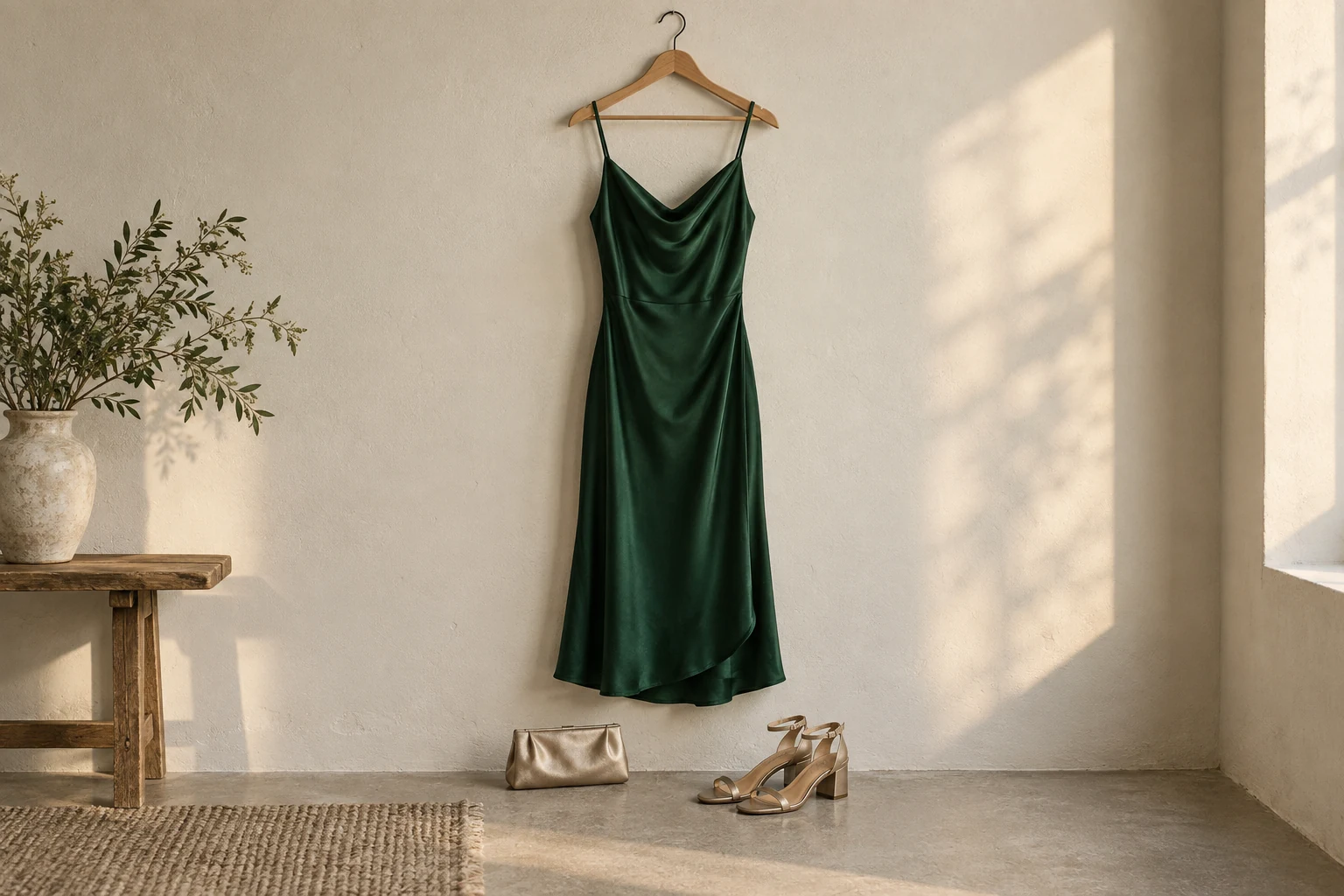
Cocktail attire for women: what to wear
What cocktail attire means for women: dress lengths, fabrics, jumpsuits and tailored sets, shoes and bags, and how the invitation, venue and season change it.
Dress codes
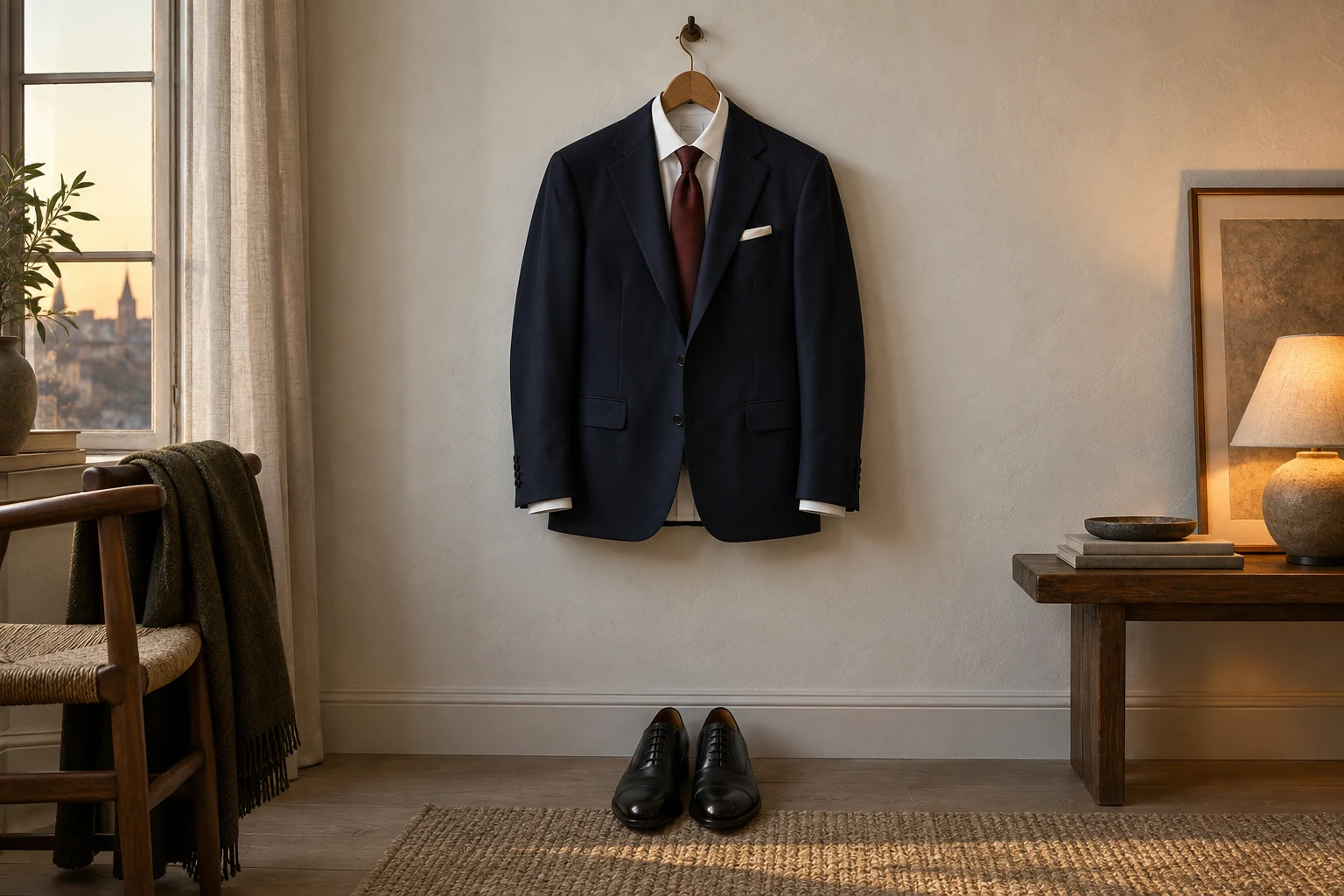
Cocktail attire for men: what to wear
What cocktail attire means for men: the dark suit, when a tie is optional, how time, season and venue change it, and what to wear to a cocktail attire wedding.
Dress codes
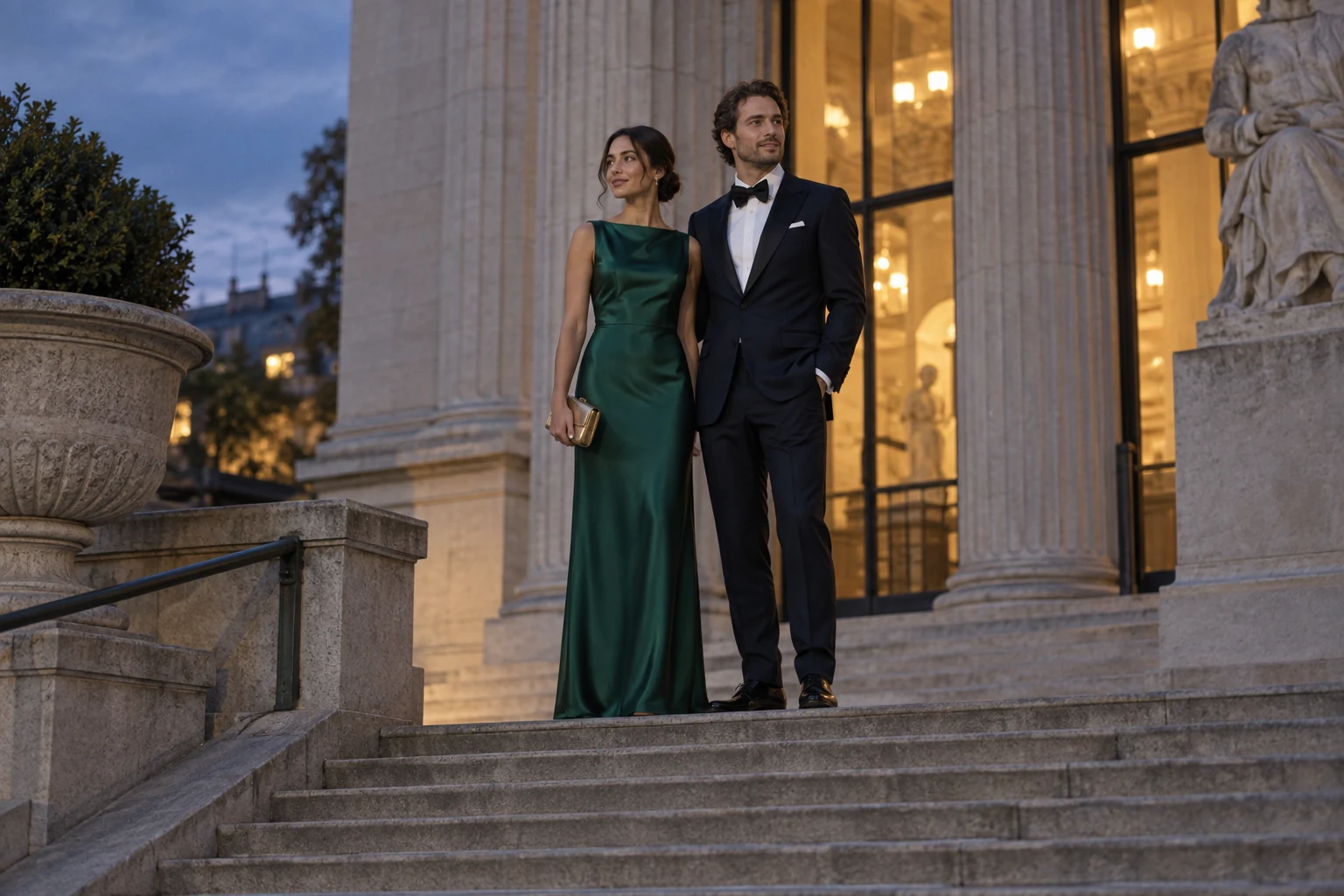
What to wear to a gala
Most galas are black tie or black tie optional. How to read the invitation, what women and men wear, whether a suit or trousers work, and what to avoid.
Dress codes
Black tie attire: what to wear, for men and women
Black tie attire explained: the tuxedo in detail, the shirt, bow tie and shoes, plus gowns and elegant alternatives for women and black tie weddings.
Dress codes
What to wear to a concert
Concerts have no dress code, but hours standing, crowd heat and bag rules do. What to wear to a stadium, club, lawn or symphony concert, for any age.