90s fashion: the looks that defined the decade
In this guide
Loose jeans, slip dresses and chunky sneakers fill shop windows again, and anyone dressing for a 90s party will recognize every one of them. Before you copy them, it helps to know that 90s fashion was not one look. It was several quite different ones, and each can be worn today in a way that looks current rather than like a costume.
This guide walks through the main looks of the decade, how they were put together for women and men, and how to recreate them with clothes you probably already own.
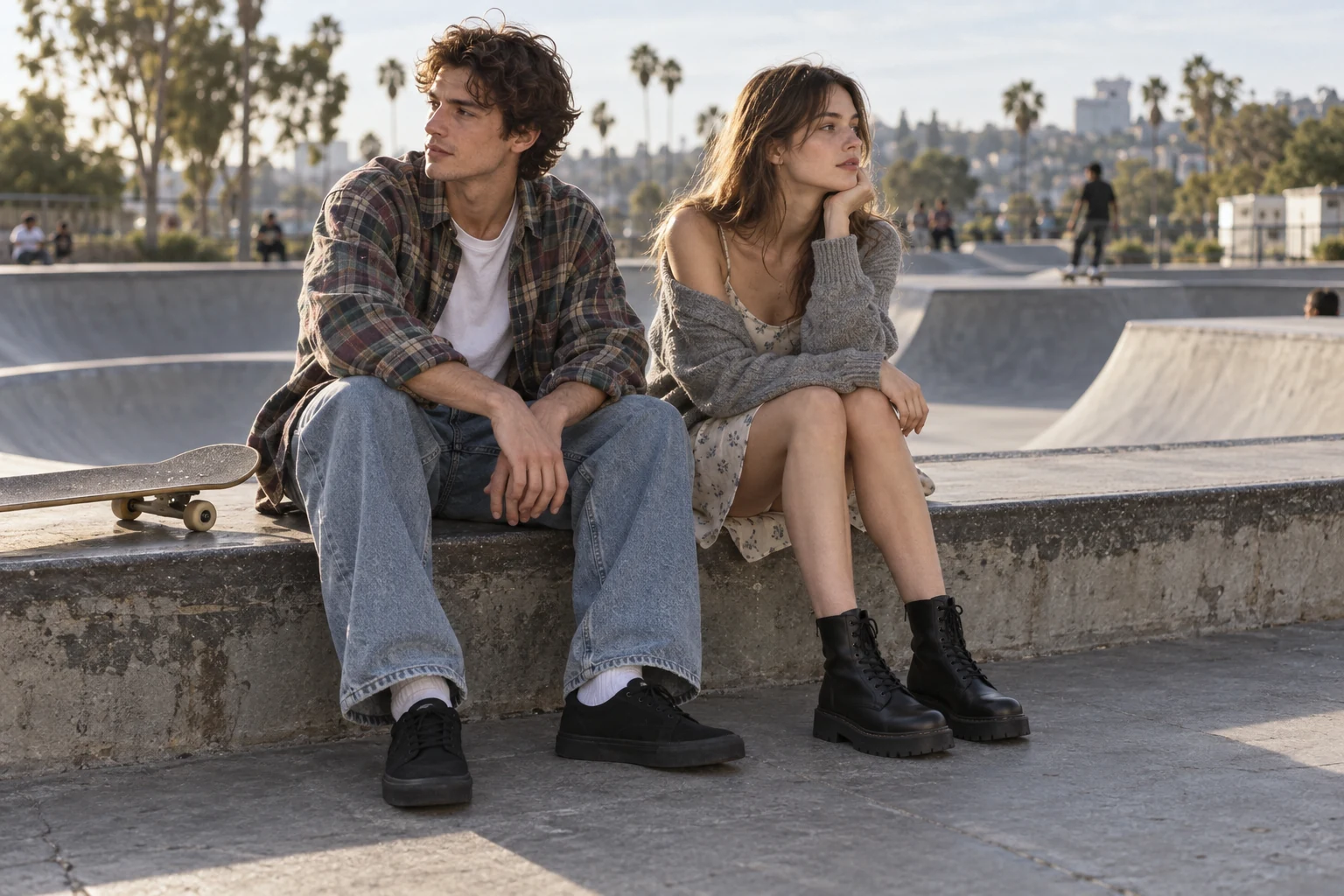
What defined 90s fashion
The 1990s reacted against the big shoulders and bright excess of the 1980s. Clothes became more casual, simpler and looser. Basics such as hooded sweatshirts, cargo pants, T shirts and jeans became acceptable nearly everywhere, and relaxed dress spread into offices through casual Fridays. The decade opened with the supermodel era of Naomi Campbell, Cindy Crawford and Linda Evangelista, and by the middle years fashion photography had shifted to thinner, younger looking models such as Kate Moss in plainer settings.
Within that casual mood, several distinct styles ran side by side: grunge, minimalism, hip hop, a revived preppy look and, late in the decade, bohemian and 1970s influences. A convincing 90s outfit references one of them, because mixing them all tends to look like a party costume.
Grunge: flannel, ripped jeans and boots
Grunge came out of the Seattle music scene of the late 1980s and dominated the early 90s. Its uniform was baggy, worn out jeans, flannel shirts, band T shirts, thermal tops, cardigans and Doc Martens boots, much of it bought in thrift stores. Women wore floral slip dresses or baby doll dresses with heavy boots and a flannel shirt tied at the waist. Marc Jacobs put the look on the runway in his 1993 collection for Perry Ellis, and by the middle of the decade the trend had faded.
It remains the most wearable 90s look, because its pieces are plain, durable and easy to find secondhand. The modern version is simply cleaner: a flannel shirt that fits, jeans that are loose but not dragging on the floor, and boots in good repair. Our full guide to grunge style covers it in detail.
Minimalism and the slip dress
In the mid and late 90s, fashion turned spare. Designers such as Calvin Klein and Helmut Lang favored clean lines, neutral colors and little decoration. The slip dress, a bias cut satin dress with thin straps, became the signature piece, worn to formal events and also over a white T shirt in daytime. Straight or slightly flared trousers, fine knit tops, long skirts, simple black and camel coats and square toe shoes completed the look.
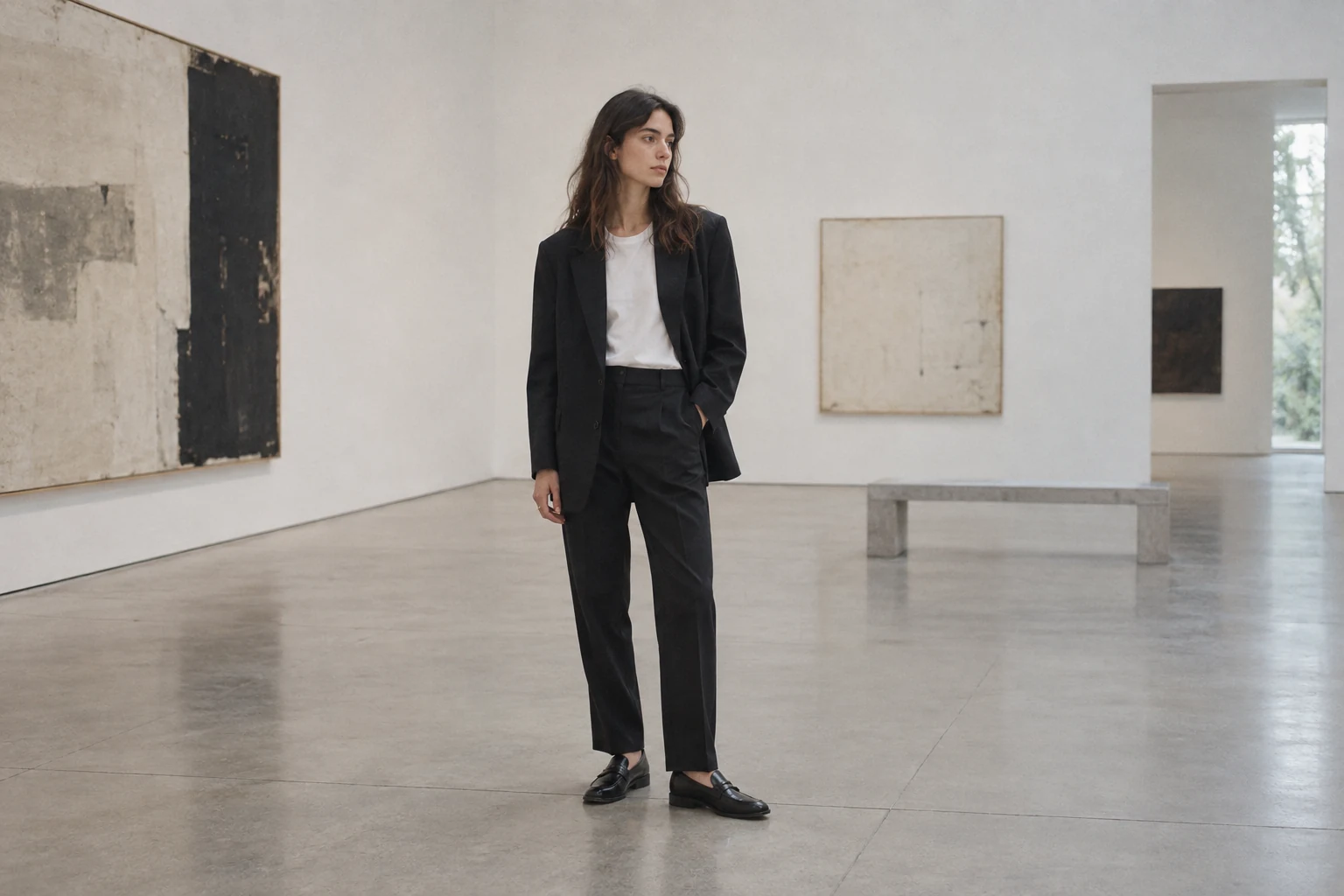
This is the easiest 90s look to wear to work today: a slip skirt with a fine sweater and loafers, or straight black trousers with a plain white tee and a long coat. It sits close to modern minimalist style, and it works because it depends on fit and fabric rather than on any obvious period detail. Silk satin slips need gentle care; our guide to washing silk explains how.
90s hip hop fashion
Hip hop fashion went mainstream around 1992 and shaped the decade's streetwear. The key pieces were oversized, wide leg jeans worn low, baggy khakis, tracksuits, hoodies, oversized varsity and bomber jackets, sports jerseys, baseball caps worn backward, gold chains, work boots and basketball sneakers. Heavily branded sportswear and labels founded by or aimed at the hip hop community were central, and big logos were part of the point.
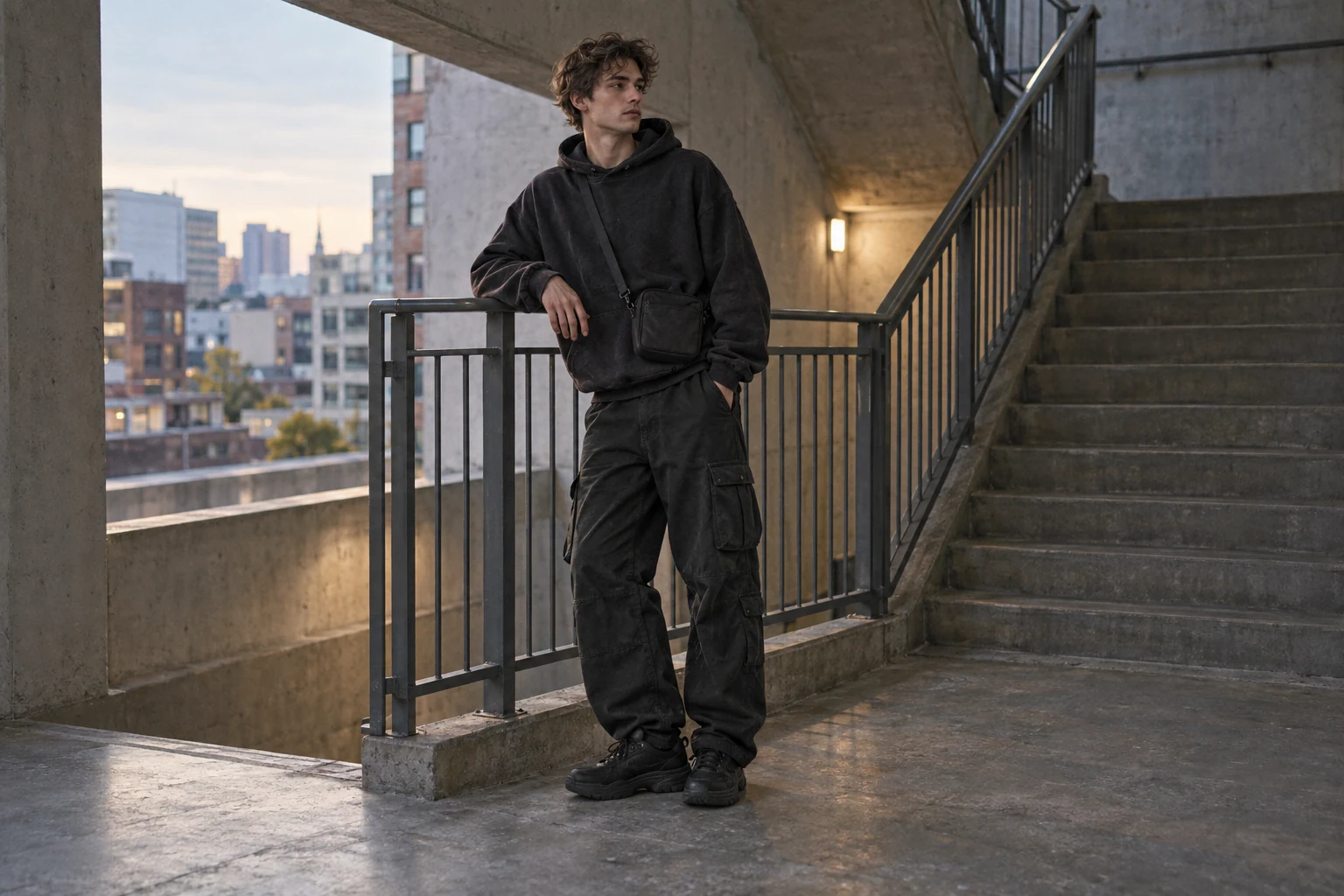
Women's 90s hip hop fashion paired crop tops or bodysuits with baggy jeans or overalls, bandanas, hoops, bucket hats and sneakers or boots. For a modern take, keep one oversized piece and balance it: baggy jeans with a fitted top, or a boxy jersey with slimmer trousers. Hip hop's influence runs straight into today's streetwear.
| Look | Key pieces | How to wear it now |
|---|---|---|
| Grunge | Flannel shirts, baggy worn jeans, band tees, cardigans, heavy boots | A flannel that fits, loose jeans that clear the floor, boots in good repair |
| Minimalism | Satin slip dress, straight trousers, fine knits, long black or camel coats | Slip skirt with a fine sweater and loafers, or black trousers with a white tee |
| Hip hop | Wide leg jeans, tracksuits, hoodies, jerseys, caps, work boots, basketball sneakers | Keep one oversized piece and balance it with something fitted |
Pick one look per outfit; mixing all three at once tends to read as a party costume.
90s fashion for women: other looks worth knowing
Film and television added their own looks. Clueless (1995) made the matching plaid skirt suit, knee socks and platform shoes famous, and the schoolgirl look of plaid miniskirts, baby doll tees and knee highs ran through the middle of the decade. Sitcom style gave the world high waisted mom jeans with a tucked in tee, oversized blazers and chunky sweaters. Late in the decade, spaghetti strap tops, crop tops, dark stonewash jeans and platform sneakers pointed toward the 2000s.
Accessories often do the heavy lifting: a thin choker, small hoops, tiny oval sunglasses, claw clips, a scrunchie, a small shoulder bag or a mini backpack. One of these with high waisted straight jeans and a fitted top reads 90s without further effort.
90s fashion for men
Beyond grunge and hip hop, men's 90s fashion kept a lot of casual preppy: polo shirts, khakis, denim jackets, rugby shirts and crew neck sweaters. Britpop brought 1960s mod touches such as track jackets, bucket hats and slim polos, and late in the decade the film Swingers (1996) helped revive retro dressy casual with bowling shirts and slicked hair. Across all of it, fits were loose: roomy jeans, boxy tees and big flannel shirts worn open.
A reliable 90s outfit for men today is loose straight jeans, a plain or band T shirt under an open flannel or denim shirt, and chunky sneakers or boots. For a sportier take, try a track jacket or vintage windbreaker with relaxed jeans and a baseball cap.
How to dress 90s with normal clothes or for a party
Start with what you have. Straight or loose jeans, a plain white or gray T shirt, a flannel or denim shirt, a hoodie and simple sneakers or boots are in most closets, and together they already read as 90s casual. Adjust the proportions, a tucked tee with high waisted jeans or a loose shirt over a fitted top, and add a single accessory. That is how to dress 90s with normal clothes for work or a weekend.
For a 90s fashion party, pick one recognizable look and commit to it: grunge flannel and boots, a Clueless plaid set with knee socks, a slip dress over a T shirt, a baggy hip hop outfit with a backward cap, or a matching tracksuit. Borrow anything you lack from friends or a thrift shop, where 90s denim and flannel are still plentiful.
Questions people ask
What was the biggest trend of the 90s?
There was no single one, but grunge and the rise of casual dress defined the early years, while the slip dress and hip hop streetwear shaped the rest. If one item sums up the decade, it is probably loose jeans, which crossed every one of those styles.
What clothing was popular in the 90s?
Loose and high waisted jeans, flannel shirts, band and logo T shirts, slip dresses, plaid skirts, crop tops, cardigans, hoodies, tracksuits, overalls and oversized jackets were all common. On the feet, combat boots, chunky sneakers, platforms and work boots. Chokers, scrunchies, bucket hats and small backpacks were popular accessories.
How is 90s fashion different from 80s fashion?
The 80s went big and bright, with shoulder pads, neon and power suits. The 90s pulled back to loose, plain and often muted clothes. Our guide to 80s fashion covers the earlier decade.
Is 90s fashion still in style?
Many 90s pieces, including loose jeans, slip skirts and minimal basics, remain everyday staples rather than retro items. They look current when worn with modern proportions and without piling every period detail into one outfit.
Sources and further reading
References used for this guide. Each opens the original page in a new tab.
Keep reading
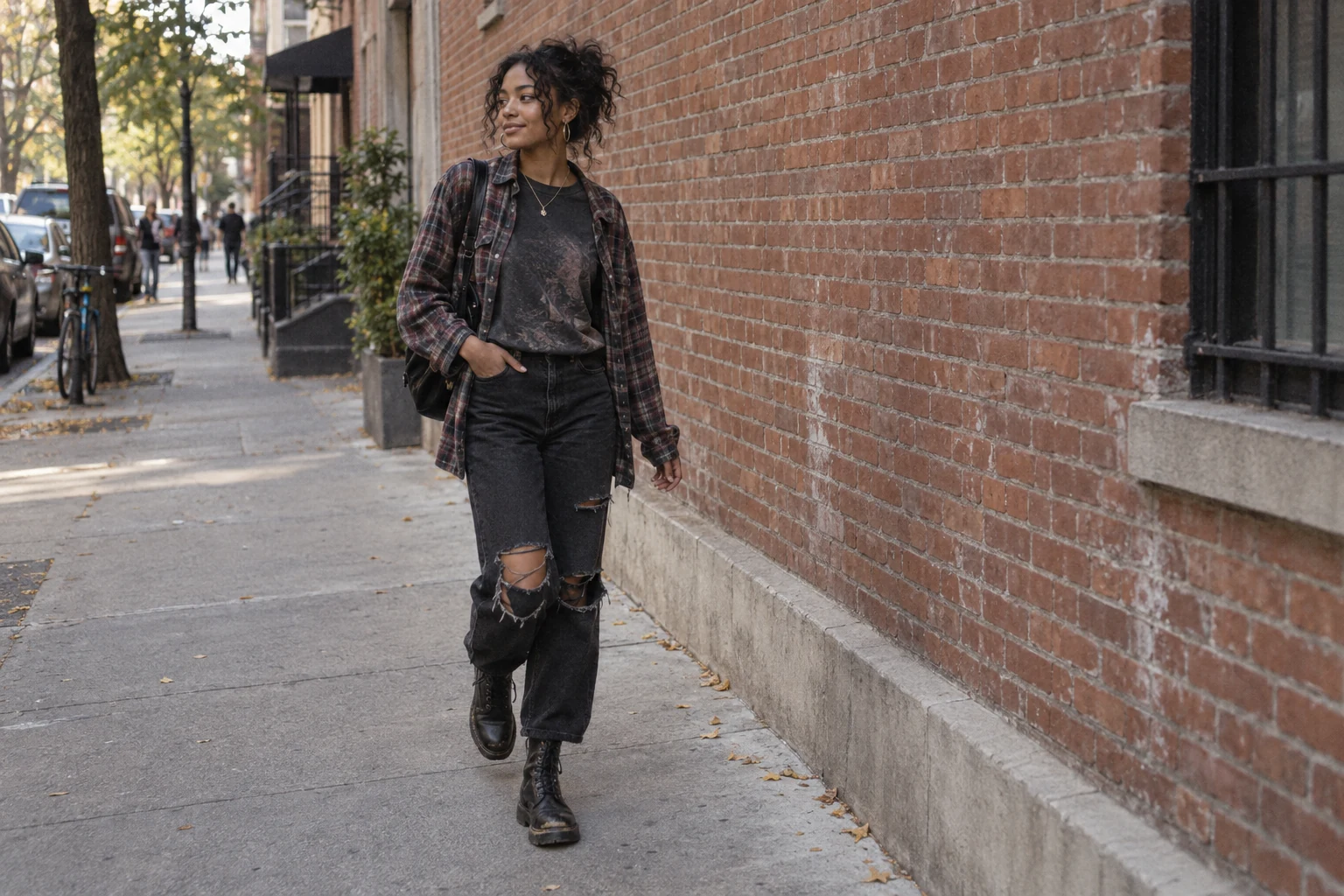
Styles
Grunge style: how to wear it without a costume
Where grunge style came from, the core clothes for men and women, and how to wear 90s grunge fashion today so it looks lived in, not like a costume.
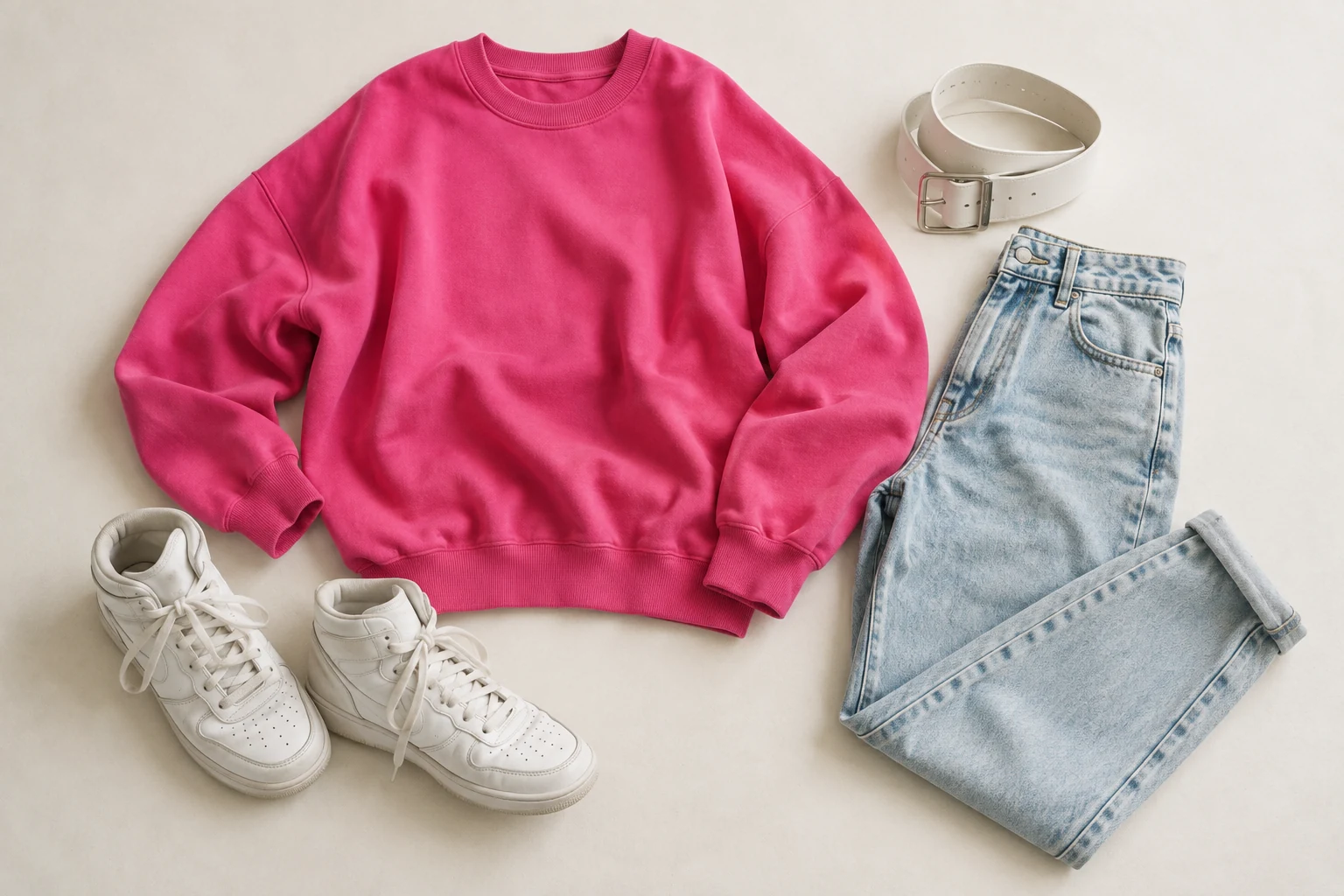
Styles
80s fashion: key looks for men and women
The key looks of 80s fashion for women and men, from power suits and aerobics wear to Miami Vice and hip hop, plus how to make an 80s outfit from normal clothes.
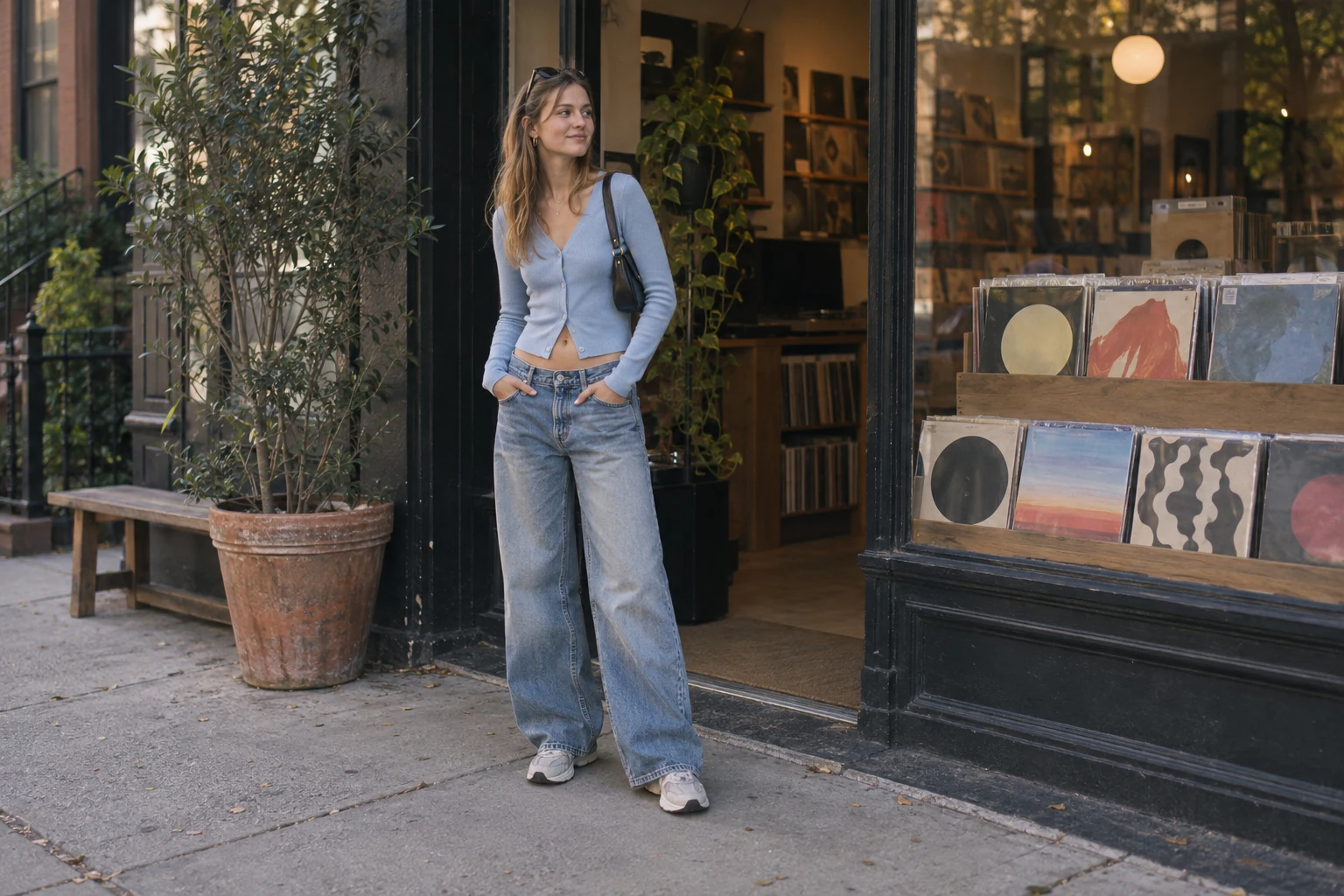
Styles
Y2K fashion: what defined it and how to wear it
What Y2K fashion is, the early 2000s trends that defined it for women and men, and how to wear Y2K outfits today, from everyday looks to a theme party.
Styles
Streetwear style: the pieces, proportions and outfits
What streetwear style is, where it came from, the core pieces and proportions, and streetwear outfits for men and women that look grown up, not like a costume.
Styles
Minimalist style: fewer pieces, better outfits
What minimalist style really is, where it came from, the pieces, colors and fabrics it relies on, and minimalist outfits for men and women that never look plain.