What to wear in 90 degree weather
In this guide
The forecast says 90°F, and you already know how the day will go: the car seat will burn, the walk from the train will feel twice as long, and anything tight or dark will be a regret by noon. Knowing what to wear in 90 degree weather is partly about looking decent and partly about keeping your body able to cool itself. Clothing can help or hinder that, and at this temperature the difference is noticeable within minutes.
This guide is written for real heat. For the more forgiving upper 70s and low 80s, our guide to 80 degree weather covers fabrics and outfits in a relaxed range. Here the focus is on how heat and humidity combine, why covering up can be cooler than stripping down, what to wear to an office or an outdoor job, and how to recognize when the clothes are no longer the problem.
Why 90 degrees is different
At 90°F the air is close to the temperature of your skin, so your body relies almost entirely on sweat evaporating to lose heat. Humidity decides how well that works. On the National Weather Service heat index chart, 90°F at 60 percent relative humidity already feels like about 100°F, and the weather service notes that its heat index values assume shade, so full sunshine can add up to 15°F more. A humid, sunny 90 degree afternoon can therefore put your body under the same strain as a dry day well above 100.
Dry heat behaves differently. In a desert city at 90 and low humidity, sweat evaporates almost as fast as you produce it, and the main threat is the sun itself. There, covering skin with loose, light fabric and wearing a hat matter most. In humid heat, the priority is fabric that dries quickly and lets air through, because sweat that cannot evaporate simply soaks the clothes and does little cooling.
Lightweight clothing for hot weather: fabric and fit
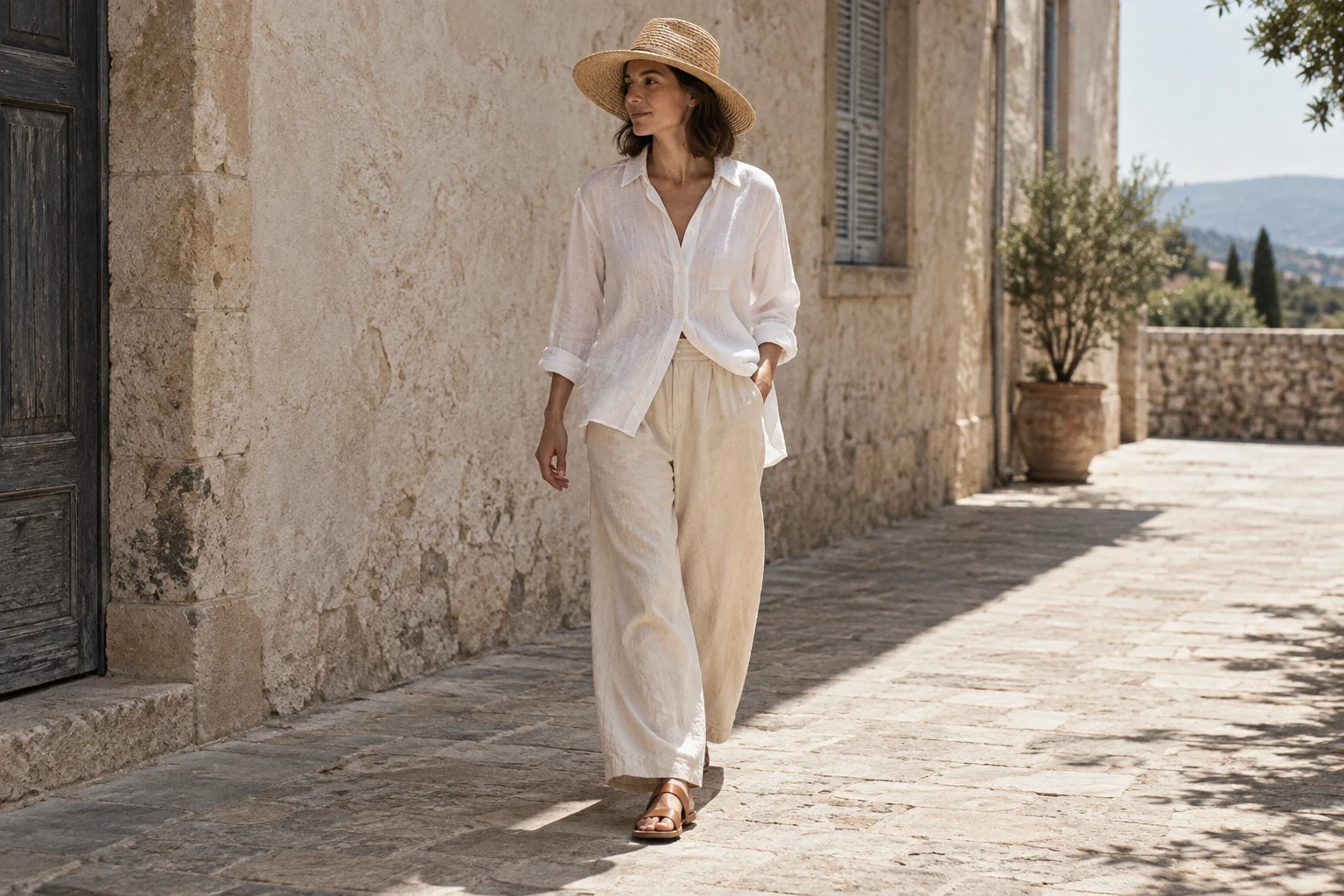
Texas A&M AgriLife's advice for hot weather comes down to three things: light colors, a loose fit that lets air circulate, and quick drying fabric. Loose is the most important of the three. A relaxed linen shirt that hangs away from the body creates a layer of moving air, while a fitted top in the same fiber sticks as soon as you sweat. Wide leg trousers, A line skirts, shift dresses and camp collar shirts are the silhouettes that work hardest in heat.
Which fiber depends on what you are doing. For sitting, walking and indoor work, linen, cotton voile, seersucker and lightweight chambray feel cool and look appropriate almost anywhere. For exercise, outdoor labor or anything that soaks you in sweat, AgriLife recommends moisture wicking synthetics such as polyester or nylon blends, or merino, because cotton and linen absorb sweat and stay wet. The same logic explains so called cooling shirts sold for work and sport: they are thin, wicking knits that spread sweat so it evaporates faster. They help most when you are sweating heavily and there is some air movement; on a still, humid day no fabric can make evaporation happen.
Heavy fabrics are where people suffer most. Thick denim, twill, fleece, dense knits and anything lined trap heat and hold moisture. If you are unsure, hold the fabric up to a window: if you can see light through the weave, it will breathe.
| Situation | Choose | Avoid |
|---|---|---|
| Humid heat | Loose fabric that dries quickly and lets air through | Anything fitted that sticks when you sweat |
| Dry heat and strong sun | Loose, light fabric covering skin, plus a hat | Bare shoulders in full sun |
| Sitting, walking, indoor work | Linen, cotton voile, seersucker, lightweight chambray | Thick denim, twill and lined pieces |
| Exercise or outdoor labor | Wicking polyester or nylon blends, or merino | Cotton and linen, which stay wet |
If you can see light through the weave when you hold it up to a window, it will breathe.
When covering up is cooler than bare skin
It sounds backward, but in strong sun a loose long sleeve shirt and full length trousers can feel cooler than a tank top and shorts. The fabric shades your skin from direct radiation, and if it is light, loose and thin, sweat still evaporates through it. This is why people in hot, dry climates have long worn flowing, covering garments, and why many outdoor workers choose long sleeves in summer.
Coverage also protects against sunburn, which makes heat feel worse and slows your body's cooling. The Skin Cancer Foundation notes that loose clothing blocks UV better than tight clothing, that darker and brighter colors absorb more UV than pastels, and that a plain white T shirt offers a UPF of only about 5. For a long day outside, a shirt with a UPF label, a hat with a brim of at least 3 inches (about 8 cm) and sunglasses do more than any fabric trick. For a quick errand, a light, loose short sleeve top is fine.
What to wear in 90 degree weather, men and women
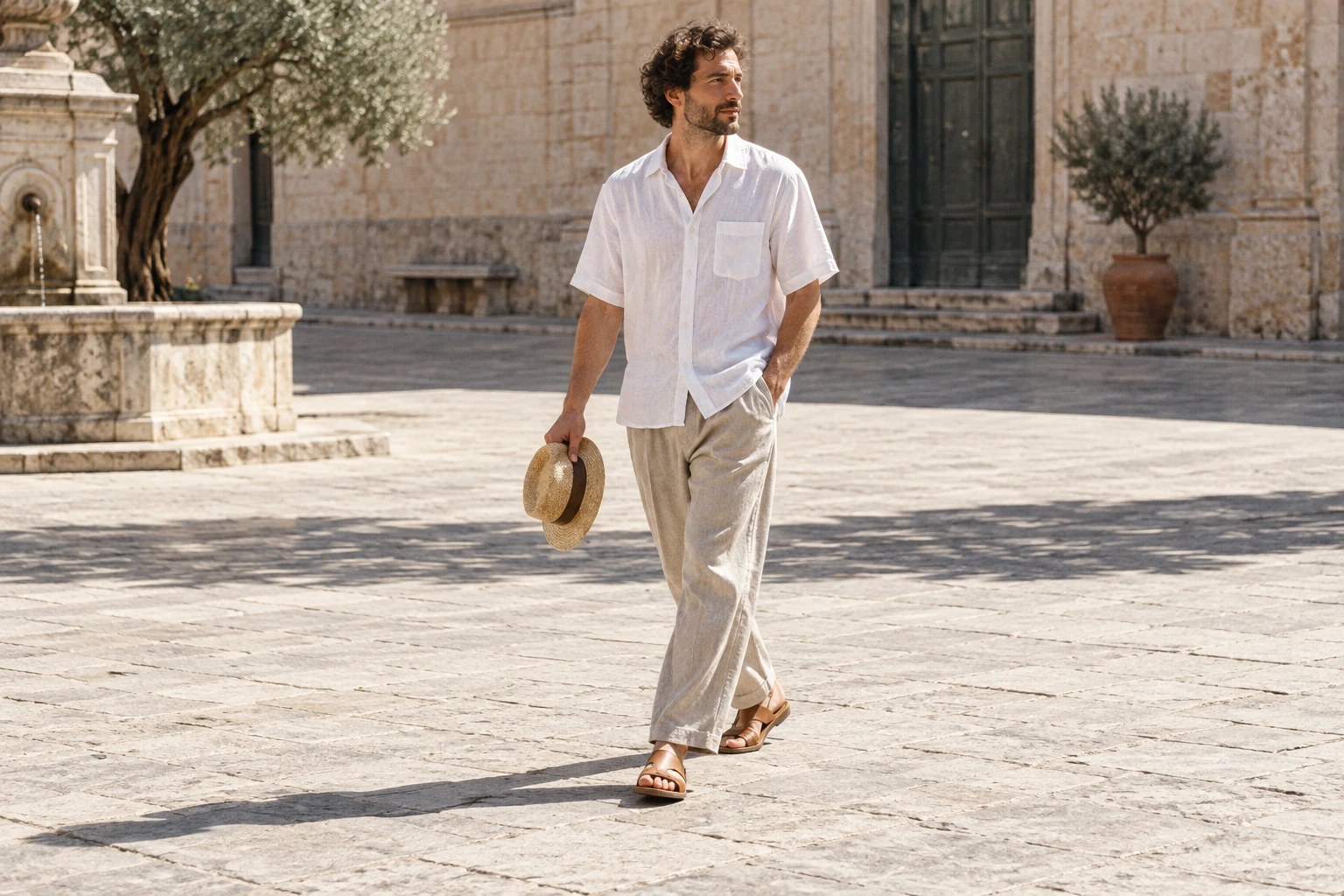
For casual days, men can wear loose linen or cotton shorts that end just above the knee with a short sleeve camp collar or linen shirt worn untucked, and leather sandals or breathable canvas shoes. A lightweight cotton or linen blend button down with the sleeves rolled covers more skin and looks sharper than a T shirt, which clings once it is damp. Tank tops are fine at the beach or pool; on a city street in full sun they leave shoulders exposed to burning.
Women can wear a loose cotton or linen midi dress, a sleeveless shift, wide leg linen trousers with a camisole or a loose shirt, or a flowing skirt with a sleeveless blouse. Longer, fuller skirts are often cooler than short, fitted ones because air moves underneath, and bike shorts or anti chafe balm under a dress prevent the thighs rubbing when you walk. A wide brimmed straw hat and a thin cotton scarf for the shoulders make an easy way to shade skin without adding heat.
Can you wear jeans in 90 degree weather? You can, but it is rarely comfortable in sun or humidity. If denim is your uniform, choose a light, loose pair and keep it for evenings or air conditioned days.
Office and outdoor work in extreme heat
Offices rarely relax the dress code for a heat wave, so the aim is to look as usual while wearing the lightest version of it. Men can choose tropical wool or cotton trousers, a short sleeve or lightweight long sleeve shirt in poplin or oxford, and unlined loafers, and carry a jacket rather than wear it on the commute. Women can wear a linen blend shift dress, cropped wide leg trousers with a sleeveless shell, or a cotton midi skirt with a short sleeve knit. Our guides to business casual for men and women cover where the line sits in most offices. Pack a spare shirt or top if the commute is long, and change on arrival.
For outdoor work and long days in the sun, practicality comes first. A loose, light colored long sleeve work shirt in a wicking or thin cotton fabric, lightweight work trousers, a wide brimmed hat or a hard hat with a neck shade, and wicking socks inside well ventilated boots are the usual kit. Follow any protective equipment your job requires, even when it is uncomfortable, and use the breaks, shade and water your employer provides. Clothing reduces heat stress; it does not remove it.
Shoes, sweat and the small things
Hot pavement and swollen feet make shoes matter more than usual. Choose leather sandals with a cushioned sole, espadrilles or canvas sneakers with thin wicking socks, and avoid synthetic uppers that trap sweat. Dark leather left in the sun gets surprisingly hot, and flip flops are fine for the pool but tiring for a long walk on hot sidewalks.
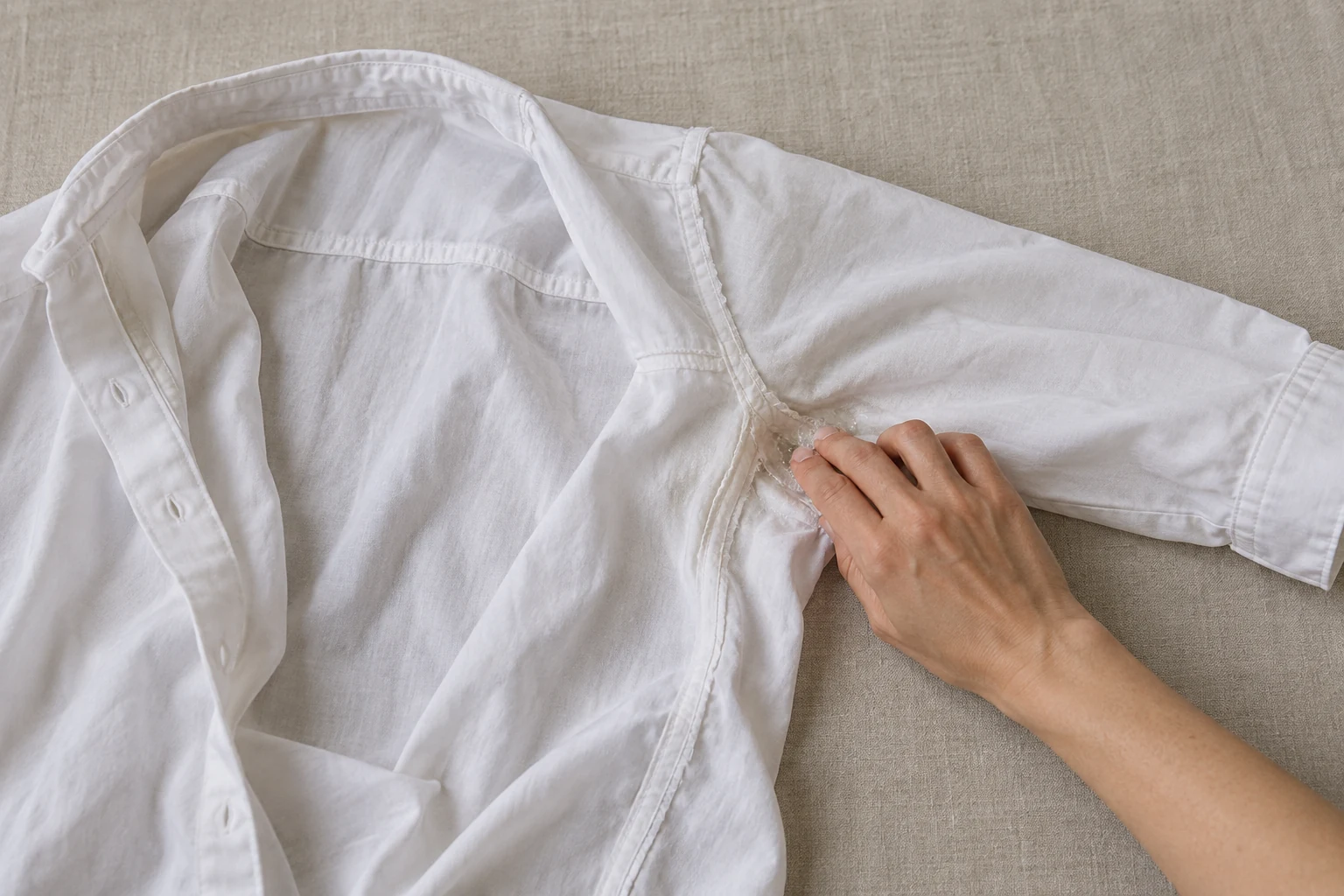
Sweat also changes how clothes look by the end of the day. Mid tones, prints and textured fabrics such as seersucker hide damp patches, while pale gray jersey and fitted silk show them clearly. Wash hot weather clothes after each wear so sweat and antiperspirant do not build up in the fibers, and see our guide to removing deodorant and sweat stains for marks that have already yellowed.
Know the signs that heat is getting to you
No outfit makes heat safe on its own. The CDC lists heavy sweating, muscle cramps, dizziness, headache, weakness, nausea and shortness of breath as signs the body is overheating. If you notice them, move to shade or air conditioning, loosen or remove extra clothing, sip water and cool your skin with a damp cloth. Confusion, fainting, slurred speech or hot, red skin with a very high body temperature point to heat stroke, which is a medical emergency: call 911. On days when the heat index climbs past 100, plan outdoor time for early morning or evening and dress for the shade you can find, not just for the sun.
Common mistakes
Wearing the tightest, shortest thing you own
Tight clothes stop air moving and stick as soon as you sweat, and bare shoulders burn quickly. A loose, light layer over the skin is usually cooler and safer in full sun.
Choosing cotton for a workout in the heat
Cotton soaks up sweat and stays heavy and wet. For running, hiking or outdoor work, wear wicking synthetics or merino and change out of damp clothes afterward.
Questions people ask
Is it better to wear light or dark colors in 90 degree heat?
Light colors reflect more of the sun's heat and feel cooler in direct sun, which is why hot weather guides recommend them. Darker and brighter colors block more UV, so for long hours outdoors, a light colored garment with a UPF rating gives you both. In shade, color matters much less than fit and fabric.
Why do some people wear hoodies or long sleeves in 90 degree weather?
Some are protecting their skin from the sun, especially outdoor workers, athletes and people with sun sensitive skin. Others spend most of the day in cold air conditioned buildings. A thin, loose long sleeve layer can work in heat; a thick cotton hoodie in the sun is simply hot.
What should I wear in 100 degree weather?
The same principles apply with less margin: the loosest, lightest fabrics you own, full sun protection, and as little time as possible in direct sun during the hottest hours. Carry water, plan shade, and take the heat warning signs seriously. In dry desert heat, loose long sleeves and a wide hat are often the most comfortable choice.
Is 90 degrees Fahrenheit the same as 30 degrees Celsius?
Close. Ninety degrees Fahrenheit is about 32°C, and 30°C is about 86°F. Both are hot days, and the advice in this guide applies to either. For the opposite end of the scale, our guide to 30 degree Fahrenheit weather covers freezing days.
Sources and further reading
References used for this guide. Each opens the original page in a new tab.
- National Weather Service: Heat forecast tools and the heat index Opens in a new tab
- Texas A&M AgriLife Extension, Howdy Health: What to wear in hot weather Opens in a new tab
- The Skin Cancer Foundation: Five things that affect how well your clothes block UV rays Opens in a new tab
- CDC: About heat and your health Opens in a new tab
Keep reading
Weather
What to wear in 80 degree weather
At 80°F summer clothes take over, but work, humidity and cold air conditioning still shape the outfit. Fabrics, fits, shoes and outfits for men and women.
Weather
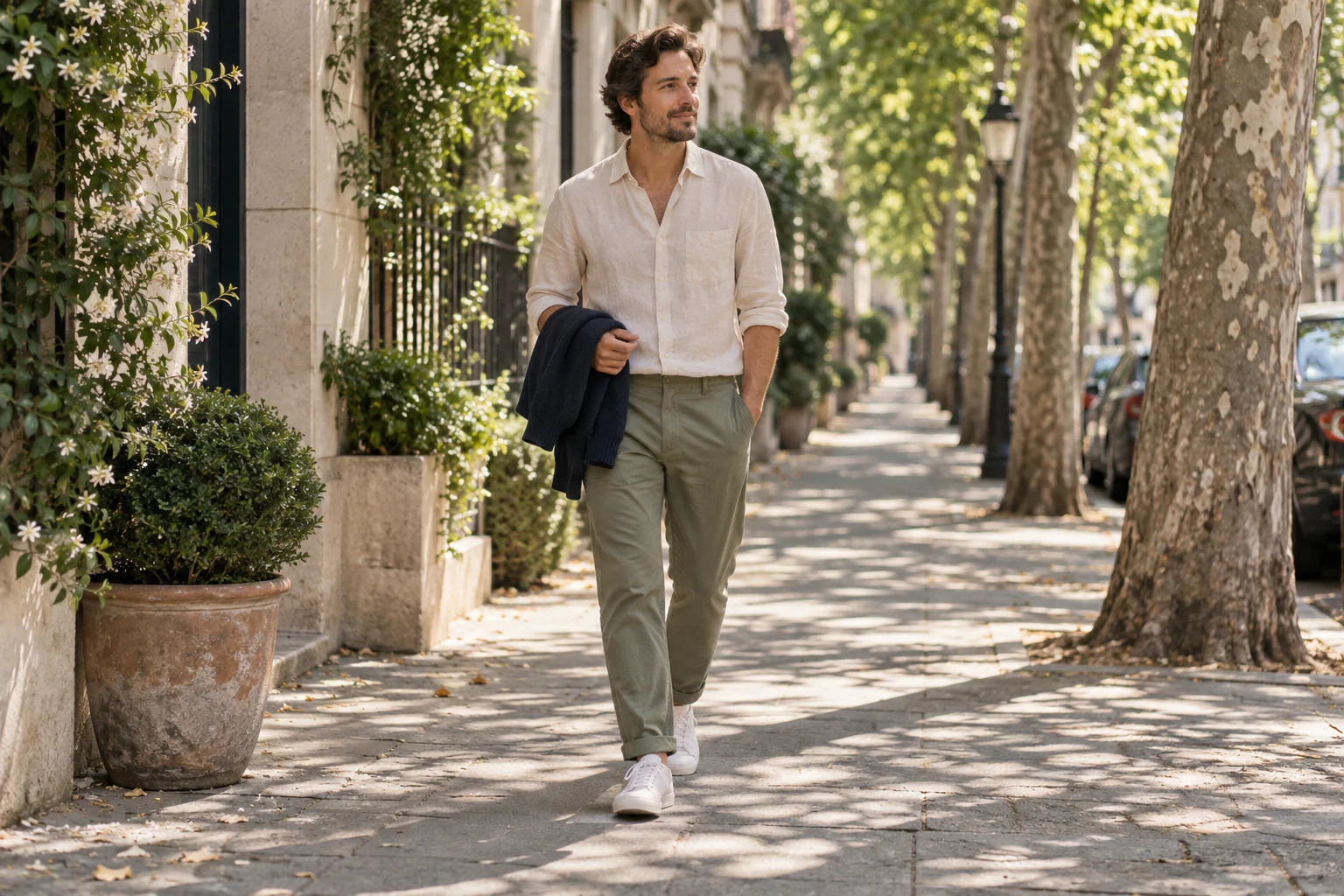
What to wear in 70 degree weather
70°F sounds perfect until the sun, humidity or office air conditioning get involved. Fabrics, shoes and outfits for men and women that stay comfortable.
Fabrics
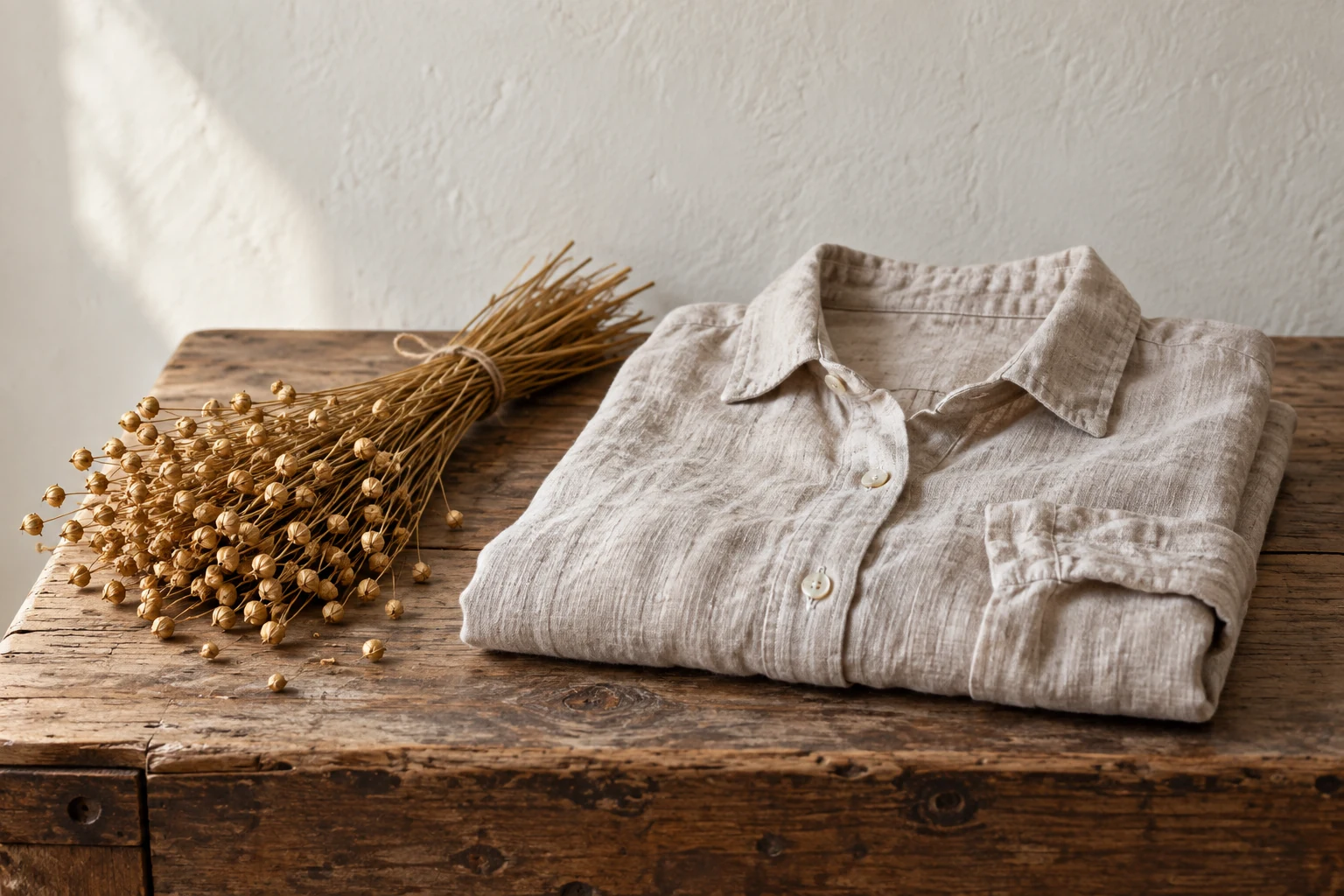
What is linen, and why does it wrinkle?
What linen is made of, how flax becomes fabric, why linen wrinkles, how it compares with cotton, and how to wear and care for linen clothes and sheets.
Stain removal
How to remove deodorant and sweat stains
Remove deodorant stains from black shirts, lift yellow sweat stains from white clothes, and prevent armpit stains from building up in the first place.
Washing and ironing
How to wash workout clothes and remove odor
How to wash workout clothes so the smell actually leaves: what to do right after training, water temperature, detergent, soaking, drying and when to deep clean.