Streetwear style: the pieces, proportions and outfits
In this guide
Why does a T shirt and cargo pants look intentional in one streetwear photo and like laundry day in the next? The same question comes up when a favorite hoodie and a carefully kept pair of sneakers seem not to belong with anything else in the closet. Streetwear style answers it: ordinary casual pieces, chosen and proportioned with care.
This guide covers where the style came from, the handful of pieces it is built on, how the proportions work, and concrete outfits for men and women. It also covers the part most guides skip, which is how to wear streetwear as an adult with a job and a budget, starting from clothes you already own, without buying into every release.
What streetwear style is and where it came from
Streetwear grew out of several scenes at once. In New York, hip hop culture of the late 1970s and 1980s, largely built by African American and Latino communities, made tracksuits, sneakers, gold jewelry and bucket hats into a uniform with its own rules. In California, surfboard shaper Shawn Stussy began printing his signature on T shirts in the 1980s and deliberately kept supply short, which set up the idea that a simple printed tee could be scarce and wanted. Skateboarding added loose jeans, sturdy shoes and a do it yourself attitude.
In the 1990s those threads came together. Rap labels sold branded merchandise, artists launched their own clothing lines, and in April 1994 James Jebbia opened Supreme on Lafayette Street in Manhattan as a skate shop with racks around the walls so skaters could roll in. Supreme later made the weekly drop, small batches released on a fixed day, the standard model for the whole category. Japanese labels such as A Bathing Ape spread the style through Tokyo, and by 2017 Supreme was collaborating with Louis Vuitton. That journey from skate shop to luxury runway explains why streetwear today ranges from a plain gray hoodie to a very expensive one.
The core pieces of a streetwear wardrobe
Nearly every streetwear outfit is built from the same short list. On top: heavyweight T shirts, plain or with a graphic, hoodies and crewneck sweatshirts, overshirts, and outerwear such as coach jackets, varsity jackets, workwear jackets, puffers and fleeces. On the bottom: relaxed or straight jeans, cargo pants, work trousers, sweatpants with a clean cuff, and in summer, long shorts. Our tour of jean cuts is useful here, because a relaxed straight leg is the most forgiving starting point.
Sneakers are the anchor. Low top basketball and court shoes, runners and chunky skate shoes all work, and a clean pair does more for an outfit than any logo; our guide to cleaning white sneakers will keep them that way. Accessories are simple: a cap or beanie, a crossbody bag, white or black socks that show, and perhaps a chain or a bandana. Fabric matters more than people expect. A thick cotton jersey tee holds its shape and hangs straight, while a thin one clings and twists after a few washes, which is why streetwear fans talk about fabric weight.
Proportions: how the streetwear silhouette works
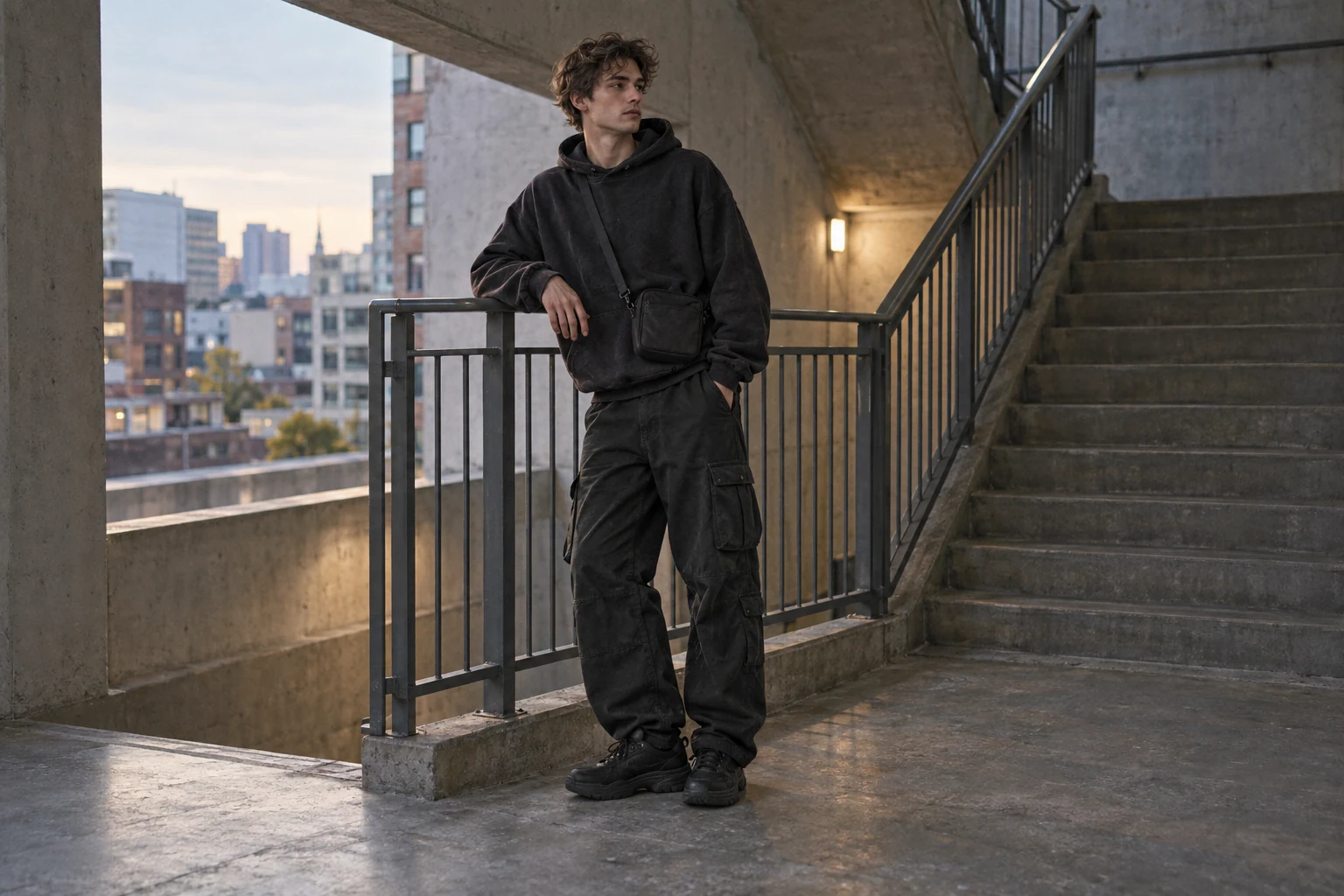
The streetwear aesthetic is mostly about volume. Tops are often boxy and slightly cropped, with dropped shoulders, while pants are relaxed through the leg and either stack a little on the sneaker or are cropped to show the sock. The easiest rule is to choose where the volume goes. A boxy tee over wide cargos gives a big, deliberate shape; the same tee over straight jeans reads calmer; a fitted tee with baggy pants throws attention downward. What rarely works is clothes that are simply too big in the wrong places, like shoulder seams halfway to the elbow on a tee that is also too long.
Length does a lot of quiet work. A hoodie that ends at the hip looks sharper than one that reaches mid thigh, and pants that pool heavily over the shoe hide the sneakers that are meant to finish the outfit. If you like a stacked hem, keep it to one or two soft folds; if you prefer a clean break, see how to cuff jeans for a neat roll that shows the shoe. Color can stay restrained: black, white, gray, navy, olive and washed earth tones, with one stronger color or graphic at a time.
Streetwear outfits for men
A dependable everyday formula for streetwear style male wardrobes is a heavyweight white or gray T shirt, relaxed dark jeans, low top sneakers and a cap. In cooler weather, add a hoodie under a coach jacket or a workwear jacket, keeping the hood outside the collar so the layers read clearly. A second formula swaps jeans for olive or black cargo pants and pairs them with a black hoodie and chunky runners; it looks more technical and sits close to techwear and gorpcore if you add a shell jacket.
For something smarter, like dinner or an office that allows it, try a plain crewneck sweatshirt over a collared shirt, straight trousers in a sturdy cotton, and clean leather or suede sneakers. This is where urban clothing for men meets ordinary menswear, and it is the version that ages best. In summer, a boxy short sleeve shirt with a bold print, long shorts that end at or just above the knee, and simple socks with runners keeps the look without the heat.
Streetwear outfits for women
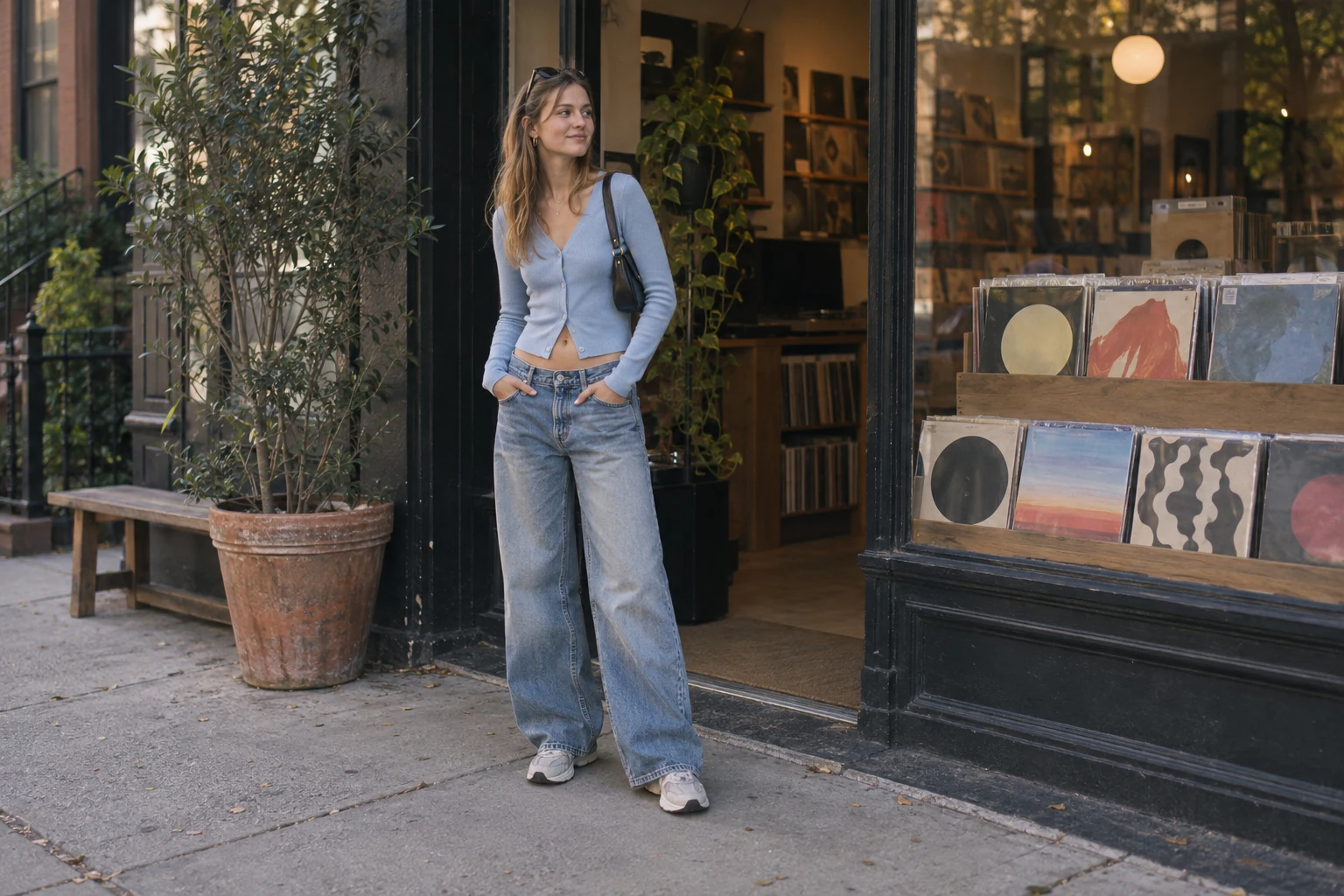
Streetwear for women uses the same pieces with more room to play with proportion. A cropped hoodie or fitted baby tee with wide cargo pants and platform sneakers is the classic contrast of small top and big bottom. The reverse also works: an oversized hoodie or men's graphic tee with bike shorts, leggings or a short skirt, finished with chunky sneakers and crew socks. Either way, one element is loose and one is close, so the outfit has a shape.
For cooler days, layer a long puffer or a varsity jacket over a simple tee and relaxed jeans, or wear a zip hoodie under a longer wool coat for a mix of street and city. Streetwear clothes for women often borrow from sportswear, so track pants with a fitted top, a tank with a bomber, or a slip skirt with a hoodie and sneakers all sit comfortably inside the style. The common thread is comfort you can move in, which is why the style works so well for long days on foot, shows and travel.
| Formula | Top | Bottom and shoes |
|---|---|---|
| Everyday | Heavyweight white or gray tee, cap | Relaxed dark jeans, low top sneakers |
| Technical | Black hoodie, shell jacket optional | Olive or black cargos, chunky runners |
| Smarter | Crewneck sweatshirt over a collared shirt | Straight cotton trousers, leather or suede sneakers |
| Summer | Boxy short sleeve printed shirt | Long shorts at the knee, socks and runners |
| Small top, big bottom | Cropped hoodie or fitted baby tee | Wide cargos, platform sneakers |
| Big top, small bottom | Oversized hoodie or graphic tee | Bike shorts or a short skirt, chunky sneakers, crew socks |
How to wear streetwear without looking like a costume
Streetwear goes wrong when every piece shouts at once: a huge logo tee, a printed hoodie, graphic pants and a statement sneaker, all from the same few brands. Pick one piece to carry the attention and let everything else be plain and well made. A single good graphic on a quiet base looks confident; four at once looks like a shop window.
The second adult move is care. Streetwear is casual, so the difference between intentional and sloppy is condition. Tees without stretched collars, hoodies without pilling, sneakers wiped down, caps that keep their shape. Our guide to washing a baseball cap helps with the last one, and a dryer on low or a drying rack will keep heavyweight cotton from shrinking out of its boxy fit. Finally, do not let hype set your budget. Drops and resale prices are part of the culture, but the style itself was born in thrift stores, skate shops and hand me downs.
Start from what you already own
Most people already have half a streetwear wardrobe. Pull out every hoodie, sweatshirt, T shirt, pair of jeans, cargo or work pant and sneaker you own, and try them on together in front of a mirror. Look for one combination where the top and bottom proportions feel deliberate, and note what is missing: often it is a single relaxed pant, one heavier plain tee, or a clean pair of low top sneakers. Buying those two or three pieces first will make dozens of outfits possible.
From there, add one outer layer that fits your climate and one accessory you actually like, whether a cap, a beanie or a small bag. If you are unsure what you are drawn to, our guide to finding your personal style walks through noticing what you already reach for. Streetwear rewards repetition, so a small set of pieces you wear constantly will look more like you than a closet full of drops.
Common mistakes
Sizing up everything
Oversized is a proportion, not a size rule. If the shoulder seams, sleeve length and body length are all far past your frame, the clothes look borrowed. Go one size up in tops at most, or buy pieces cut boxy in your own size.
Letting sneakers go gray
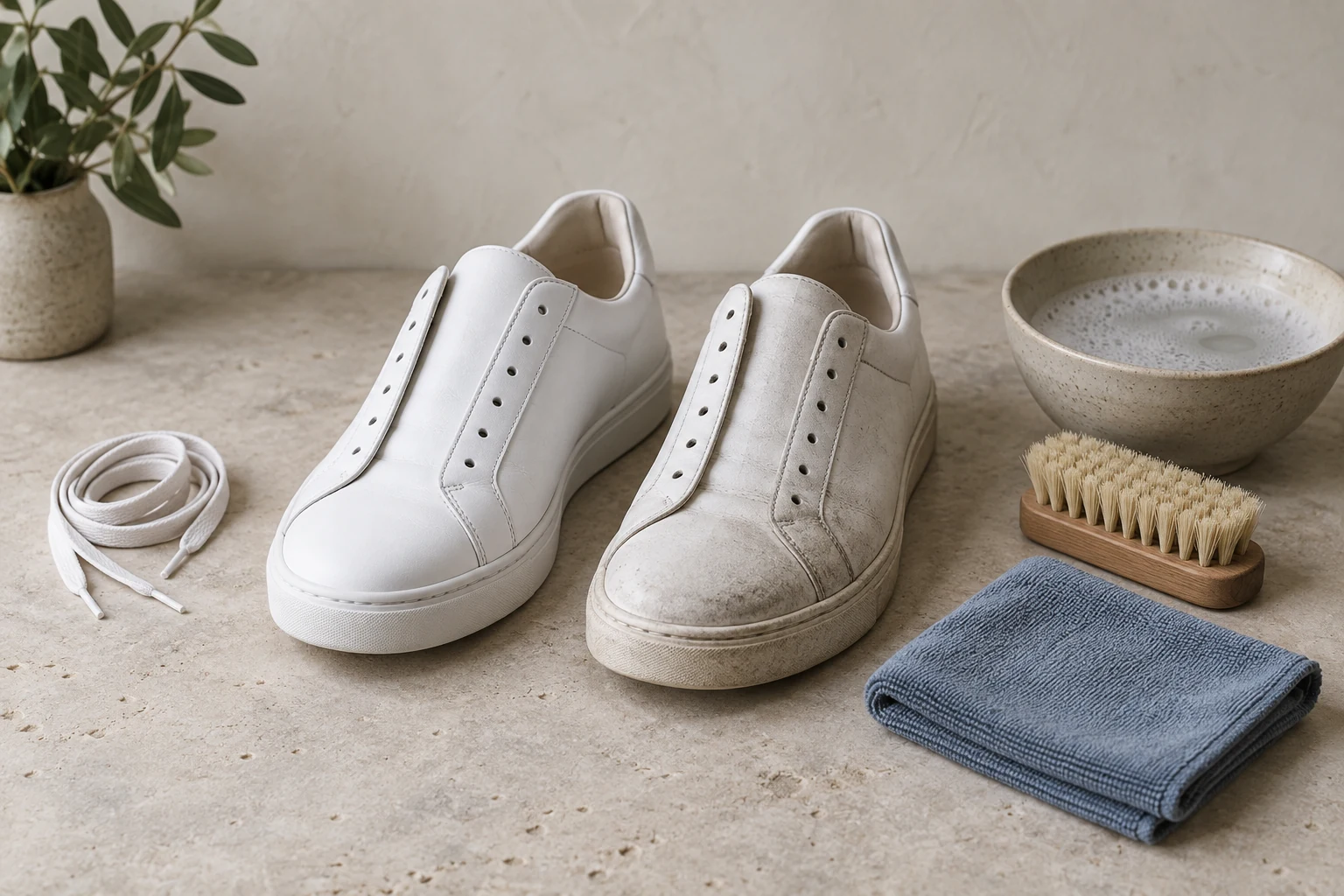
Streetwear outfits end at the shoe, and a scuffed, yellowed pair drags the whole look down. Wipe them after wear, clean them properly every few weeks and rotate pairs so the foam can dry out.
Stacking logos
Several competing logos make an outfit read as advertising. Keep one branded or graphic piece per outfit and let the rest be plain.
Questions people ask
What is Gen Z style called?
There is no single name. Much of what gets called Gen Z style is a mix of streetwear, Y2K revival and internet aesthetics such as gorpcore, with baggy jeans, cropped tops, chunky sneakers and thrifted pieces. Our guide to Y2K fashion covers the early 2000s side of that mix.
What is trending in streetwear right now?
Trends move quickly, but the durable direction in recent years has been relaxed and wide pants, heavyweight plain basics, workwear and outdoor pieces, and quieter branding. Rather than chasing each trend, choose one new piece a season that works with the basics you already have.
Do you need expensive brands to dress streetwear?
No. The style began with thrifted, skate shop and sportswear pieces, and a plain heavyweight tee, relaxed jeans and clean sneakers carry most outfits. Spend where you notice the difference most, usually shoes and one good jacket, and buy the rest secondhand or plain.
Can you wear streetwear to work?
In many casual and creative offices, yes, if you keep it clean and quiet: a plain crewneck over a collared shirt, straight trousers or dark jeans, and leather sneakers. Skip loud graphics, sweatpants and anything worn out, and follow your workplace's own dress code where it is stricter.
Sources and further reading
References used for this guide. Each opens the original page in a new tab.
Keep reading
Styles
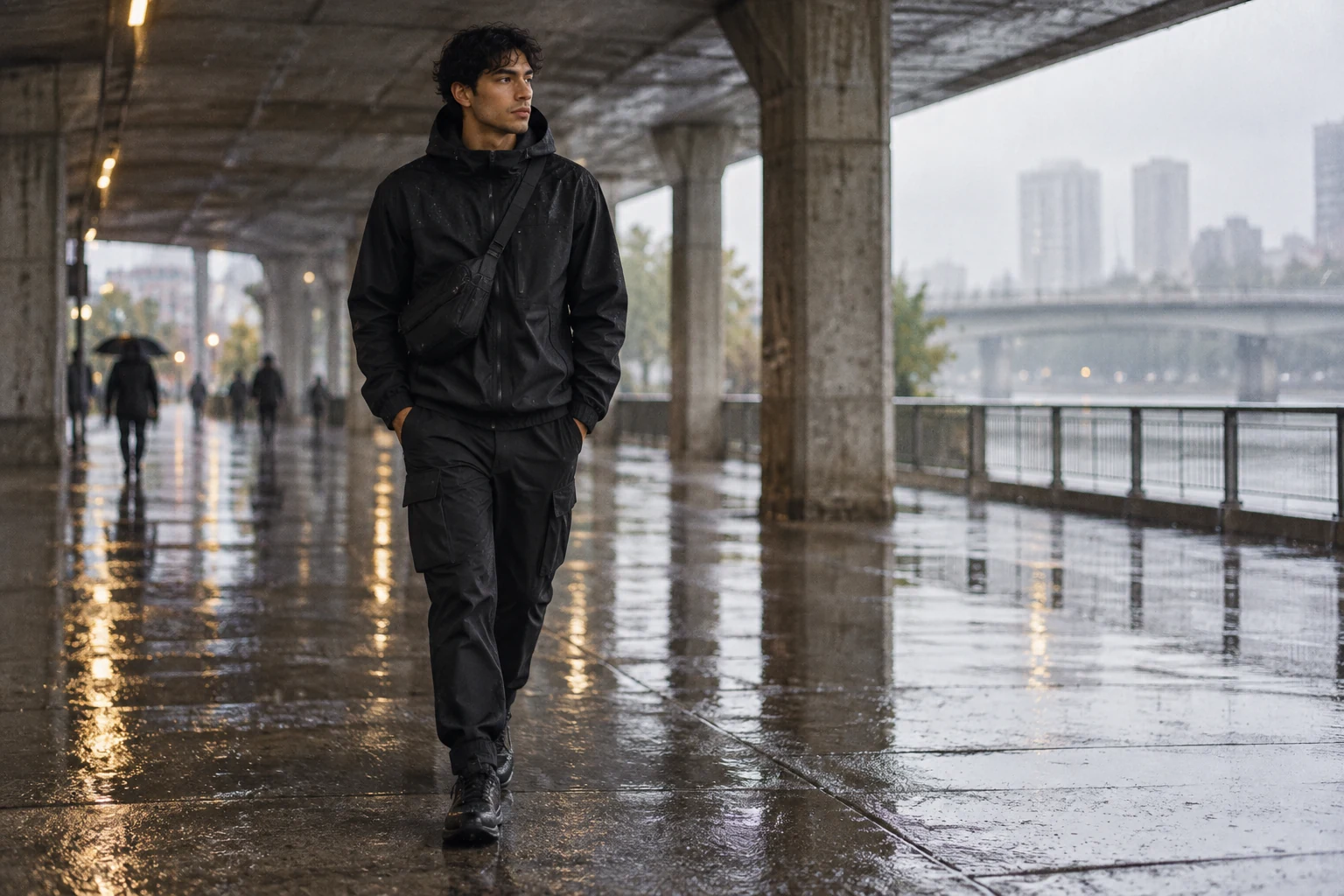
Techwear: functional clothing as everyday style
What techwear is, the fabrics that make it work, the core jackets and pants, techwear outfits for men and women, and how to tell real function from costume.
Styles
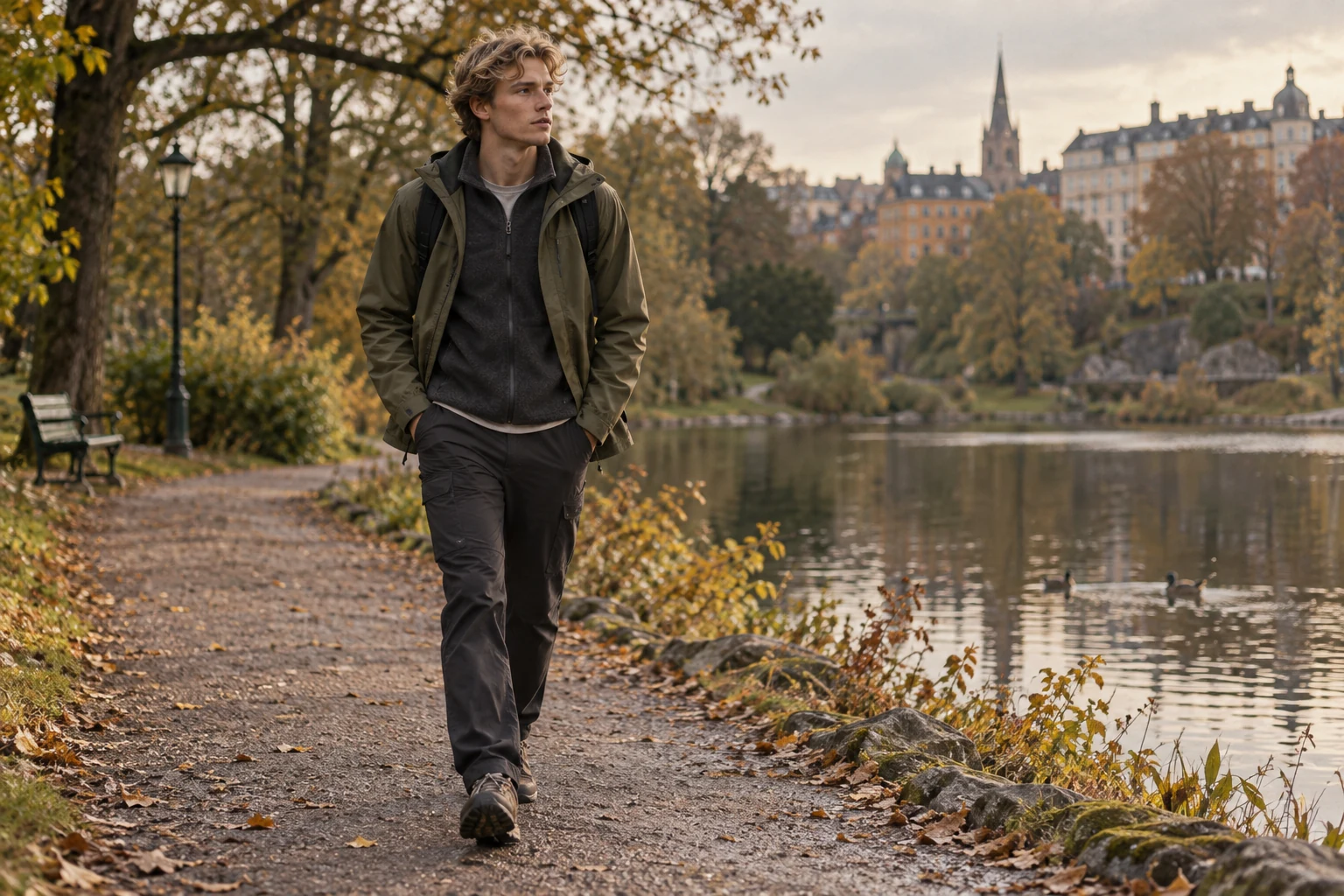
Gorpcore: outdoor gear as everyday style
What gorpcore means, where the name came from, the jackets, fleeces, pants and shoes it is built on, and gorpcore outfits that work in town, not just on the trail.
Styles
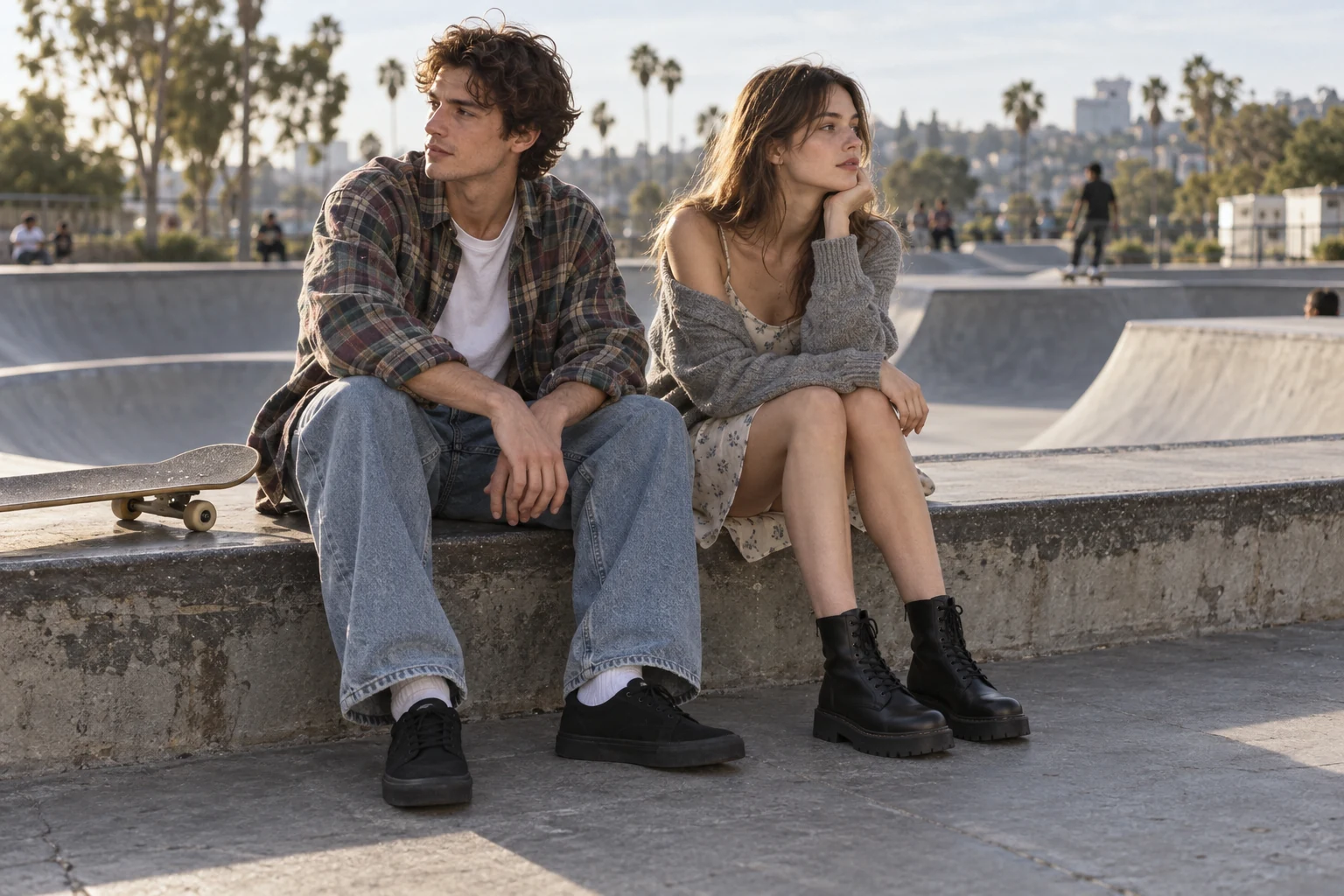
90s fashion: the looks that defined the decade
The looks that defined 90s fashion, from grunge and minimalism to hip hop and schoolgirl plaid, with outfits for women and men and ideas for a 90s party.
Styles
Y2K fashion: what defined it and how to wear it
What Y2K fashion is, the early 2000s trends that defined it for women and men, and how to wear Y2K outfits today, from everyday looks to a theme party.
Shoes and jewelry
How to clean white sneakers by material
How to clean white sneakers at home: a gentle method for leather, canvas and mesh, what to do about soles, laces and yellowing, and why the washer is a last resort.