Business casual for women: what to wear to work
In this guide
A hem that rides up in the first meeting, a sandal nobody else is wearing, a knit that looked fine at home and clings under office lights: in a new job, business casual usually goes wrong in the details rather than the big pieces. Your closet probably already holds trousers, a few dresses, some sweaters and plenty of shoes, but it is not obvious which of them count. Business casual for women is harder to decode than the men's version because there are more garments in play and more ways for one detail to tip an outfit from office to weekend. The same few principles still sort almost everything.
This guide explains what business casual means in most American workplaces, how to read your particular office, and how to build outfits from trousers, skirts, dresses, knitwear and shoes, with the details that keep them working through a full day. The garments are described by type, not by who wears them; anyone can use the trouser formulas here or the ones in our guide to business casual for men.
What business casual means for women
The Emily Post Institute describes business casual as one notch down from a workplace's usual standard. For women, its list covers skirts, khakis and tailored trousers worn with open collar shirts, knit tops or sweaters, plus dresses. Duke University's career center adds fitted blouses, blazers and knee length skirts or dresses; the University of Southern California's career center names chinos, cardigans, loafers, flats and ankle boots. Put together, those lists describe clothes with some structure and a clean finish, without the matching suit.
It helps to know what sits one notch above, because many offices move between the two. Business professional for women, as Emily Post defines it, is a suit, a business dress, or a dress with a jacket, worn with closed shoes such as heels. Business casual keeps the same care and fit but breaks the suit into separates, allows knitwear in place of a jacket, and opens the door to flats and boots. If you own one good blazer, it moves an outfit from the relaxed end of business casual toward business professional in a single step.
Read your office before you shop
Industry sets the baseline. Law, finance, government and client facing roles sit at the dressier end, where a blazer or a structured dress is normal and jeans are rare. Technology, design, media, education and many nonprofits sit at the relaxed end, where a sweater and wide leg trousers may be the most formal outfit in the room. Duke's career center suggests researching a company's culture through its website, social media and current employees. Once you start, watch what people one or two levels above you wear on an ordinary weekday, and read any written policy for specific exclusions such as sleeveless tops or open toed shoes.
Comfort is a legitimate part of the decision, not a luxury. You may walk to a train, stand at a whiteboard, sit through a long meeting and sprint to a client lunch in the same outfit, so choose clothes that stay in place while you move. Personal expression fits too: color, pattern and jewelry are welcome in most offices when one of them leads and the rest stay quiet. Under Title VII, the Equal Employment Opportunity Commission explains, employers generally must accommodate religious dress such as head coverings or longer skirts unless doing so would cause substantial hardship, so a dress code describes a level of polish rather than a single look.
Trousers: the easiest place to start
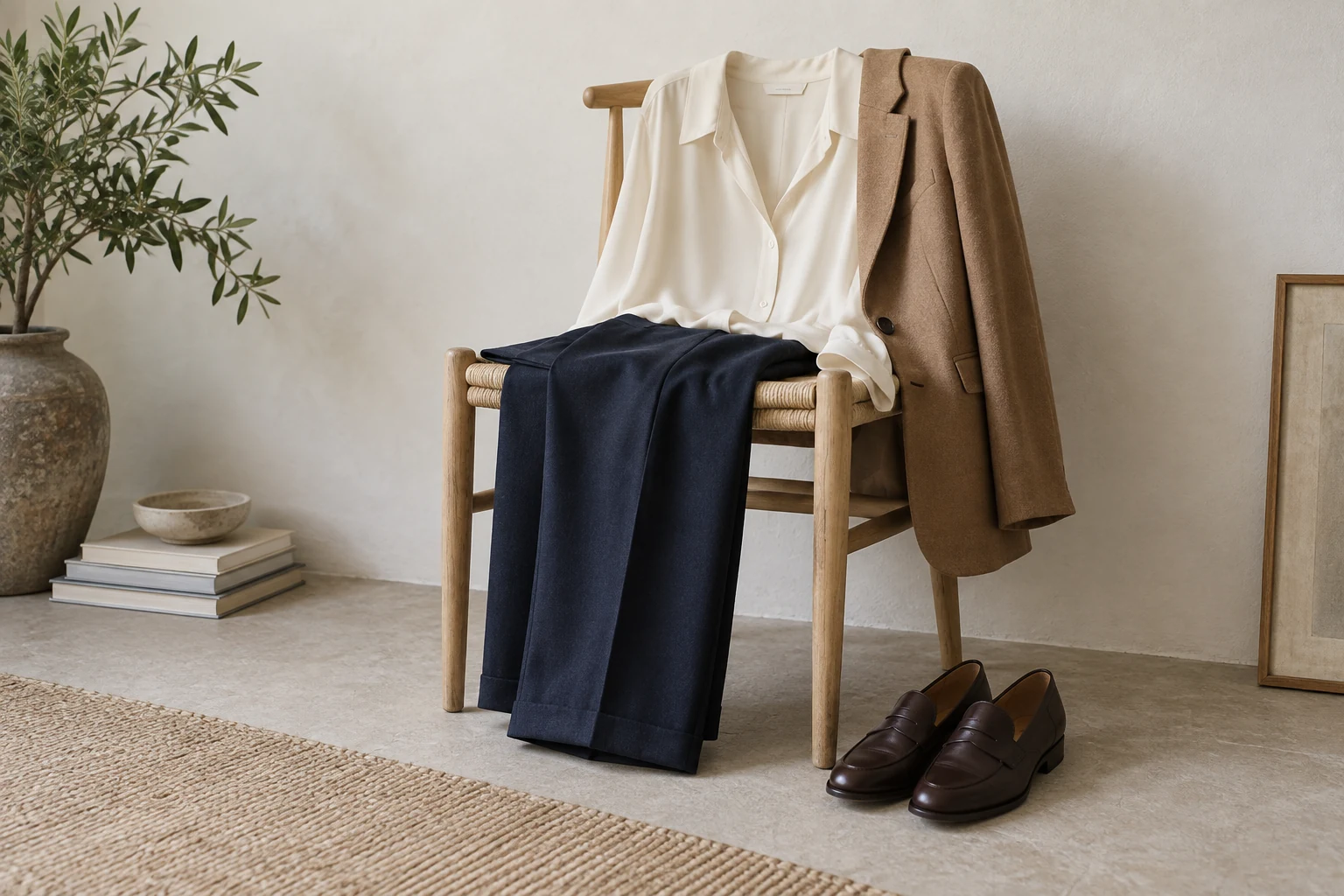
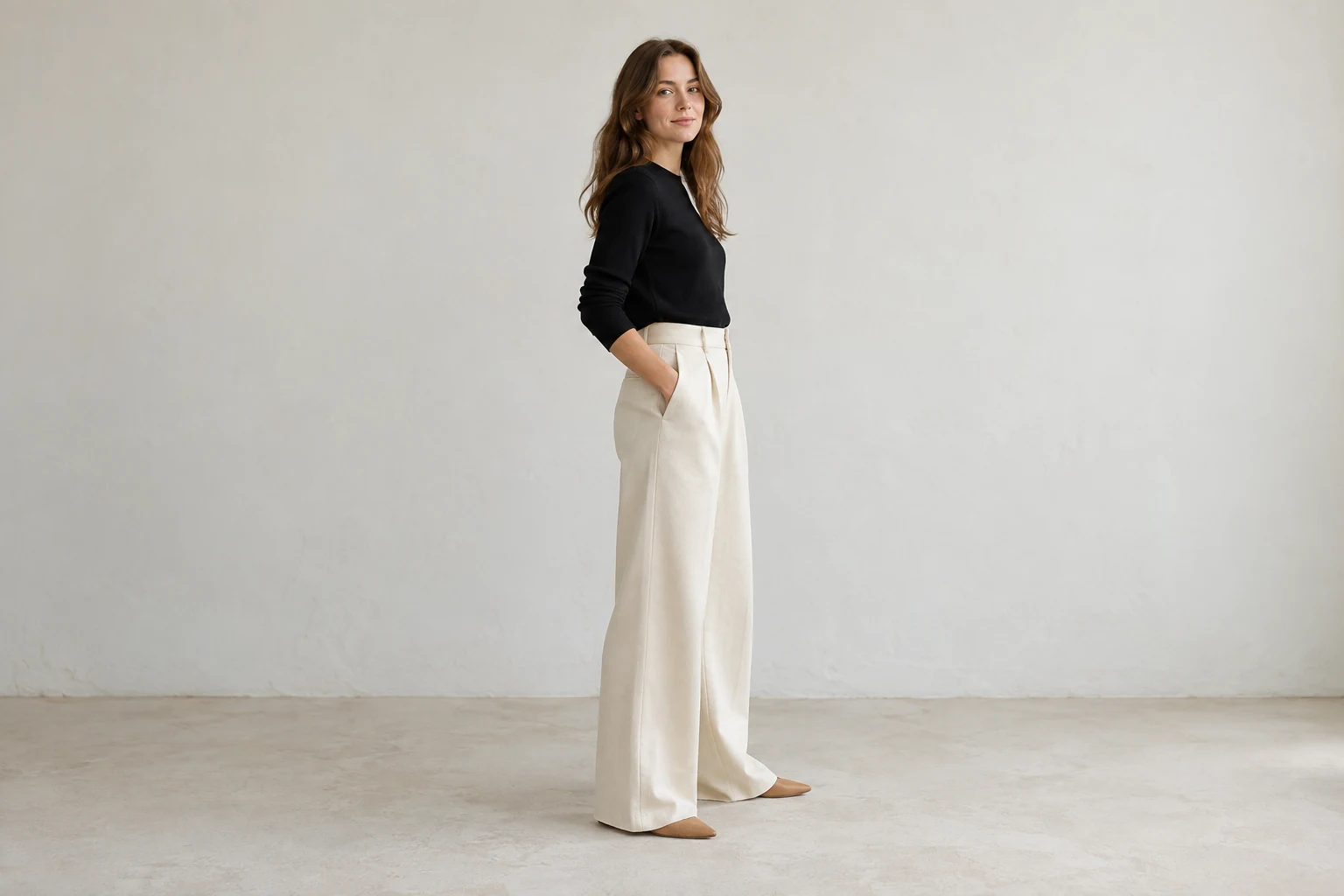
Tailored trousers are the backbone of most business casual outfits for women, because they work in every season and with every shoe height. Look for wool, wool blends, crepe or a smooth ponte knit in navy, black, charcoal, camel or olive, with a waistband that sits comfortably when you sit. Straight, wide leg and slim ankle cuts are all business casual; what matters is a clean line and a hem that suits the shoes you wear most. Full length wide leg trousers need shoes of the same heel height every time, since a hem set for heels will drag with flats. The same pieces work at every size; if ready to wear trousers fit your hips but gape at the waist, a tailor can take in the waistband, which is usually easier than finding a cut that fits both.
A reliable everyday formula is navy wide leg trousers, a tucked silk or crepe blouse, loafers and a thin belt. For a meeting day, add a blazer in a contrasting neutral. In a relaxed office, pressed chinos with a fine knit and ballet flats do the same job. Our guide on styling wide leg trousers covers proportions, tops and shoes in more detail if that silhouette is new to you.
Skirts and dresses for business casual
Length matters more than style. University career centers such as Duke's and USC's name knee length as the safe standard, and midi lengths that fall between the knee and mid calf are equally office friendly and often easier to sit in. Pencil, A line and pleated skirt shapes all work, as do sheath dresses, shirt dresses, wrap dresses and knit dresses in fabrics with enough weight not to cling. A skirt with a fine knit and loafers is one of the most comfortable business casual outfits there is, and it moves easily from summer to winter with tights and boots.
Check any skirt or dress sitting down, not just standing in the mirror. A hem that sits at the knee when you stand can ride well above it in a low chair, and a wrap dress that closes neatly while you stand can open at the neckline when you lean forward. Our guide to checking the fit of a dress walks through those movement tests. Sleeveless dresses are fine in many offices under a cardigan or blazer, and hosiery is now optional in most American workplaces, though some conservative settings still expect it.
Tops, knitwear and layers
Tops are where business casual has the most range: blouses, button shirts, shells, fine knit sweaters, cardigans, turtlenecks and knit polos all qualify when they are opaque, fit without pulling and cover the shoulders or sit under a layer. The Emily Post Institute specifically excludes spaghetti straps and low necklines. A sheer blouse works with a camisole underneath, and a knit that is thin enough to tuck will look neater with a high waisted skirt or trousers than one that bunches.
The third piece, a blazer, a cardigan or a structured knit jacket, is your adjustment tool. Offices are often cold in summer and warm in winter, so a layer you can remove at your desk is practical as well as polished. Keep one neutral blazer at work for unexpected meetings. An unstructured knit blazer or a long cardigan suits relaxed offices; a tailored wool blazer suits traditional ones and turns any blouse and trousers into something close to business professional.
Business casual shoes for women
Closed toe leather shoes are the safest business casual shoes for women, and the list is long: loafers, ballet flats, pointed flats, low block heels, kitten heels, pumps, and ankle boots, with knee boots under skirts in winter. Emily Post advises against sandals and flip flops, and Duke's career center lists flats, sling backs and boots as appropriate. In many relaxed offices, a dressy leather sandal with a low heel is accepted in summer, so check what colleagues wear before assuming either way.
Choose shoes you can walk in for the whole day, including the commute. A heel you cannot stand in for an hour will shape your posture and your mood more than any outfit, and a stable block heel or a smart flat looks just as professional. Clean, plain leather sneakers work only where the office is already relaxed; running shoes and worn canvas do not. If you commute on foot, keep a pair of office shoes at your desk and change when you arrive.
Jeans, seasons and climate
Are jeans business casual? In traditional offices, no; the Emily Post Institute calls them usually a no outside very casual workplaces. Duke's career center notes that some industries and companies do allow dark denim, and in those offices the rule is the same one that applies to trousers: a dark, even wash with no rips or fading, a clean hem, and everything else dressed up with a blouse or fine knit, a blazer or cardigan, and leather shoes. If jeans appear only on Fridays, keep them for Fridays.
Seasons change fabric more than formality. In summer, look for linen blends, lightweight cotton, silk and breathable crepe, and bring a cardigan for the air conditioning; pure linen wrinkles quickly, which matters on a client day. In winter, wool trousers, sweater dresses with opaque tights, turtlenecks under pinafores or jackets, and leather boots all read as business casual. In hot, humid cities, a sleeveless shell under a blazer you can remove is often more practical than a long sleeve blouse.
| Piece | Works at the office | Usually avoid |
|---|---|---|
| Trousers | Wool, crepe or ponte in straight, wide leg or slim ankle cuts | Hems that drag because they were set for a different heel |
| Skirts and dresses | Knee length or midi pencil, A line, pleated, sheath, shirt and wrap | Hems that ride well above the knee when you sit |
| Tops | Opaque blouses, button shirts, fine knits, turtlenecks, knit polos | Spaghetti straps, low necklines, sheer tops without a camisole |
| Layers | Neutral blazer, long cardigan, structured knit jacket | Having nothing to add for a sudden meeting |
| Shoes | Loafers, flats, low block heels, pumps, ankle boots | Flip flops, running shoes, worn canvas |
| Jeans | Dark even wash with no rips, only where the office allows | Faded or ripped denim in traditional offices |
Common mistakes
Checking an outfit only while standing
Skirts ride up, blouses gap between buttons and wrap necklines open when you sit or lean. Sit, reach forward and walk across the room before you commit to a new piece, and choose the next size or a different cut if it needs adjusting all day.
Wearing shoes you cannot walk in
Office days include more walking and standing than you expect. A beautiful heel you remove under the desk is a sign to choose a lower or more stable one next time, or to commute in something else and change.
Letting several strong pieces compete
A bold print, statement earrings, a bright shoe and a patterned bag can each work at the office, but together they read as a weekend outfit. Let one piece lead and keep the rest quiet.
Questions people ask
Are leggings business casual?
Leggings worn as trousers are not business casual in most offices, since they are closer to activewear. Thick opaque leggings under a longer dress or tunic can pass in relaxed workplaces. If you like the comfort, look for ponte knit trousers with a real waistband and hem, which feel similar and read as tailored.
Is a sleeveless top business casual?
It depends on the office. In many relaxed and hot climate workplaces, a sleeveless blouse or shell with a substantial strap is fine, while traditional offices expect sleeves or a layer over it. Spaghetti straps are out almost everywhere. Keeping a cardigan or blazer at your desk solves the question on any given day.
What should you not wear for business casual?
Most American offices rule out activewear, leggings worn as trousers, flip flops, shorts, ripped or faded denim, clubwear, and tops that are sheer, strapless or cut low. Clothes that are wrinkled, pilled or worn thin also fall short, even when the garment itself is office appropriate. A written dress code overrides any general list, so check yours first.
What does business professional mean for women?
Business professional means a matching suit with trousers or a skirt, a business dress, or a dress with a jacket, worn with closed shoes, according to the Emily Post Institute. It is standard in some law firms, banks, courtrooms and government offices, and for many interviews. Our guide to business professional attire covers it in full, and what to wear to a job interview explains when to choose it.
How is business casual different from smart casual?
Business casual follows workplace expectations and stays fairly conservative in fabric, color and fit. Smart casual is usually social, with more room for dark jeans, clean sneakers and personal style. On the usual ladder of dress codes, smart casual sits one step below business casual and dressy casual one step above it. Our guide to the smart casual dress code explains the social version.
Sources and further reading
References used for this guide. Each opens the original page in a new tab.
- Emily Post Institute: Business casual 101 Opens in a new tab
- Emily Post Institute: Attire guide from casual to white tie Opens in a new tab
- Duke University Career Hub: Attire guide Opens in a new tab
- University of Southern California Career Center: Dress for success guide Opens in a new tab
- US Equal Employment Opportunity Commission: Religious garb and grooming in the workplace Opens in a new tab
Keep reading
Dress codes
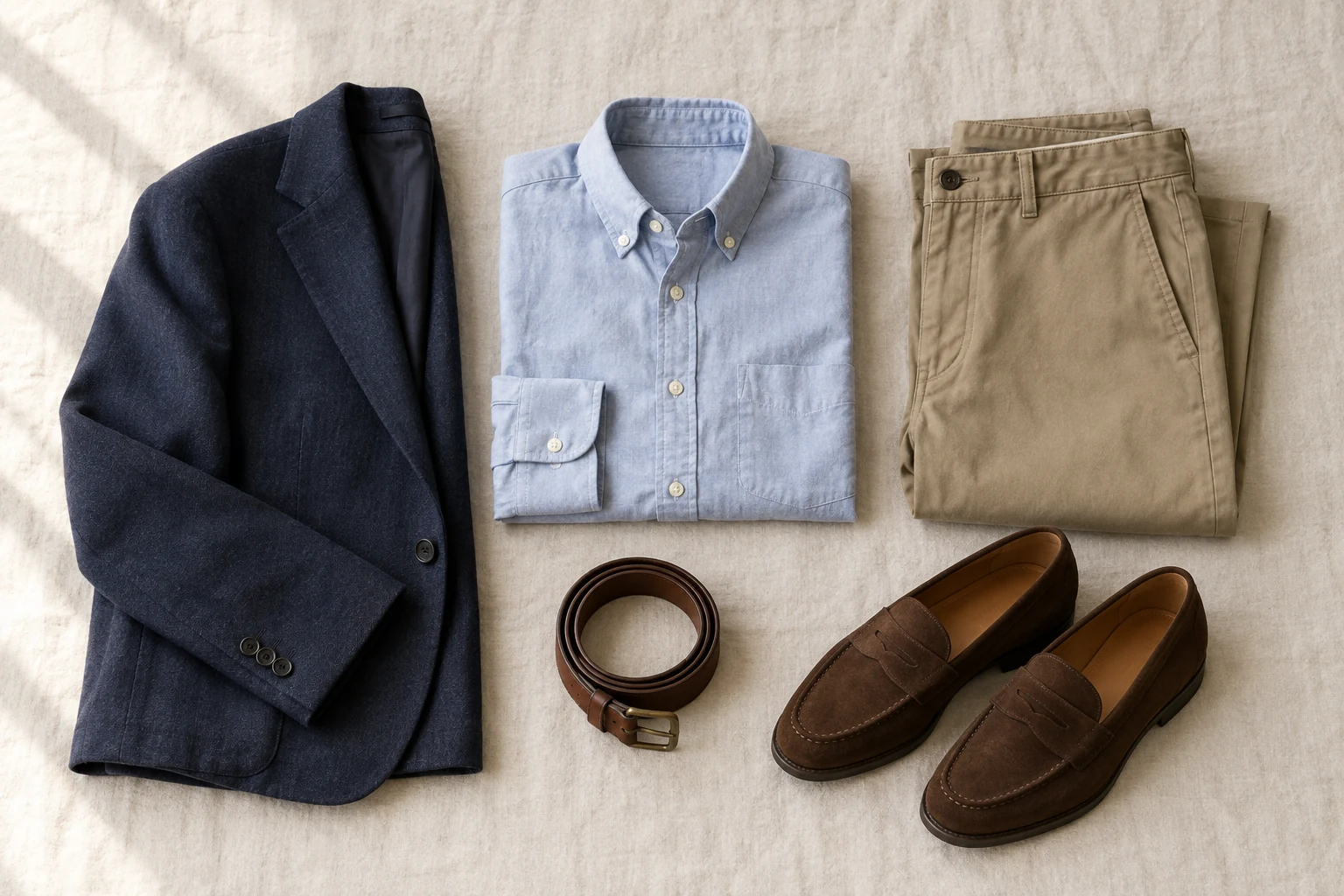
Business casual for men: what to wear to work
What business casual means for men at work, with outfit formulas, the right shoes, when jeans are allowed and how to read your own office's version of the code.
Dress codes
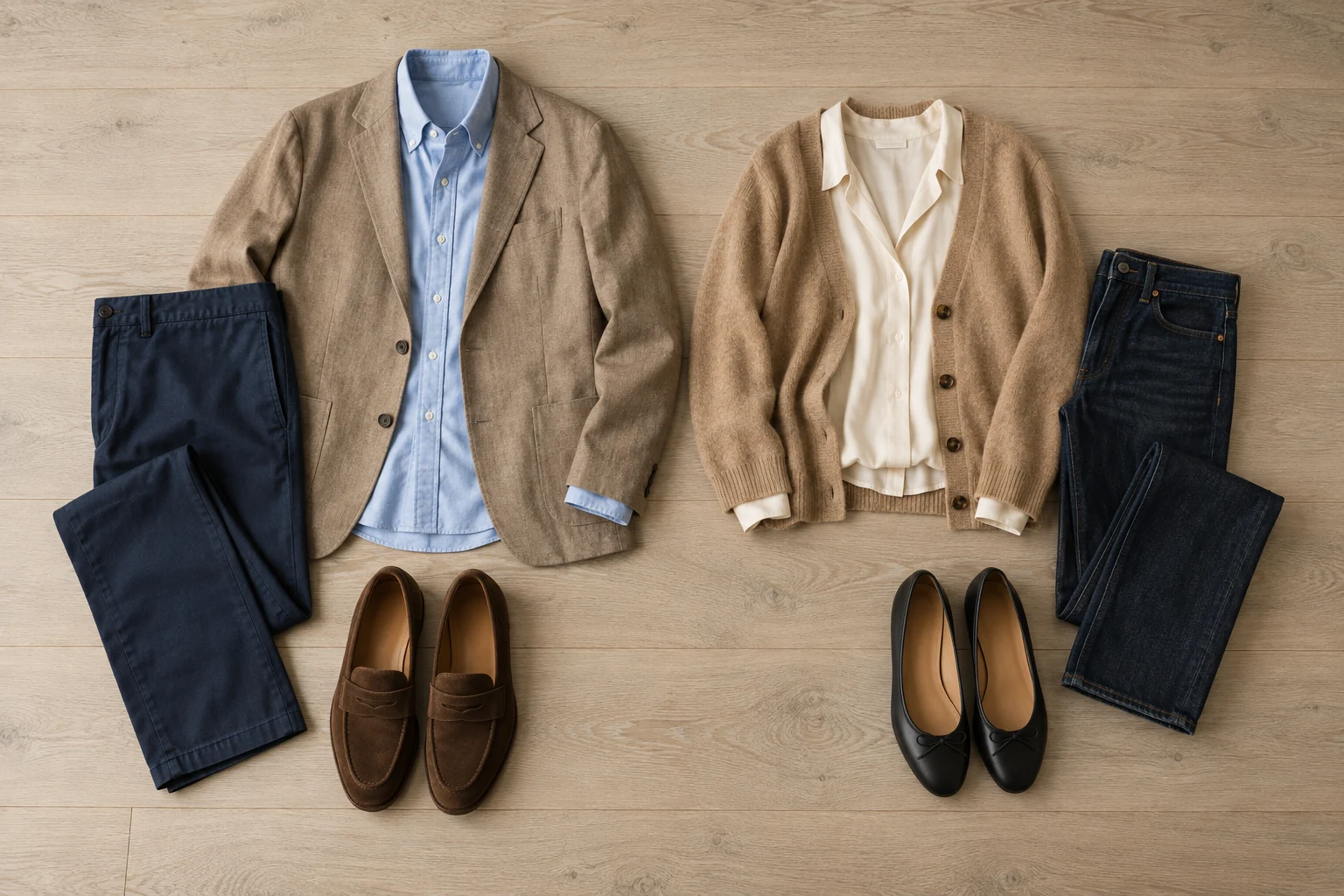
Smart casual: what it means for men and women
What smart casual really means, how it differs from business casual, and what men and women can wear, including when jeans, sneakers and a blazer are right.
Dress codes
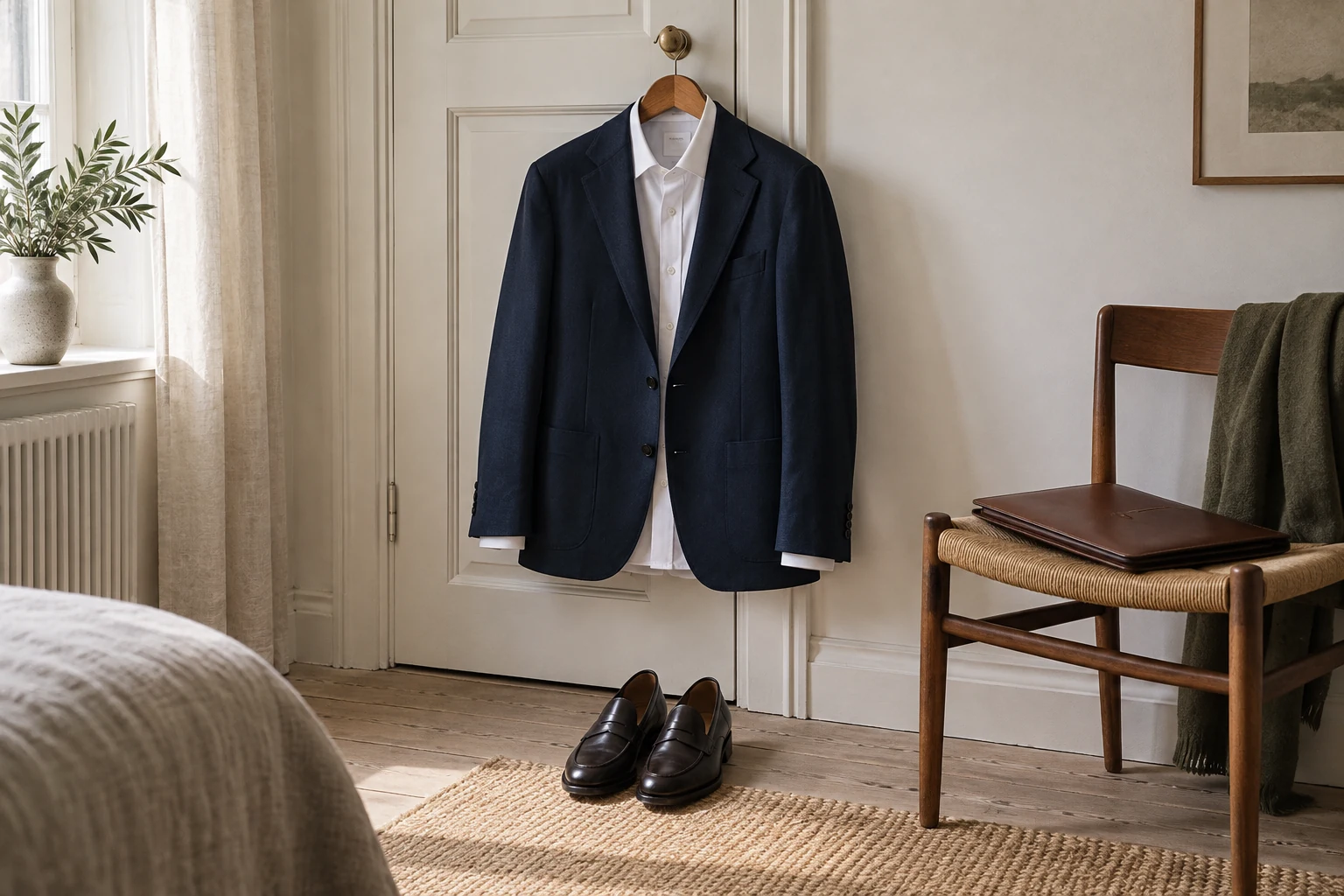
What to wear to a job interview
What to wear to a job interview: how to read the company, dress one step above daily wear, outfits for men and women, video interviews and what to avoid.
Everyday style
How to style wide leg pants: tops, shoes and hems
How to style wide leg pants with the right tops, shoes and hem length, for work and weekends, with practical fixes for pants that drag, swamp you or feel sloppy.
Everyday style
How to check dress fit, from shoulders to hem
How to check dress fit in a fitting room or at home: what to look for at the shoulders, bust, waist, hips and hem, how to read wrinkles, and what a tailor can fix.