Old money style and quiet luxury, explained
In this guide
The old money aesthetic became one of the most searched style ideas of the 2020s, and its photographs all share one quiet rule: no logo in sight. A cream cable knit, pressed trousers, a navy blazer, a leather belt clearly older than the person wearing it. It can look like something you need a trust fund to join.
It is not. Old money style is mostly a set of choices about color, fit and fabric, and most of those choices cost nothing. This guide explains what the look is, why it caught on, and how to build it from clothes you already own or can find secondhand.
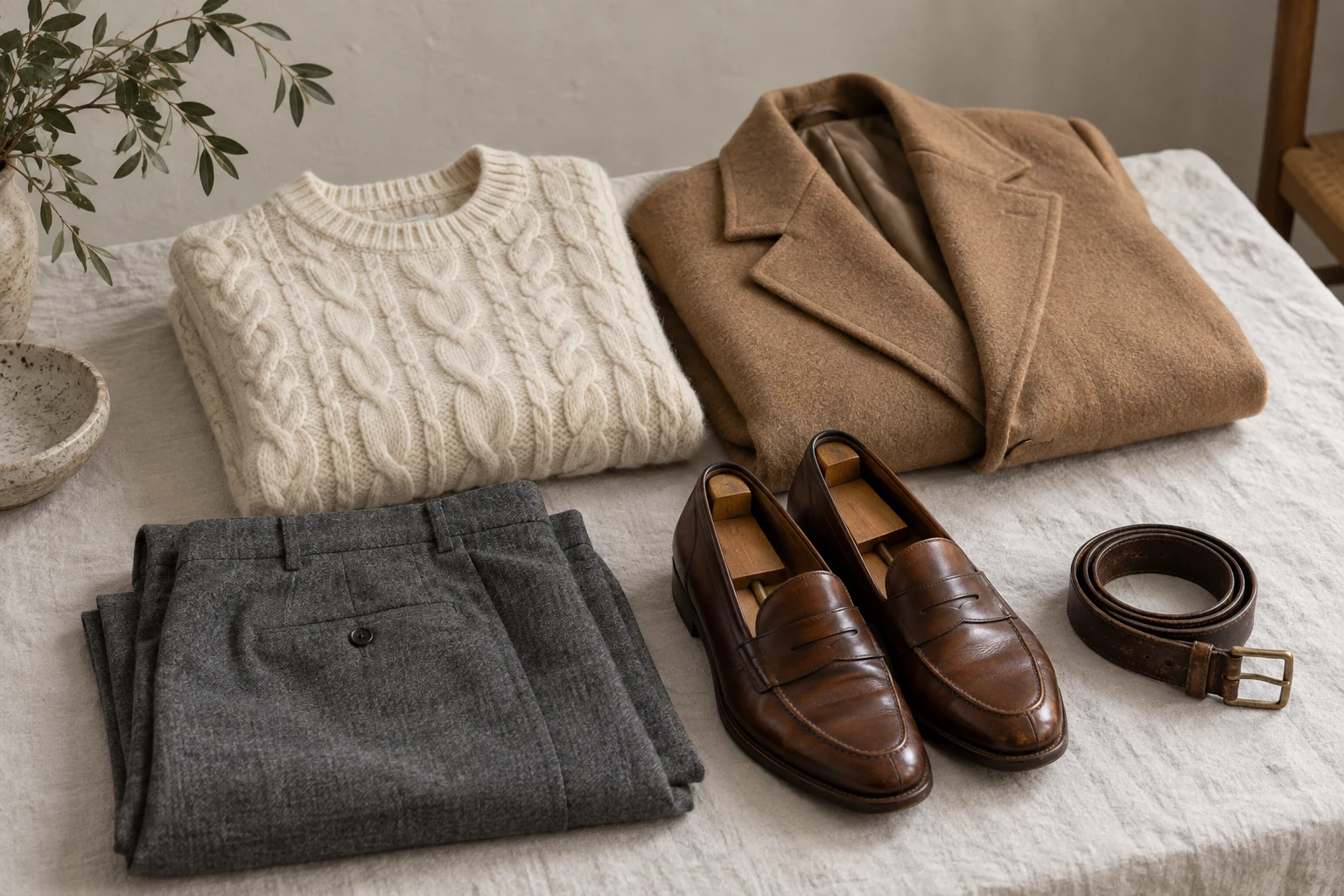
What old money style means
Old money is an old phrase for families whose wealth was inherited over generations, as opposed to new money, earned recently and often spent loudly. The contrast is familiar from The Great Gatsby, where established families look down on flashy newcomers. The idea behind the clothing is that people with nothing to prove dress quietly: no visible logos, nothing that shouts price, clothes that look good because they fit and last.
Online, the old money aesthetic is a mood board version of that idea, drawing heavily on East Coast prep, European summer holidays, riding and sailing. It overlaps with preppy style, but it is usually quieter and more grown up: fewer bright colors, less pattern, finer fabrics, more tailoring. Remember that it is an image of a class, not a class itself; wearing it well says more about taste and care than about money.
Old money and quiet luxury
Quiet luxury is the fashion industry's name for the same principle. It describes understated, high quality clothing with no visible logos, in muted colors such as beige, white and soft green. The phrase peaked in 2023, helped by the HBO series Succession, whose very rich characters dressed in plain, costly basics, and by coverage of Gwyneth Paltrow's courtroom wardrobe that March.
The difference is mostly price. Quiet luxury is associated with expensive labels whose quality is recognizable only to people who know what to look for. Old money style, as most people use the term online, is the look itself, which you can put together from any source. Critics had declared the quiet luxury trend over by early 2024, but the underlying style has not gone anywhere, because it was never really a trend to begin with.
| Term | What it means | How it differs |
|---|---|---|
| Old money style | The quiet, logo free look itself | Can be put together from any source, including thrift |
| Quiet luxury | Understated, high quality clothing in muted colors | Tied to expensive labels only insiders recognize |
| Preppy | East Coast school and sailing style | Brighter colors and more pattern, less grown up |
The colors and fabrics that make it work
The palette is narrow on purpose: navy, camel, cream, white, charcoal and mid gray, olive, chocolate brown and black, with occasional soft blue or pale pink. Colors that look expensive are usually deep or muted rather than bright, and they combine without effort, which is why the whole wardrobe mixes. If you are wondering which colors make you look expensive, this is the honest answer: the ones that look good together and on you, worn in good fabric.
Fabric carries the look. Wool, cashmere, cotton, linen, silk and real leather drape and age well, and they tolerate a bit of wear. Look for a dense knit that springs back, cotton shirting with a smooth or oxford weave, and trousers with enough weight to hang straight. Care is part of the style: a well pressed shirt and a pill free sweater read richer than a new one straight from the bag. Our guides to removing pilling and washing cashmere help here.
Old money style for men
Start with a navy blazer, gray wool trousers, an oxford or poplin shirt and brown leather loafers or suede derbies. Add a fine merino or cashmere crew neck in navy, cream or camel. For summer, a linen shirt with the sleeves rolled, chinos or linen trousers and loafers without visible socks. For weekends, a knitted polo or a cable knit sweater with straight jeans in dark or faded blue.
Tailoring is the part that most separates a convincing look from a copy. Trousers should sit at the natural waist or just below, fall straight and just touch the shoe; the jacket should hug the shoulders. A simple leather strap watch and a matching belt finish it. Old money hairstyles for men are simply neat, classic cuts, such as a side part or short back and sides with some length on top, kept regularly trimmed. Our guide to how a suit should fit covers the tailoring details.
Old money outfits for women
A core set might be a cream or camel coat, a navy or black blazer, a white shirt, a fine knit sweater, straight or wide leg trousers, a midi skirt, dark straight jeans and a simple sheath or shirt dress. On the feet, loafers, ballet flats, riding boots or low heels. Jewelry stays small: pearl or gold studs, a thin chain, a watch. A structured leather bag without a large logo finishes it.
Try a camel coat over a cream turtleneck with gray trousers and loafers for a winter day. In summer, a white linen shirt tucked into a navy midi skirt with flat sandals, or a simple dress with a cardigan over the shoulders. Hair is typically healthy and uncomplicated, such as a low ponytail, a smooth blowout or a clean bob; what matters is that it looks cared for rather than done. For how to judge the fit of dresses and trousers, see our guide to checking the fit of a dress.
How to build it on a budget
Because the style avoids logos, you do not need expensive labels to get it right. Thrift and vintage shops are full of wool blazers, lambswool and cashmere sweaters, silk scarves and leather belts that fit the look exactly, often at a fraction of the new price. Check the fabric label, the seams and the lining before buying; modest tailoring on a well made secondhand jacket usually beats a new one that almost fits.
Start from what you own. Pull out anything in the palette above, put the best fitting pieces together and see what is missing. Most people find the gap is one good coat or blazer, or a pair of leather shoes. Resist buying a whole new wardrobe at once. The look depends on pieces that seem to have been worn for years, and a closet that grows slowly is more convincing than one bought in a weekend. Our guide to building a capsule wardrobe helps plan the gaps.
Common mistakes
Buying the logos
A large visible monogram contradicts the whole idea. If a label shows, it should be small and incidental. Quality you can see in the fabric and fit does the talking.
Looking too new
Everything crisp, shiny and matching can look like a costume. Mix in pieces with some age, such as a softened leather belt or a sweater that has been washed many times, and keep them in good repair.
Ignoring the climate and occasion
Linen and loafers look right on a summer terrace and wrong in a city winter. The style is practical at heart, so dress for the weather and the setting first.
Questions people ask
Why is Gen Z so interested in old money style?
Part of the appeal is the contrast with fast, logo heavy trends: the old money aesthetic promises clothes that last and look calm. Social media mood boards and shows like Succession helped too. Many people also like that it rewards care and taste rather than constant buying.
How can I look more polished without spending much?
Fit, care and grooming matter more than price. Have trousers hemmed and jackets taken in, keep shoes polished, iron or steam shirts, and remove pilling from knitwear. A small wardrobe in a narrow, compatible color palette also looks more deliberate than a large random one.
Is old money style the same as preppy?
They share many pieces, but preppy is more collegiate and playful, with bright accents, madras and sneakers. Old money style is quieter, more tailored and more neutral. You can think of it as preppy style grown up and toned down.
Is quiet luxury still in style?
As a headline trend, quiet luxury peaked in 2023 and fashion writers moved on soon after. The style itself, neutral colors, good fabric and no logos, predates the trend by generations and remains a reliable way to dress. It simply stops being talked about.
Sources and further reading
References used for this guide. Each opens the original page in a new tab.
Keep reading
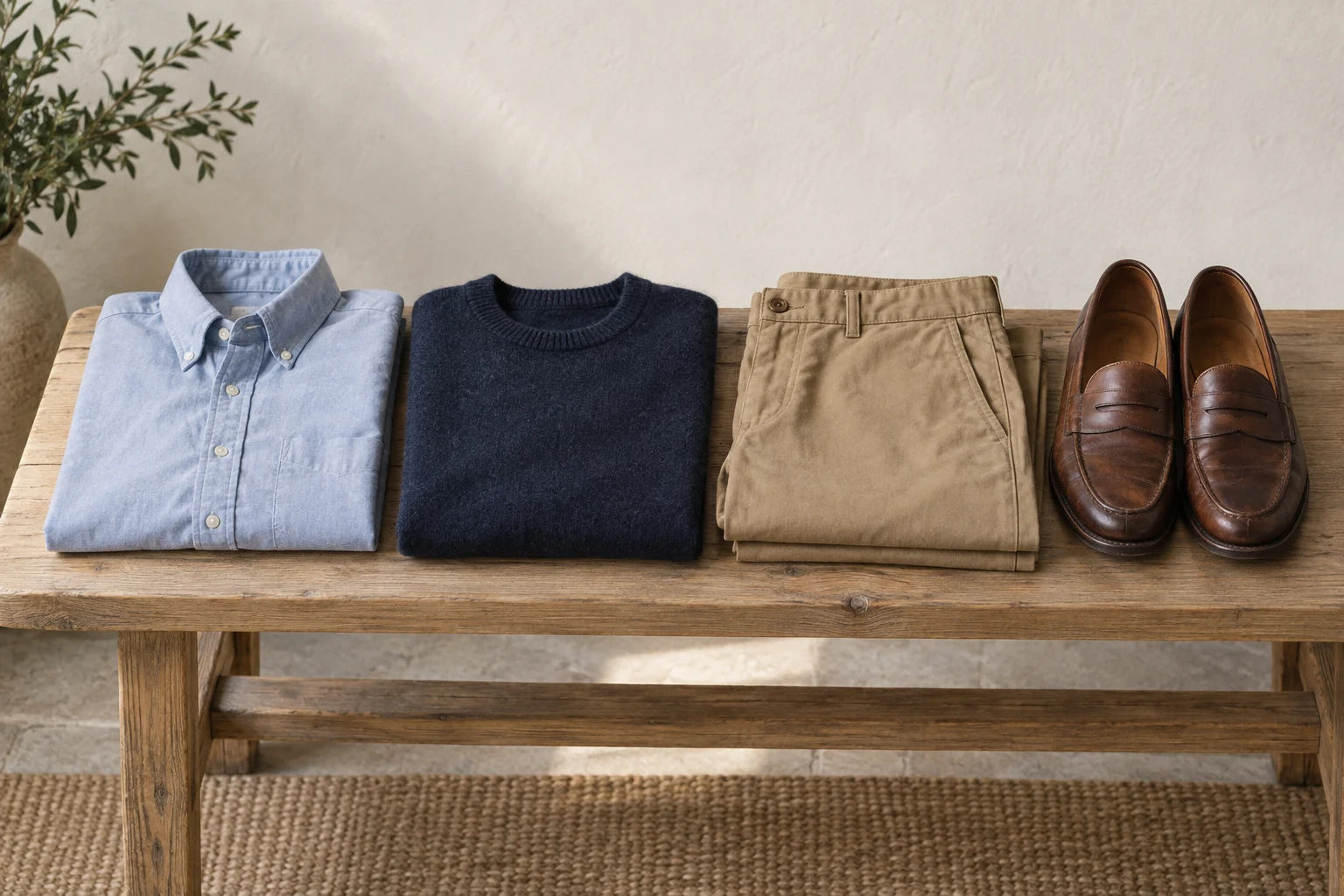
Styles
Preppy style: what it is and how to wear it now
What preppy style means, where it came from, the core pieces for men and women, and how to wear modern preppy outfits without looking like a costume.
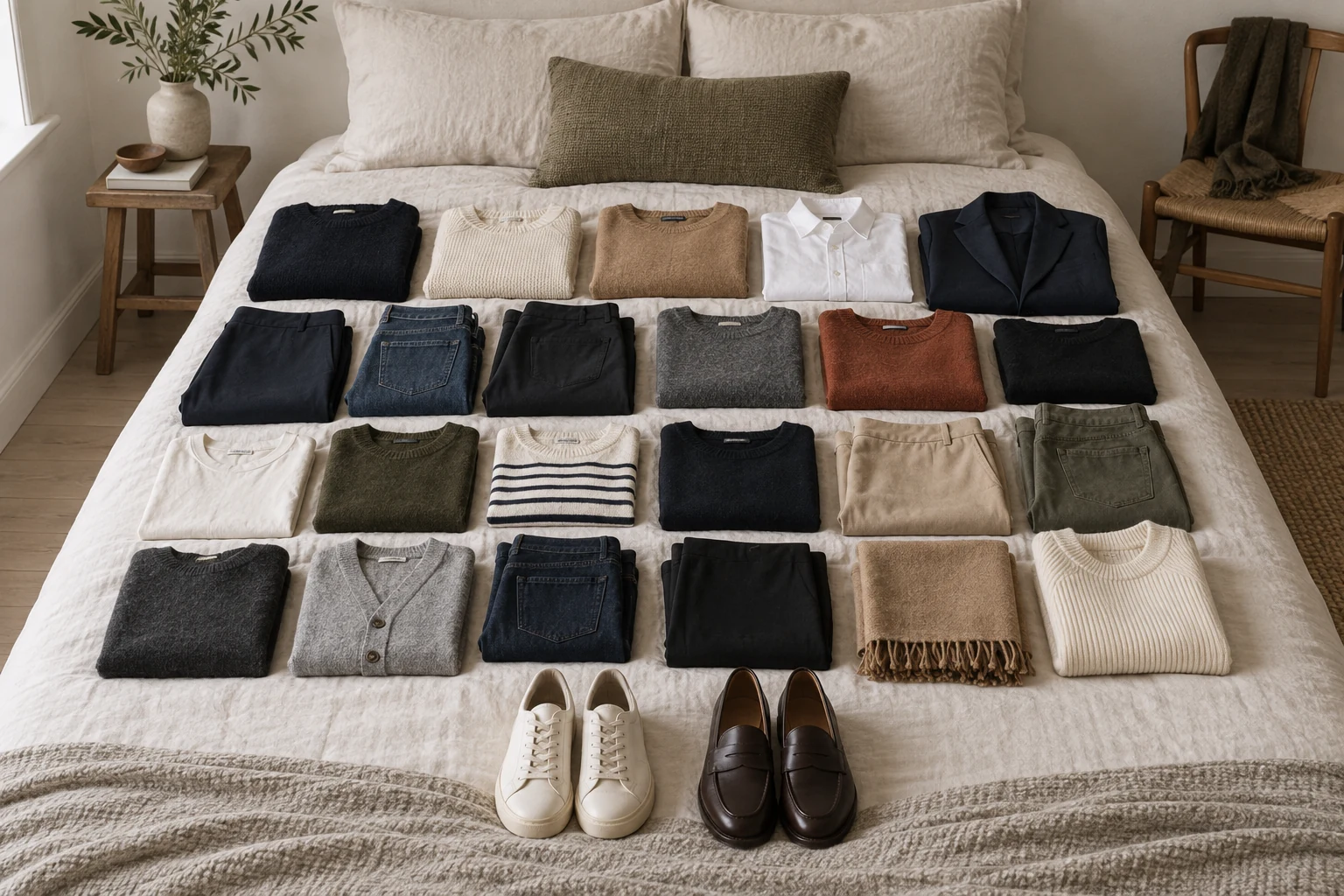
Closet and packing
How to build a capsule wardrobe from what you own
Build a capsule wardrobe from your real week and the clothes you already reach for, with examples for women and men and a simple way to test it.
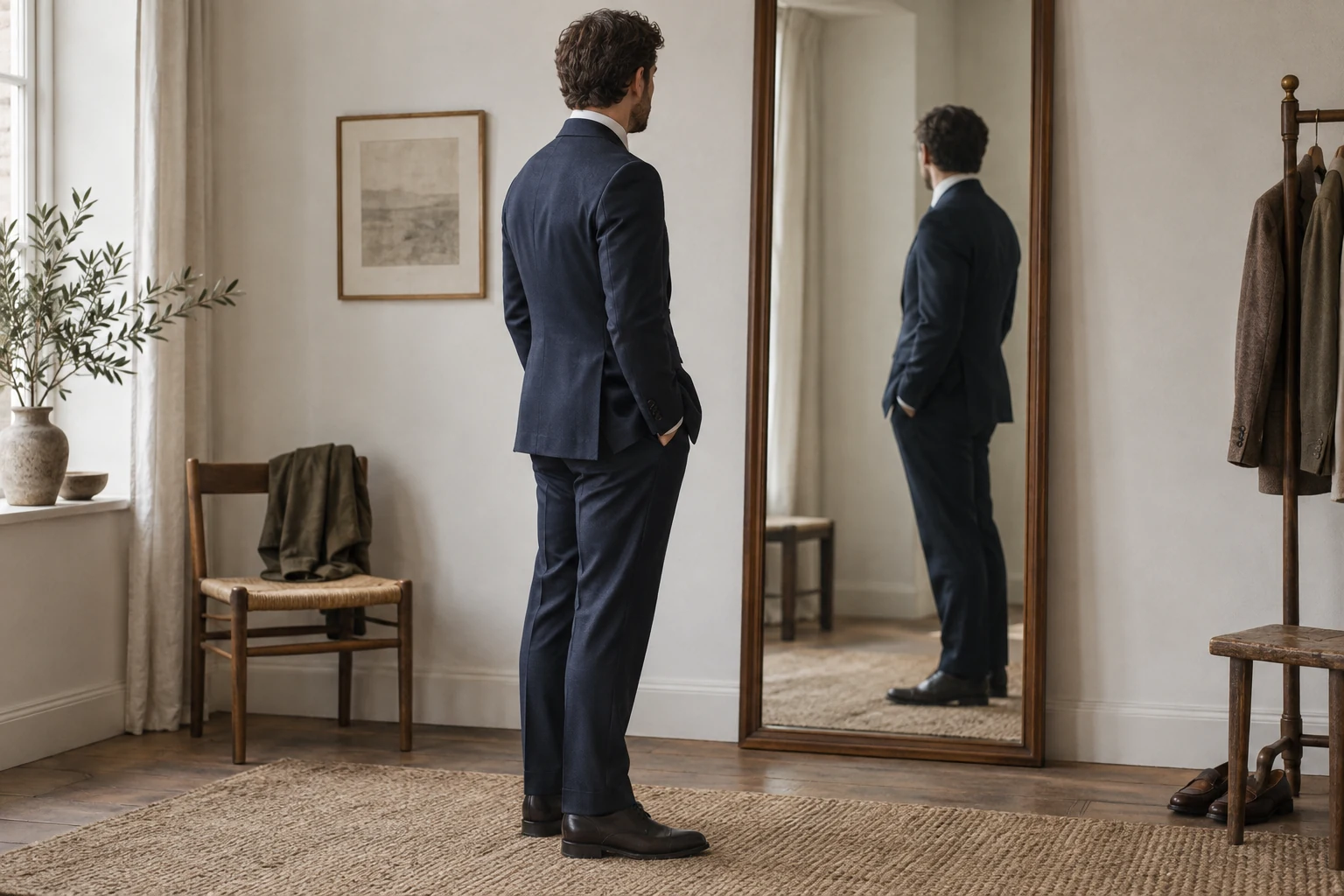
Suits and tailoring
How a suit should fit: shoulders, sleeves and length
How should a suit fit? Check the shoulders, collar, button, jacket length, sleeves and trousers in the mirror, and learn which problems a tailor can and cannot fix.
Fabrics
What is cashmere, and is it worth it
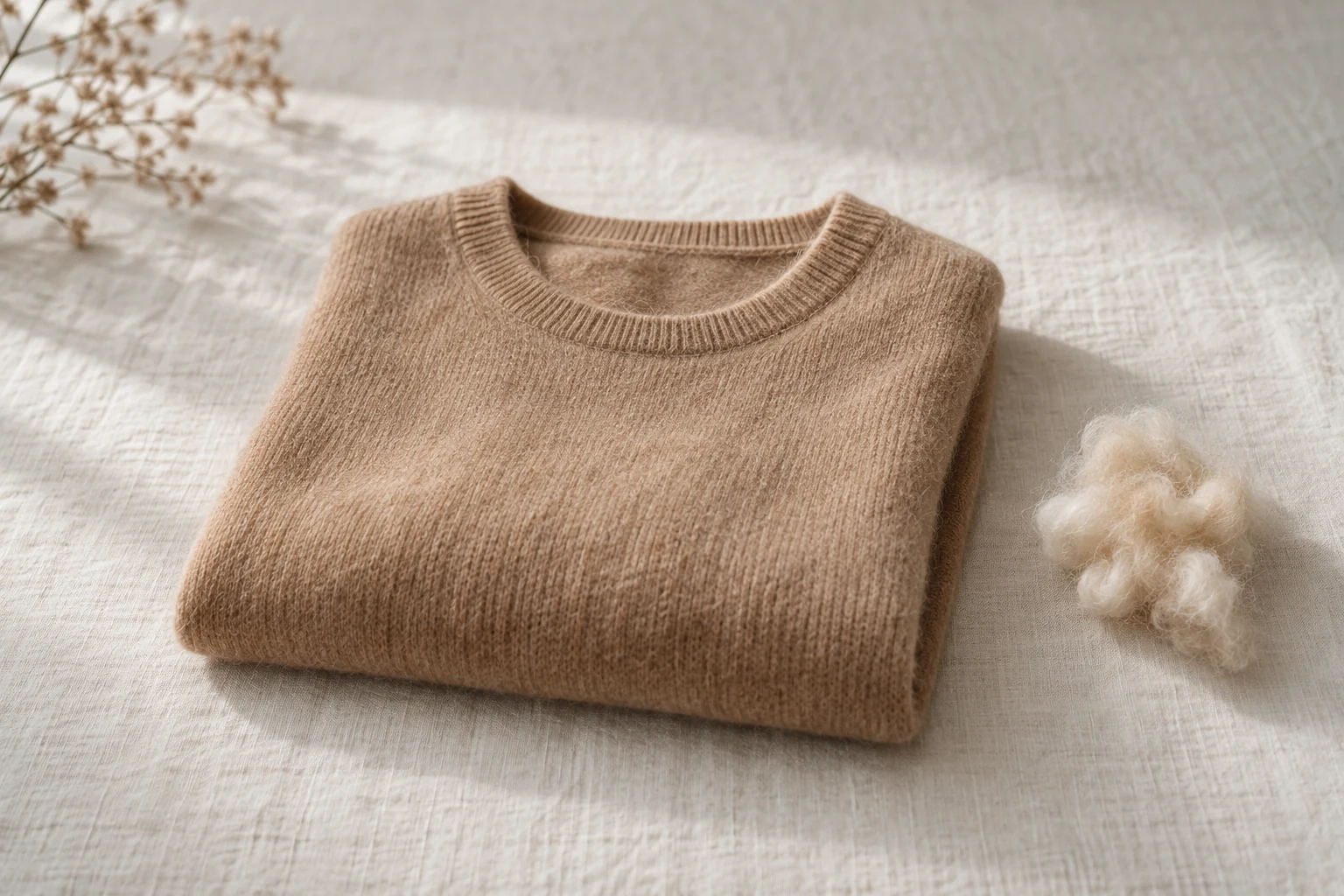
What is cashmere: the goat undercoat it comes from, why it costs more than wool, how to judge a cashmere sweater in the store, and how to keep it soft for years.

Styles
Minimalist style: fewer pieces, better outfits
What minimalist style really is, where it came from, the pieces, colors and fabrics it relies on, and minimalist outfits for men and women that never look plain.