Techwear: functional clothing as everyday style
In this guide
A light rain on the bike ride in, twenty minutes on foot between trains, then eight hours in an overheated office, all in the same clothes. Ordinary cotton jackets soak through and ordinary jeans bind at the knee. Techwear is the style that grew out of that problem: clothing made with outdoor and sports technology, cut and colored for the city.
The internet version often looks like a science fiction film, all black straps and face masks. The useful version is quieter. This guide explains what techwear is, what its fabrics really do, which pieces are worth owning, how to put together a techwear outfit for men or women, and how to tell a well made garment from one that only borrows the look.
What techwear is and where it came from
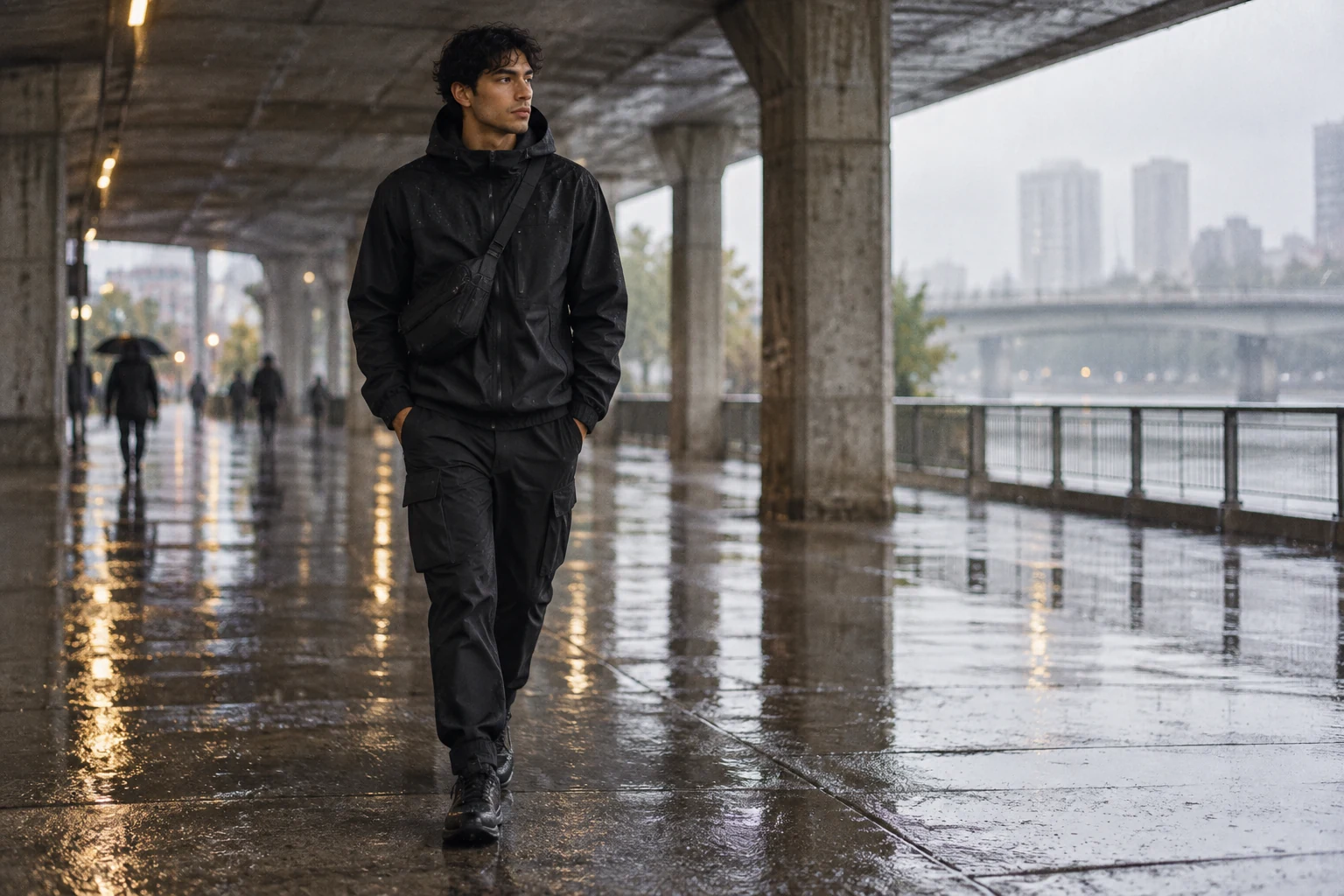
Techwear is clothing where function comes first and shapes the look: fabrics that block wind and rain yet let sweat out, cuts that allow you to climb stairs two at a time, pockets placed where you can reach them while carrying a bag. It borrows from mountaineering, snowboarding, cycling and military gear, then strips away the bright colors and logos meant for mountains, so the pieces sit comfortably on a street.
The figure most associated with the style is Errolson Hugh, who with Michaela Sachenbacher runs the Berlin label Acronym. They came from designing for snowboard and bike brands and built garments with features such as gravity pockets, detachable hoods and integrated sling systems. Hugh has also consulted for Nike ACG and worked on Stone Island's Shadow Project, which helped carry the ideas into mainstream sportswear. His own summary is useful for anyone shopping: high performance should mean fit for purpose, well made and durable, not simply high technology.
Techwear fabrics and what they actually do
The heart of most techwear clothing is the shell. A hardshell jacket uses a waterproof breathable membrane laminated to a face fabric. Gore Tex, the best known, works through microscopic pores far smaller than a raindrop but larger than a molecule of water vapor, so rain stays out while sweat vapor can escape. The outer fabric also carries a durable water repellent finish, usually called DWR, which makes water bead and roll off. When that finish wears down, the face fabric wets out and the jacket feels clammy even though the membrane is still doing its job.
Softshells are a different tool: woven stretch fabrics that block most wind and shed light rain, and breathe far better than a hardshell. They are the natural choice for techwear pants and for active days when you will sweat. Underneath, merino wool and synthetic knits manage moisture and odor better than cotton; see our guide to merino wool for why. Nylon is common because it is light and abrasion resistant. Knowing which fabric does what lets you judge a jacket by its label rather than its look.
| Fabric | What it does | Best for |
|---|---|---|
| Hardshell with a membrane | Keeps rain out while sweat vapor escapes | Jackets for rain and wind |
| DWR finish | Makes water bead and roll off the face fabric | Every shell; restore it when it wears down |
| Softshell | Blocks most wind, sheds light rain, breathes far better | Pants and active days |
| Merino or synthetic knit | Manages moisture and odor better than cotton | Base layers |
| Nylon | Light and abrasion resistant | Pants, bags and outer layers |
The core pieces: jacket, pants, layers, bag and shoes
A techwear jacket is the anchor. A hip length hardshell in black, charcoal or olive, with a hood that adjusts to your head, pit zips for venting and fully taped seams, covers most climates from fall to spring. In colder places, add an insulated jacket or vest underneath rather than buying a heavy coat, because layers let you adapt as you move between the street and heated rooms. Our guide to dressing for rain goes further into shells and umbrellas.
Techwear pants are usually tapered nylon or softshell cargos with articulated knees, a gusseted crotch that does not pull when you lift a leg, and cuffs that close with snaps or a drawcord so they sit cleanly above the shoe. Add a merino or synthetic tee, a light fleece or zip mid layer, a crossbody or sling bag that stays put while you move, and trail runners or waterproof sneakers with a grippy sole. Five or six pieces like these already make a complete wardrobe.
Techwear outfits for men and women
A classic techwear outfit is monochrome: black merino tee, black shell jacket, charcoal tapered pants, black trail runners and a sling bag worn across the chest. The single color hides differences in fabric sheen and lets the cut and details show. For a softer version, work in olive, stone, gray or deep navy, which also shows less lint and dust than black. For men, a straight rather than very tapered pant and a jacket that just covers the belt keeps the look from reading like combat gear.
Techwear for women uses the same pieces with more freedom in proportion. Wide nylon cargo pants with a fitted base layer and a cropped shell, or a long technical parka over leggings and waterproof boots, both work well. Cargo pants for women in parachute nylon or ripstop pair naturally with a short puffer and chunky runners, which is where techwear streetwear crosses over into the ordinary streetwear style. A technical skirt or shorts over leggings is another comfortable option for cycling or long walks.
Real function versus the cyberpunk costume
Techwear cyberpunk styling, with multiple buckle straps, dangling webbing, face coverings and harnesses, is a genuine visual subculture and can be fun for events and photography. As daily clothing it runs into problems: straps catch on doors and bike wheels, extra hardware adds weight, and the outfit can read as a costume in an office or a restaurant. If a strap does not hold anything, adjust anything or carry anything, consider leaving it off.
The test for any piece is simple. Ask what it does and whether you need it. A hood that cinches to your head, pockets you can open with gloves on, a zipper that seals, fabric that breathes when you climb stairs: those make daily life easier, and people tend to keep wearing them for years. If you like the look but want to tone it down, wear one technical piece, usually the jacket, with plain dark jeans or chinos and leather sneakers. That mix works in more places than a full outfit.
Why techwear is expensive and how to judge quality
Membrane fabrics, seam taping, waterproof zippers and articulated patterns cost more to make than a cotton jacket, and small labels produce in small runs, so good techwear is rarely cheap. Many shops using the word techwear in their names sell the look with ordinary polyester and decorative straps, which is fine if you want the aesthetic but disappointing in real rain. Check the product page for the specific membrane or fabric, whether seams are fully taped, and whether the zippers are water resistant.
You can get most of the function for less by buying from outdoor makers rather than fashion labels, choosing plain black or gray colors, and shopping secondhand, since shells hold up well if they have been cared for. Try pants on with a deep squat and a high step, and lift your arms in the jacket. If the hem rides up past your waist or the knees pull, the pattern is not doing its job.
Start from what you own and keep it working
Look first at what you already have for hiking, running or skiing. A running tee, a fleece and a plain rain jacket in a dark color are techwear basics in everything but name. Pair them with the straightest, darkest pants you own and a clean pair of sneakers and you have a first outfit. Add techwear pants next, because that is the piece most people do not already own, then upgrade the jacket once you know what weather you actually face.
Care keeps technical fabrics working. Makers such as Mammut advise washing membrane jackets with liquid detergent, no fabric softener and an extra rinse, since residue clogs the fabric, then using gentle heat to reactivate the DWR finish, all within the care label's limits. Our guides to reading care labels and washing synthetic activewear cover the basics, and insulated layers need the method in how to wash a down jacket.
Common mistakes
Never washing the shell
Dirt and skin oils reduce breathability and make a membrane jacket feel wet inside. Washing it correctly and restoring the water repellent finish usually brings it back.
Buying straps instead of fabric
Decorative buckles make a jacket look technical but do not keep rain out. Spend on the membrane, seams and cut first.
Pants that are too tapered
Very narrow techwear pants restrict the movement the style is supposed to allow. A gentle taper with a gusset moves better and looks less extreme.
Questions people ask
What exactly is techwear?
Techwear is a style of everyday clothing built from performance materials and construction borrowed from outdoor, sports and military gear. It is usually dark and streamlined, and it prioritizes weather protection, movement and carrying things over decoration.
Why is techwear so expensive?
Waterproof breathable membranes, taped seams, sealed zippers and complex patterns cost more to produce, and many labels make small runs. Outdoor brands often offer similar function at lower prices, and secondhand shells are a good value if they have been cared for.
Is techwear the same as gorpcore?
They overlap but differ in mood. Techwear leans dark, urban and streamlined, while gorpcore wears outdoor gear in its original colors with a relaxed, trail ready feel. Many pieces, such as shell jackets and trail runners, belong to both.
Can women wear techwear?
Yes, and the pieces are the same: shells, softshell or nylon pants, technical layers and practical shoes. Women's cuts tend to offer more shape through the waist, and wide cargo pants or a long technical parka are popular ways to change the proportion.
Sources and further reading
References used for this guide. Each opens the original page in a new tab.
Keep reading
Styles
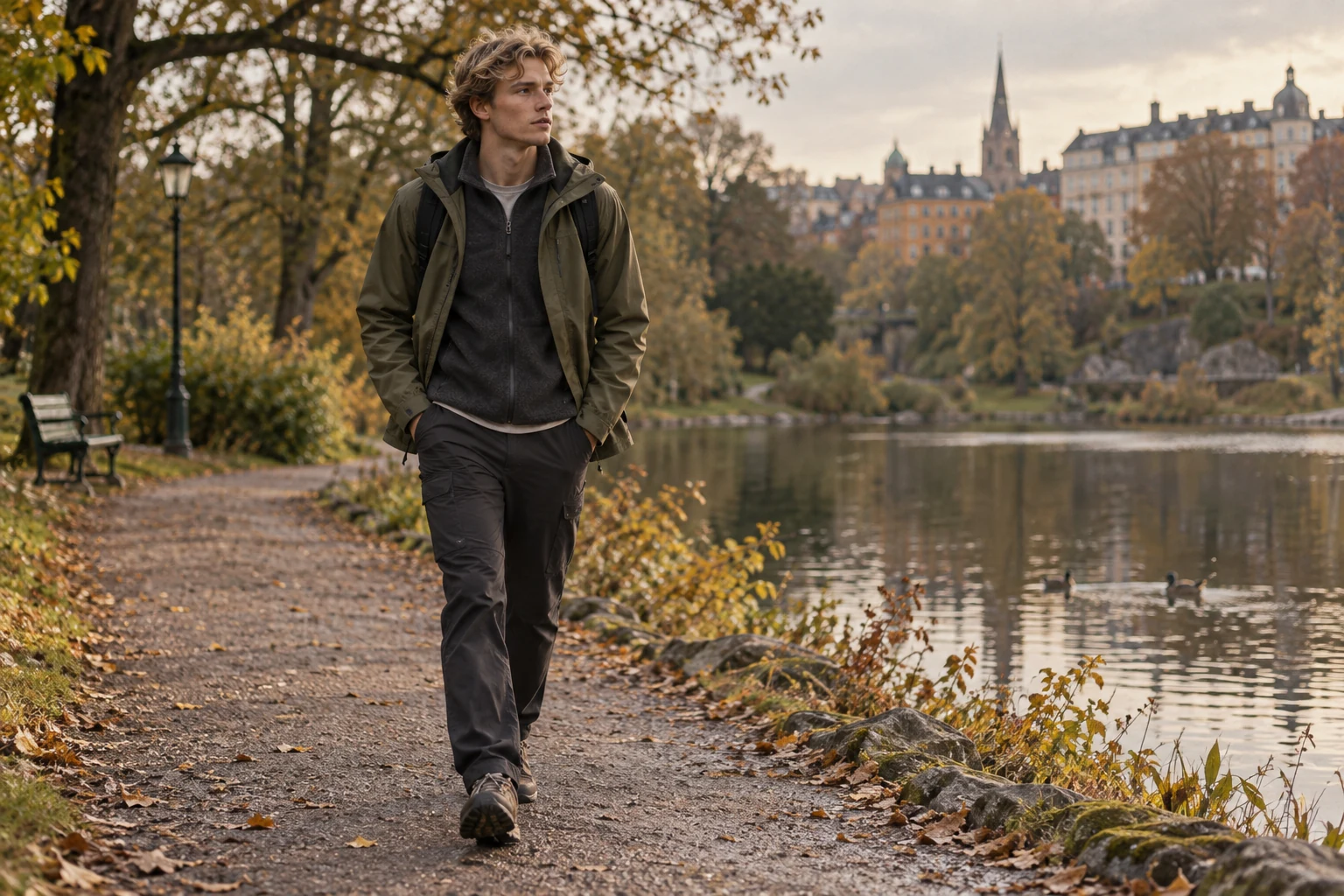
Gorpcore: outdoor gear as everyday style
What gorpcore means, where the name came from, the jackets, fleeces, pants and shoes it is built on, and gorpcore outfits that work in town, not just on the trail.
Styles
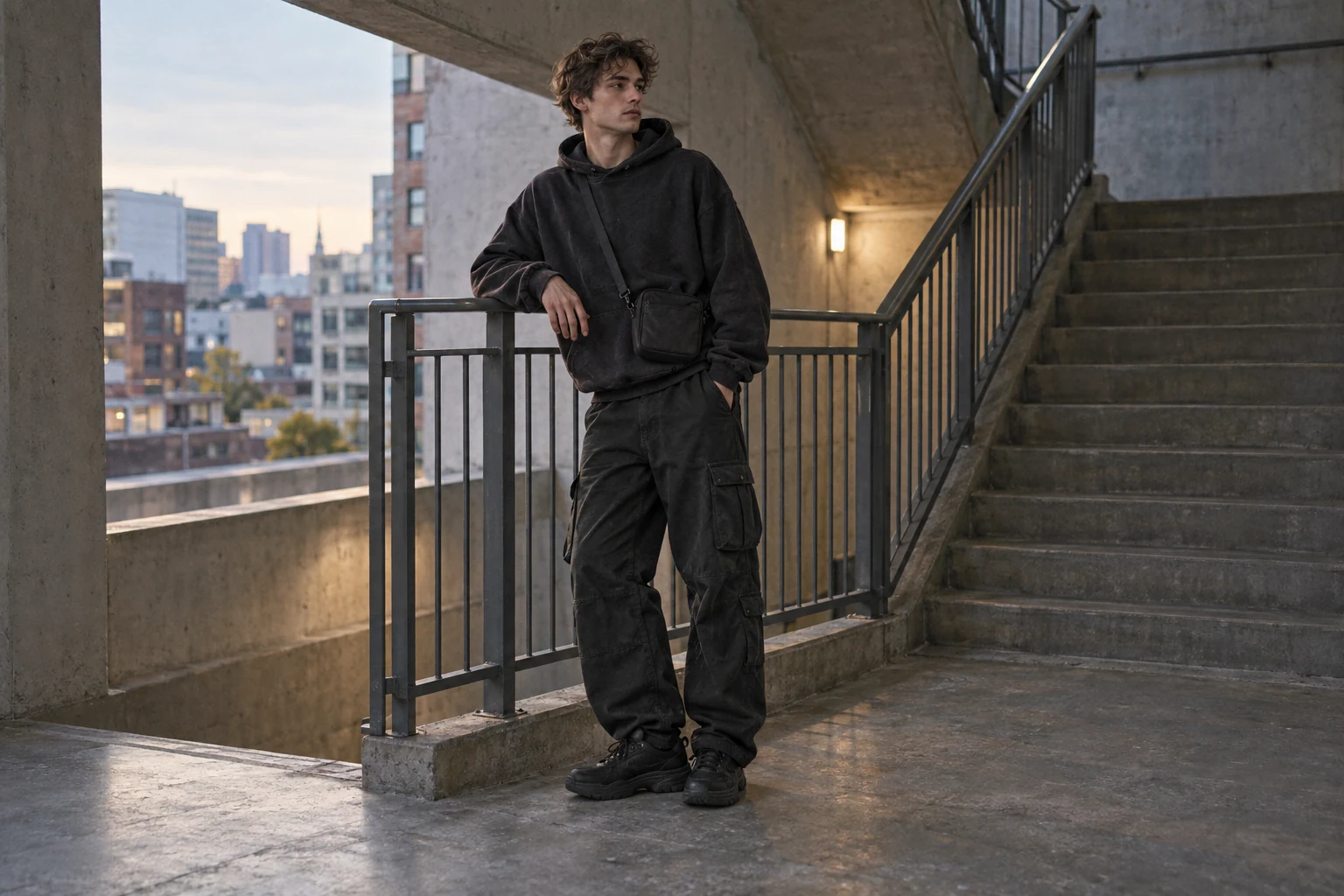
Streetwear style: the pieces, proportions and outfits
What streetwear style is, where it came from, the core pieces and proportions, and streetwear outfits for men and women that look grown up, not like a costume.
Weather
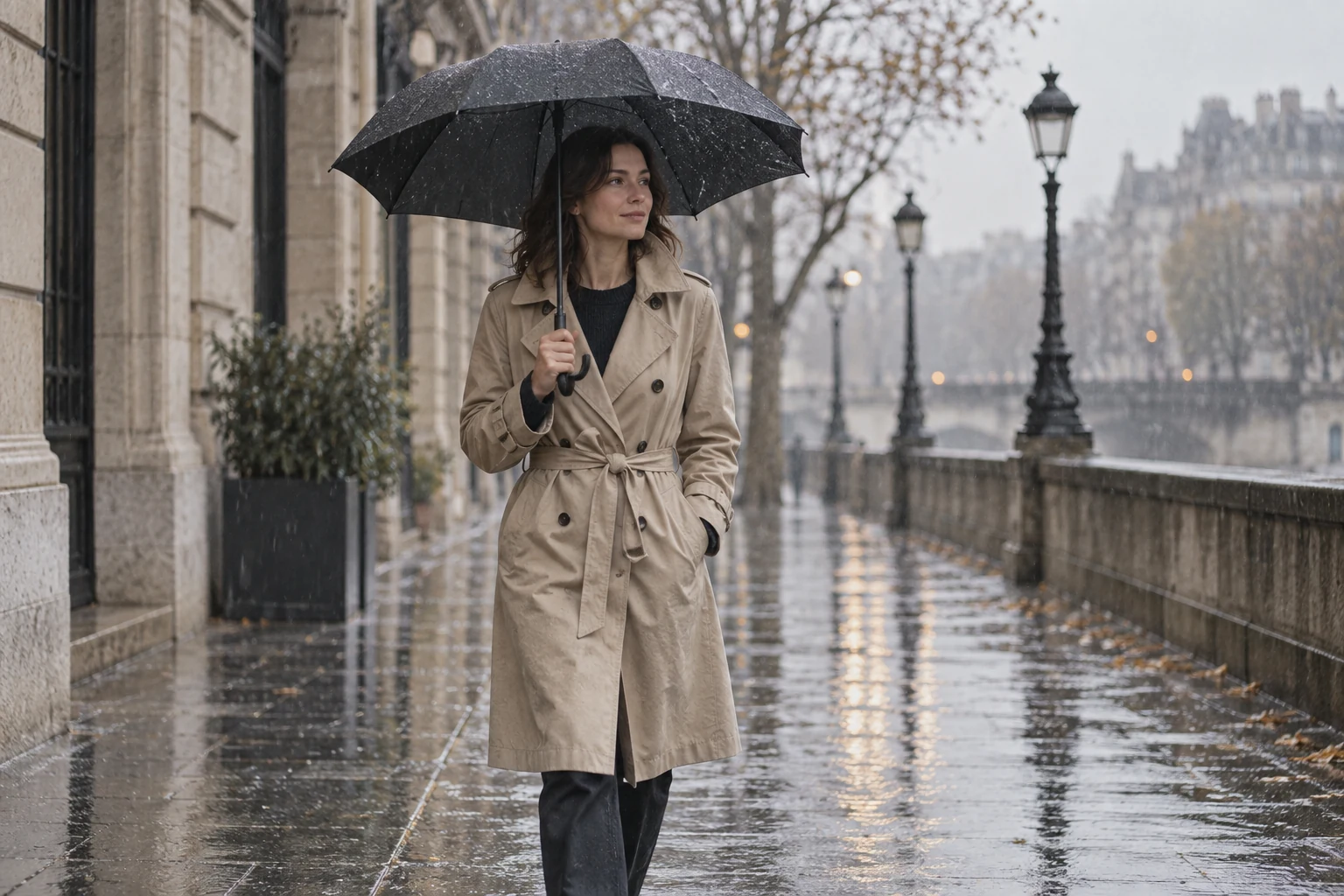
What to wear in the rain, warm or cold
What to wear in the rain to work, on a warm summer day or a cold spring one: choosing a raincoat, pants and shoes that cope with puddles, and outfits that stay dry.
Fabrics
Merino wool: what it is and why it works
What merino wool is, why it feels softer than ordinary wool, where it beats cotton and synthetics, its real drawbacks, and how to wear and wash merino clothing.
Washing and ironing
How to wash a down jacket without ruining the fill
Wash a down jacket at home with a down specific wash, a front loader, low heat and dryer balls. What to check first, how long drying takes and how to fix clumps.