How to wash white clothes and keep them white
In this guide
White shirts and T shirts rarely go dull overnight. They drift: a slight grayness after a few months, a yellow shadow at the collar and underarms, a tee that looks cream next to a new one. By the time you notice, you are looking up how to wash white clothes because the usual load no longer works, and it is tempting to reach straight for the strongest bleach under the sink.
Most dingy whites are a slow buildup of body oil and soil that each wash left behind, and the fix is a routine that removes all of it every time. Bleach has a place in that routine, but a narrower one than most people think, and it carries real safety rules. This guide covers both the everyday wash and the rescue.
Read the label for temperature and bleach
Two symbols matter most for whites. The washtub shows the maximum water temperature, and the triangle tells you about bleach: an empty triangle allows any bleach, a triangle with two diagonal lines allows oxygen bleach but not chlorine, and a crossed out triangle means no bleach at all. GINETEX, the international care labeling association, sets out these meanings, and our guide to reading laundry symbols covers the rest of the label.
Then check the fiber. White cotton and linen tolerate the most heat and, if the label allows, chlorine bleach. White polyester and blends pick up stray dyes easily, as the American Cleaning Institute points out, and do not need hot water. White wool, silk and anything with spandex need gentle care and no chlorine bleach at all; our guide to washing silk covers the delicate route. A white blouse in silk and a white cotton undershirt are both whites, but they should not share a load.
| Fiber | Water | Bleach |
|---|---|---|
| White cotton and linen | Warmest the label allows | Oxygen; chlorine only with an empty triangle |
| Polyester and blends | Warm or cool | Oxygen, following the package |
| Wool | Gentle care | No chlorine; oxygen bleach is not for wool either |
| Silk and spandex | Gentle care | No chlorine |
A triangle with two diagonal lines means oxygen bleach only, and a crossed out triangle means no bleach.
How to wash white clothes in a washing machine
The everyday routine does most of the work. Each step removes a reason whites turn gray.
Wash whites on their own
The American Cleaning Institute recommends washing whites separately from pastels, brights and darks. Even a cream or light gray item can shed enough dye over many washes to tint whites. Keep towels out of shirt loads too, since their lint dulls smooth fabrics.
Pretreat collars, cuffs and underarms
Rub a little liquid detergent into these areas and let it sit for a few minutes before washing. This is where body oils build up first, and it is the main answer to how to wash white clothes with stains: treat the stain before the load, not after.
CheckCheck the guide for the specific stain, since blood and other protein stains want cold water first.
Use the warmest water the label allows
For sturdy cotton whites, warm or hot water removes body oils better than cold, and the Drycleaning and Laundry Institute recommends the hottest water the fabric can take when restoring whites. Synthetics and blends are happier warm or cool. Cold water is fine for lightly worn whites if you use a detergent designed for cold washing.
Use enough detergent and leave room in the drum
Follow the dose on the package for the load size and soil level. The American Cleaning Institute notes that both too much and too little detergent leave clothes less clean, and that clothes need room to move. Graying, according to the Drycleaning and Laundry Institute, usually comes from soil that was never fully removed over many washes.
Check before you dry
Look over collars and stain spots before the load goes in the dryer. Heat can set a stain that survived the wash, so rewash anything still marked. Dry on the setting the label allows, and take whites out promptly.
Oxygen bleach or chlorine bleach
Oxygen bleach, sold as powders or liquids often labeled color safe, is the everyday whitener. The American Cleaning Institute describes it as gentler and suitable for most washable fabrics, best at keeping whites white rather than restoring them, and most effective in warm to hot water. It is still not for wool, and some products exclude silk, so read the package. Adding the recommended scoop to regular white loads is the simplest way to stop yellowing from starting, and our guide to using oxygen bleach covers dosing, soaking times and how to test it.
Chlorine bleach, sodium hypochlorite, is stronger. It disinfects as well as whitens, and it works on white cotton and linen whose label shows an empty triangle. The American Cleaning Institute warns that it damages wool and silk, and the Drycleaning and Laundry Institute adds nylon, rayon and acetate to that list, along with a less obvious drawback: chlorine breaks down the optical brighteners that make new whites look so bright, so overusing it can leave fabric looking yellower over time. It can also intensify rust colored and some sweat related yellow stains. Use it occasionally, diluted and dosed exactly as the bottle directs, never poured straight onto dry fabric.
Bleach safety you should never skip
Never mix chlorine bleach with ammonia, vinegar or any other acid, or with other cleaning products. Chlorine bleach mixed with some household cleaners releases toxic gases; the CDC warns that bleach can release chlorine gas when combined with other products, and the American Cleaning Institute states plainly that bleach and ammonia fumes are hazardous. This matters in laundry because common stain tips call for ammonia on fresh perspiration stains or vinegar on old ones. If you have used either on a garment, rinse it thoroughly in plain water before any chlorine bleach goes near it, and never add vinegar to a load that contains chlorine bleach.
Use bleach with the window open or the fan on, keep it in its original bottle, and store it away from children. If you feel eye, nose or throat irritation while working with cleaning products, leave the room for fresh air. You may also have seen warnings about vinegar and baking soda. Mixing them is not dangerous in the way bleach combinations are; they fizz and largely neutralize each other, which mostly means that using them together in one step does less than using either on its own.
How to get yellowed white clothes white again
Start by working out why the whites yellowed. Even yellowing all over usually means body soil built up over many washes. Patches at the underarms usually come from sweat and antiperspirant, which our guide to removing deodorant and sweat stains treats in detail. Yellowing along fold lines or on the side that faced a window often comes from storage and light; the Drycleaning and Laundry Institute explains that light breaks down fabric brighteners, and that brighteners fade over time, revealing fabric's natural off white tone.
For buildup, soak the whites in warm water with oxygen bleach at the concentration and time the package gives, often several hours, after pretreating collars and underarms with liquid detergent. Then wash them in the hottest water the label allows with a full dose of detergent, and repeat the process if they have improved but are not there yet. Check the result before drying. If a garment stays yellow after two rounds, the fibers themselves or the lost brighteners may be the cause, and no home method will fully reverse it; at that point it is often best retired to sleepwear or a layering piece.
Common mistakes
Using chlorine bleach on everything white
It weakens fibers, yellows spandex and synthetics, strips brighteners and can darken some stains. Keep it for sturdy cotton and linen whose label permits it, and use oxygen bleach for routine brightening.
Washing whites with almost whites
Ivory, pale gray and faded blue items slowly tint a white load, and the change is too gradual to notice until whites look dull. Keep a strictly white basket.
Drying a stained shirt
Dryer heat can make a leftover stain permanent. Always check collars and spots before drying, and air dry anything that still needs another round of treatment.
Questions people ask
Do you wash white clothes in hot or cold water?
Use the warmest water the care label allows for cotton and linen whites, which removes body oils best. Synthetics and delicate whites are better warm or cold. Cold water works for lightly worn clothes with a detergent made for cold washing, but dingy whites usually need warmth.
How do you get whites white again without bleach?
Most dingy whites are carrying old soil, so start there: pretreat collars and underarms, then wash in the hottest water the label allows with a full dose of detergent. The American Cleaning Institute notes that hard water weakens detergent, so a little extra detergent or a water softener helps if your fabrics feel stiff. Baking soda is not a bleach and will not reverse yellowing on its own; our guide to baking soda in laundry explains what it can do.
What is the best detergent for white clothes?
A full strength detergent that contains optical brighteners and enzymes suits cotton and synthetic whites, dosed as the package directs. Adding oxygen bleach to white loads helps keep them bright. Wool and silk whites need a mild, enzyme free detergent instead.
Can I bleach white polyester?
Only if the label shows an empty triangle, and many polyester and spandex labels do not. Oxygen bleach is usually the better choice for white synthetics, which can yellow with chlorine bleach.
Is drying whites in the sun a good idea?
Sunlight can make cotton look fresher, and line drying avoids dryer heat, but light also breaks down brighteners and can weaken fibers with long exposure. An occasional sunny line dry for cotton is fine; bring whites in once they are dry. Our guide to air drying clothes has more on drying outdoors and in.
Sources and further reading
References used for this guide. Each opens the original page in a new tab.
- American Cleaning Institute: laundry basics Opens in a new tab
- American Cleaning Institute: stain removal guide Opens in a new tab
- Drycleaning and Laundry Institute: how white are your clothes Opens in a new tab
- CDC: chlorine chemical fact sheet Opens in a new tab
- GINETEX: care symbols Opens in a new tab
Keep reading
Stain removal
How to remove deodorant and sweat stains
Remove deodorant stains from black shirts, lift yellow sweat stains from white clothes, and prevent armpit stains from building up in the first place.
Washing and ironing
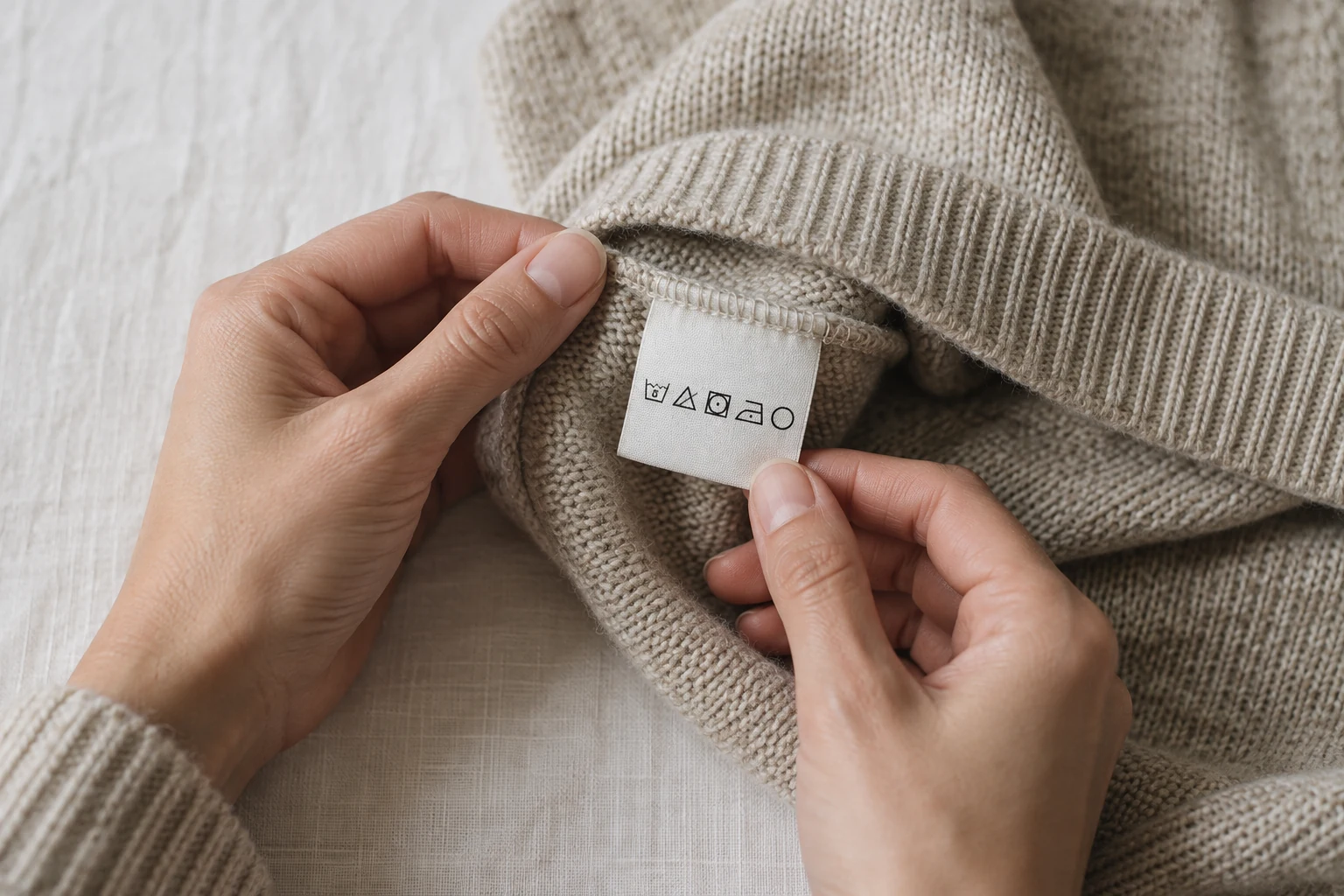
Laundry symbols explained: how to read a care label
What laundry symbols mean, in plain words: the wash tub, triangle, square, iron and circle, plus the dots, bars and crosses that change each instruction.
Shoes and jewelry
How to clean white sneakers by material
How to clean white sneakers at home: a gentle method for leather, canvas and mesh, what to do about soles, laces and yellowing, and why the washer is a last resort.
Stain removal
How to get blood out of clothes
Get blood out of clothes with cold water and an enzyme soak, rescue dried stains on sheets and jeans, and learn which mistakes set blood for good.
Washing and ironing
How to iron a shirt in the right order
How to iron a shirt the way shirtmakers do: set the heat for the fabric, start slightly damp, then work collar, cuffs, sleeves, yoke, back and front in order.