How to layer necklaces without tangling
In this guide
Three necklaces that look lovely one at a time can turn into a mess the moment they go on together. They slide into one clump at the base of your throat, or the pendants knot themselves into a braid by lunchtime. Learning how to layer necklaces is mostly about length and weight: once each chain has its own place on your neck, they stop fighting and start looking like a set.
This guide explains how necklace lengths are measured, how far apart to space them, how to put them on in an order that keeps them separate, and how to match them to what you are wearing. It also covers gold and silver together and the small hardware that helps with tangling. Layering necklaces for men uses the same method, usually with fewer and heavier chains.
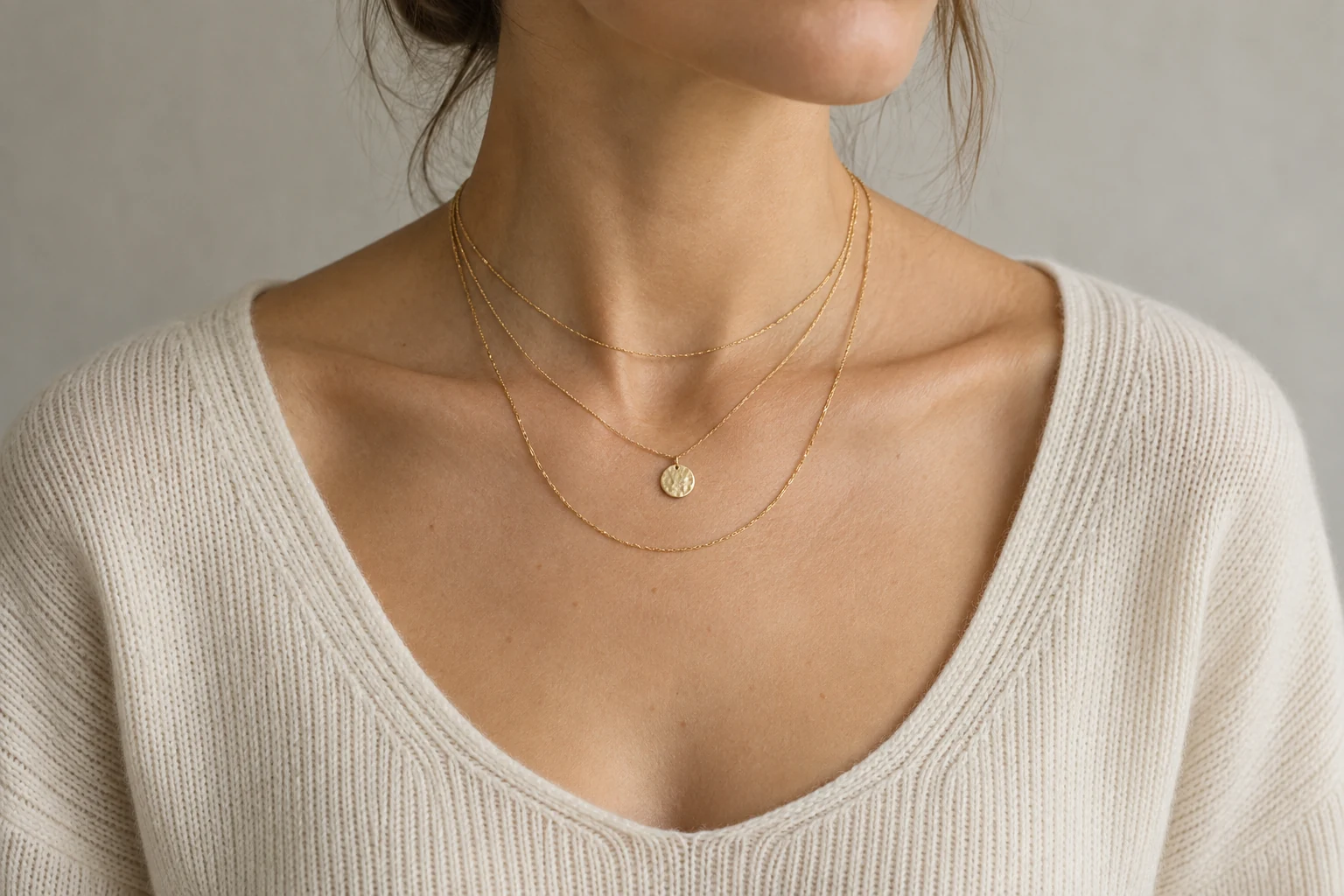
Understand how necklace length is measured
A necklace's length is the full length of the chain from end to end, including the clasp, not how far it hangs down your chest. Pearl Paradise, a pearl retailer, points out that roughly half of that length goes around the back of your neck. That is why a 20 inch chain does not fall anywhere near 20 inches; on most people it rests a few inches below the collarbone.
Common layering lengths are 16, 18, 20 and 22 inches, about 41, 46, 51 and 56 cm. Jewelers give them traditional names, though the boundaries vary by source. Blue Nile describes a choker as roughly 14 to 16 inches, sitting at the base of the neck; a princess length of about 18 inches, resting at or just below the collarbone; a matinee length of about 20 to 24 inches, falling toward the upper bust; and opera and rope lengths beyond that. Your neck and frame change where each one lands. On a fuller neck or broader shoulders, every length sits a little higher than a chart suggests, so measuring with a piece of string at home is more reliable than any chart.
| Name | Length | Where it usually falls |
|---|---|---|
| Choker | About 14 to 16 inches (36 to 41 cm) | Base of the neck |
| Princess | About 18 inches (46 cm) | At or just below the collarbone |
| Matinee | About 20 to 24 inches (51 to 61 cm) | Toward the upper bust |
| Opera and rope | Longer than matinee | Well down the chest, over high necklines |
On a fuller neck or broader shoulders every length sits a little higher, so check with a piece of string.
Space layered necklaces about 2 inches apart
The most useful rule for layering necklaces is the gap. Blue Nile and most layering guides suggest about 2 inches between each chain, for example 16, 18 and 20 inches. At that spacing, each chain has its own band on your neck and the shorter one cannot drop into the longer one. Chains only 1 inch apart tend to sit on top of each other and twist.
Pendants change the math. A pendant adds weight and drop to the chain it hangs on, so a pendant on an 18 inch chain may sit almost where a plain 20 inch chain does. If your second and third necklaces overlap, move the plain chain to a longer length or the pendant to a shorter one. Adjustable chains with an extender, which many layered necklace sets include, make it easy to fine tune the spacing once everything is on.
How to layer necklaces in the right order
Lay the necklaces out on a flat surface first, shortest at the top, so you can see the arrangement and untangle anything before it goes on. Then work in front of a mirror, in the top you plan to wear.
Start with the shortest chain
Fasten the shortest, finest chain first. It sits closest to your neck and is the one you will line the others up against.
CheckCheck that it lies flat without twisting.
Add the middle layer
Put on the next length, usually the one with a small pendant. Look at the gap between the two: you should see a clear band of skin or fabric between them, about 2 inches at the front.
Finish with the longest or heaviest
Add the longest chain last. Blue Nile suggests keeping it slightly bolder, since a heavier piece at the bottom anchors the set and helps the lighter chains above hang straight.
Turn the clasps to the back
Rotate each necklace so its clasp sits at the back of your neck. Clasps that drift forward pull the chains toward each other and are often where twisting starts. Move your head and shoulders, then check the spacing once more.
Mix weight and texture, and decide on gold, silver or both
A layered set looks deliberate when the chains are clearly different from each other. A common arrangement is a fine chain at the top, a pendant in the middle and a slightly bolder chain or longer pendant at the bottom. One focal pendant is usually enough; two large pendants on neighboring chains compete and tangle. Varying the texture, such as a smooth snake chain next to a cable or paperclip chain, adds interest while keeping the metal consistent.
Layering necklaces in gold only or silver only is the simplest approach, and Blue Nile recommends keeping metal tones consistent for a polished look. Mixing metals is a matter of taste rather than a rule. It tends to look intentional when the mix repeats somewhere else, such as in a watch or rings, or when one piece already combines both metals. Silver tarnishes over time, and one darkened chain next to two bright ones makes the whole set look uneven. Our guide on cleaning silver jewelry covers the safe methods.
Match the layers to your neckline
The neckline sets how much room the necklaces have, and our overview of necklines shows the common shapes. With a crew neck or other high neckline, Pearl Paradise suggests longer lengths, matinee or beyond, so the chains lie over the fabric instead of disappearing into the collar. With an open neckline, a V neck or a scoop, shorter layers sit within the opening and frame it. An open collar shirt with a button or two undone works well with short layers that stay inside the collar.
Think about the occasion too. Fine gold or silver layers are easy to wear to work, and our guide to business casual for women covers what most offices expect. For an evening event, one striking layer may say more than four fine ones; our guide to cocktail attire for women covers the rest of the outfit. Turtlenecks take the neckline rule furthest: only long chains worn over the knit show at all.
Stop layered necklaces from tangling
Spacing and weight solve most tangling, but hardware helps with the rest. A necklace layering clasp, also sold as a detangler or necklace spacer, is a small bar or tube with two or three rings. You attach each necklace's clasp to its own ring, shortest at the top, and the set then opens and closes as one piece. Oh My Clumsy Heart, a jewelry maker that sells these clasps, notes they need at least a 2 inch difference between chains to work. A side benefit is that the small clasps on each chain are no longer opened and closed every day. Without a special clasp, some people connect the necklaces to each other instead, hooking the clasp of the shortest chain through the end ring of the next. It holds the backs together in a pinch, but it also pulls the chains toward one another, so the spacing at the front needs checking afterward.
Among the common necklace clasp types, lobster clasps are generally the most secure for everyday layering, spring rings are small and common on fine chains, toggles are easy to fasten but can slip around to the front, and magnetic clasps are easy to open but can separate under a snag. To store a layered set (our guide to storing jewelry covers the options), hang the chains separately or lay them flat, and fasten each clasp so the ends cannot thread through each other. A tangled pile in a drawer is much harder to fix than one knot on your neck.
Common mistakes
Choosing chains too close in length
Chains 1 inch apart sit on top of each other and twist. Keep about 2 inches between each, or use an extender to create the gap.
Putting two heavy pendants side by side
Two large pendants on neighboring chains swing into each other and knot. Keep one focal piece and let the other chains be plain.
Ignoring the neckline
Short chains vanish under a crew neck collar and long ones can look lost in a deep V. Choose the lengths with the top you are wearing.
Questions people ask
How many necklaces should you layer?
Two or three is the most common and easiest to keep in order. Four or more can work with very fine chains, but each additional layer needs its own space and makes tangling more likely.
What is an easy layered necklace set for beginners?
Start with two pieces you may already own: a plain fine chain of about 16 inches and a small pendant on an 18 inch chain. The difference in length and the single focal point keep them apart and make them easy to wear with most necklines. Once that feels natural, add a slightly bolder chain at 20 inches as the third layer.
Can you mix gold and silver necklaces?
Yes, it is a matter of taste. Mixing tends to look deliberate when the combination repeats in another piece, such as a two tone watch or rings, and when the chains differ clearly in length and weight.
Do necklace layering clasps really work?
They keep the chains in order at the back of the neck, which stops most twisting that starts at the clasps. They need chains of clearly different lengths, usually at least 2 inches apart, and they will not stop pendants tangling at the front.
How do men layer necklaces?
With the same method. Chain layering is a staple of streetwear, usually with two chains rather than three and slightly heavier links. Because men's chains are often a little longer and sit lower, pair one chain with another about 2 to 4 inches longer so the two do not overlap.
Sources and further reading
References used for this guide. Each opens the original page in a new tab.
Keep reading
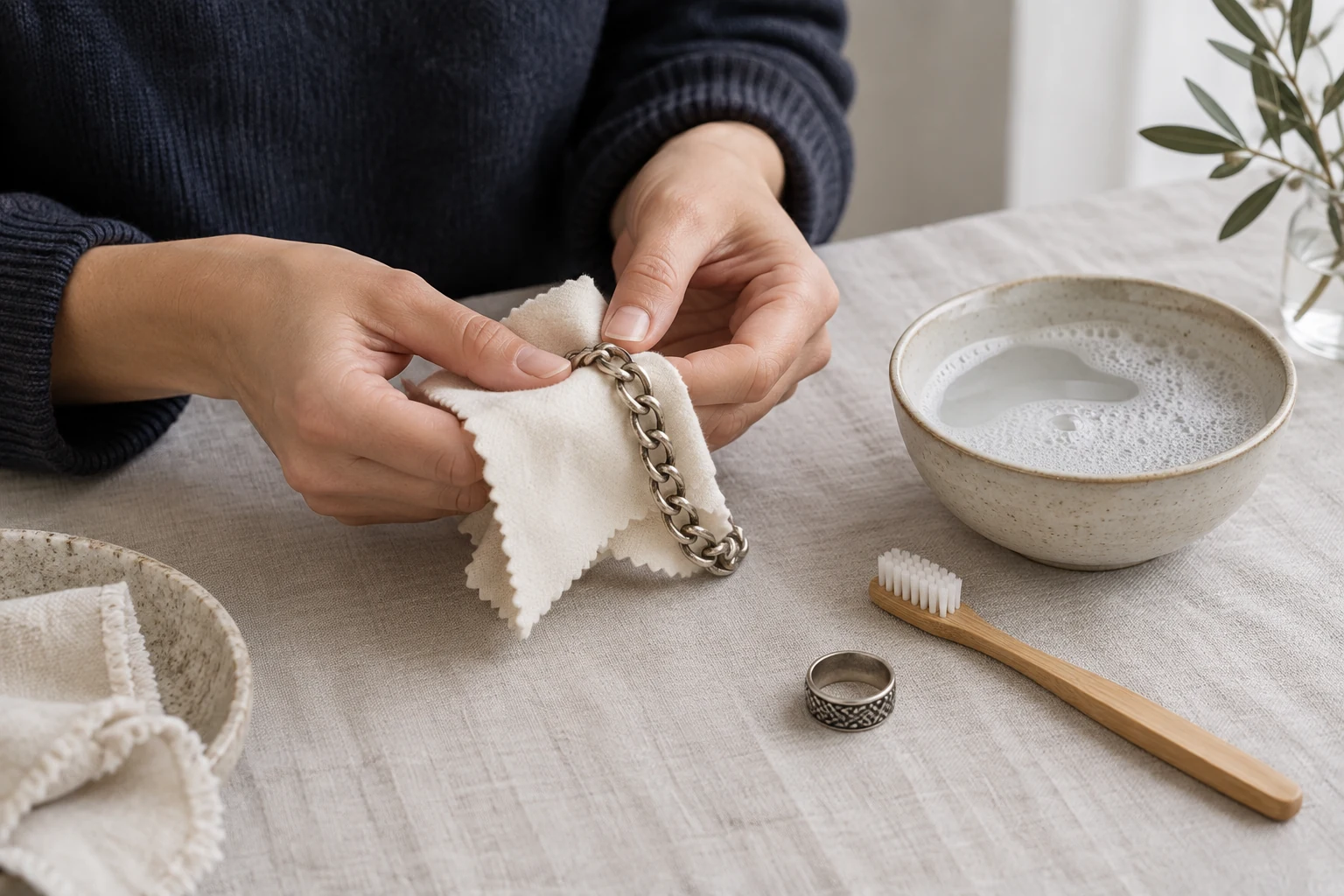
Shoes and jewelry
How to clean silver jewelry at home, gently
How to clean silver jewelry at home, gentlest method first, with care for pearls, stones and plated pieces, a short gold section, and simple ways to prevent tarnish.
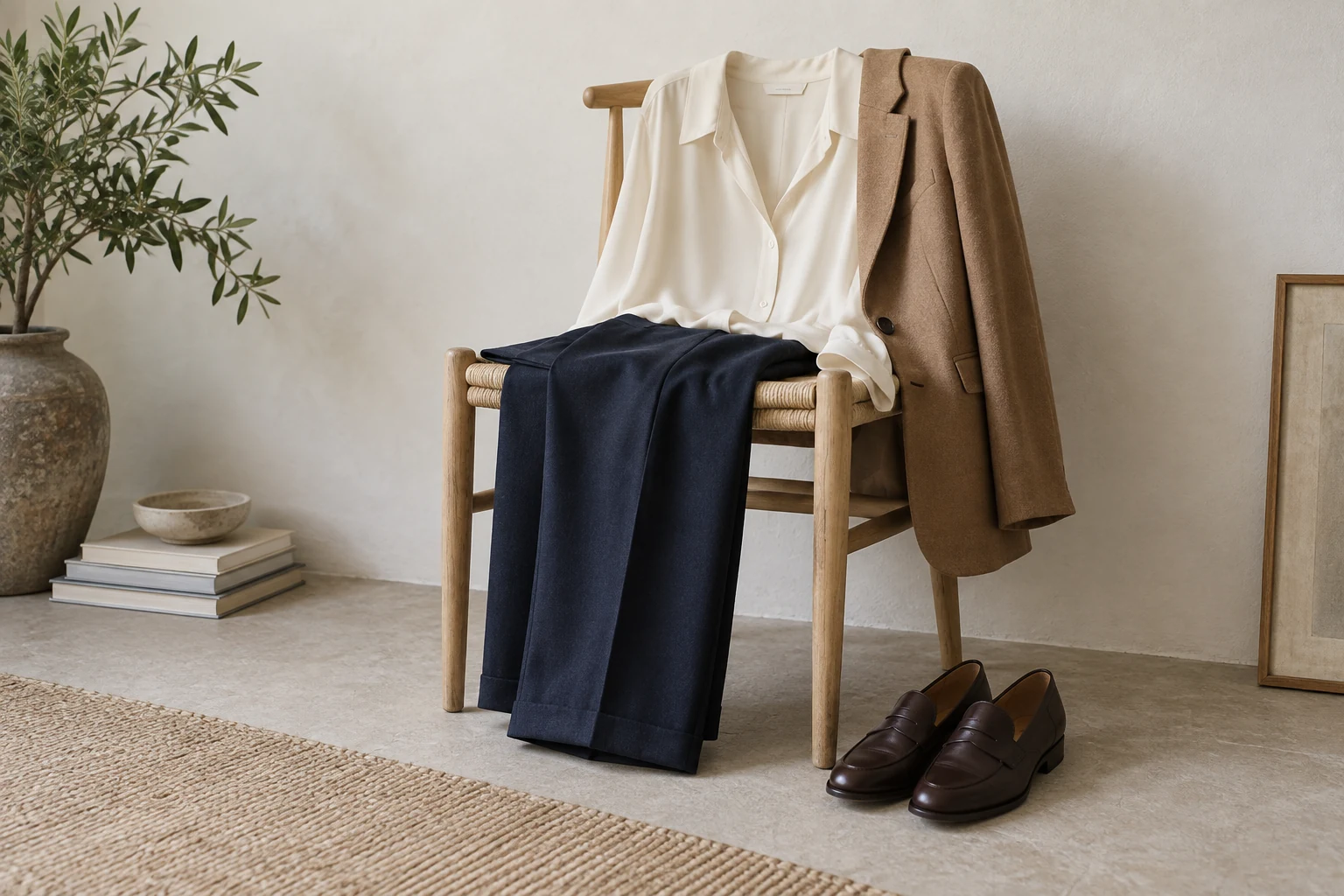
Dress codes
Business casual for women: what to wear to work
What business casual means for women at work: trousers, skirts, dresses, knitwear and shoes, with outfit formulas, what to avoid and how to read your office.
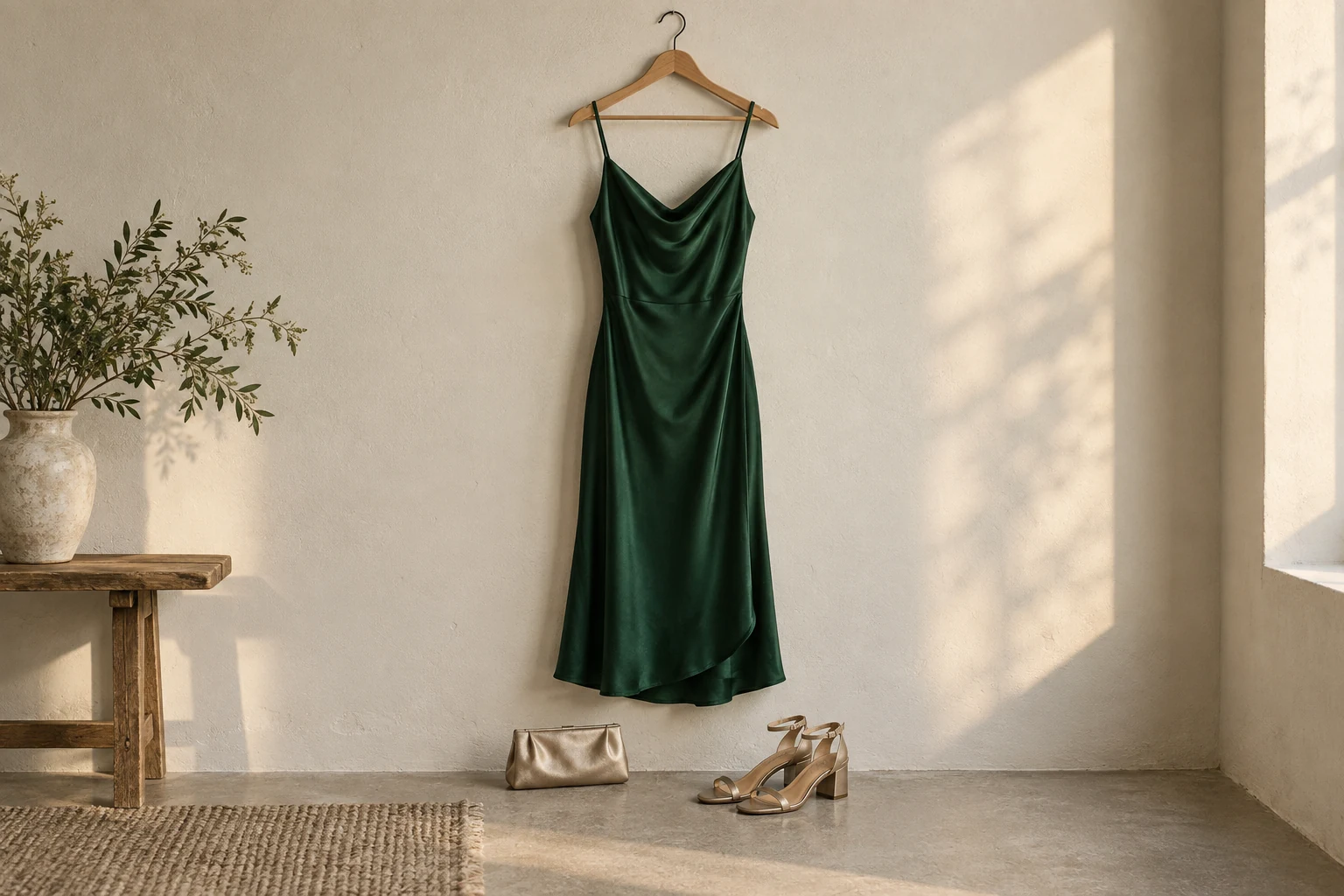
Dress codes
Cocktail attire for women: what to wear
What cocktail attire means for women: dress lengths, fabrics, jumpsuits and tailored sets, shoes and bags, and how the invitation, venue and season change it.

Everyday style
How to find your personal style, starting with your closet
How to find your personal style by studying the clothes you already wear most: what to notice, how to keep simple notes, and when a style quiz actually helps.