How to measure sleeve length for shirts and jackets
In this guide
Sleeves are the part of a shirt or jacket that gives away a poor fit fastest: cuffs that disappear up the forearm when you reach for something, or fabric bunching over the hand. Knowing how to measure sleeve length fixes most of that before you order. The catch is that there are two different measurements, and a size chart rarely says which one it uses unless you look at the little diagram.
Men's dress shirts are measured from the center of the back of the neck. Jackets, coats and most women's clothing are measured from the shoulder. This guide shows how to take each on your own body, how to measure a garment you already like instead, and how to tell whether a sleeve is right once it is on.
Which sleeve measurement you need
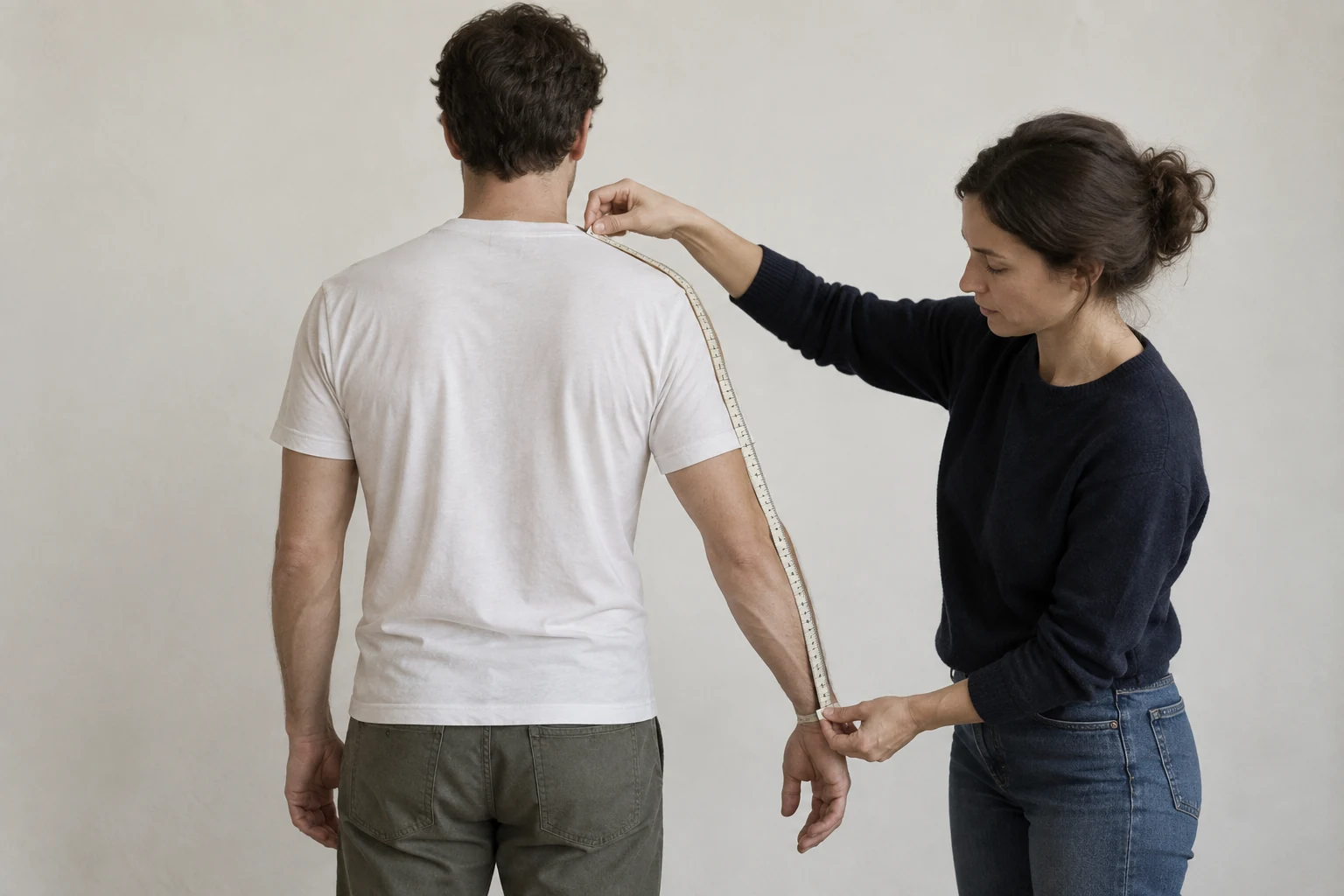
A dress shirt size such as 15.5 34/35 includes a sleeve length taken from the center back of the neck to the wrist, so it covers half the width of your back as well as your arm. Shirt makers use it because the shoulder seam on a shirt sits in slightly different places from brand to brand, and starting at the spine gives one number that works regardless. Most adult men land somewhere between about 32 and 37 inches (81 to 94 cm).
Jackets, suits, coats, and most women's blouses, sweaters and dresses measure from the shoulder point, the bony tip at the outer edge of the shoulder where a set in sleeve seam sits, down to the wrist. That number is much shorter, often in the low to mid 20s in inches for men. The two are related by simple geometry: center back sleeve length is roughly shoulder to wrist plus half your shoulder width. If a chart only says sleeve, look at the diagram or the starting point written beside it before you compare it with your own number.
| Method | Starts at | Used for | Typical number |
|---|---|---|---|
| Center back | Base of the neck, at the spine | Men's dress shirts | About 32 to 37 inches (81 to 94 cm) |
| Shoulder point | Outer tip of the shoulder bone | Jackets, suits, coats and most women's tops | Low to mid 20s in inches for men |
| Flat garment | Center back collar or shoulder seam | Checking a piece you already like | Match the chart's starting point |
Center back length is roughly shoulder to wrist plus half your shoulder width.
How to measure sleeve length for a shirt
Use a soft sewing tape, wear a thin T shirt or nothing on top, and ask someone to help if you can, because reaching round to the back of your own neck skews the reading. If you have no tape, a piece of string marked with a pen and then laid along a ruler works.
Stand naturally
Let your arms hang at your sides with a very slight bend at the elbow. Makers disagree a little here: some measure with the arm straight down, others with a slight bend or with the hand on the hip. A slight bend adds a little length so the cuff does not ride up when you move, so use it unless the chart you are ordering from says otherwise.
Find the center back of the neck
Your helper places the end of the tape on the bony bump at the base of your neck, in line with your spine, where a shirt collar seam would sit. Starting on the collar instead of at the spine makes the result too short.
Go over the shoulder, not behind it
Run the tape across the top of the shoulder to the shoulder point. Keep it on top of the shoulder rather than angled down across the shoulder blade, which adds length that is not there.
Follow the outside of the arm to the wrist bone
Continue down the outside of the arm, over the elbow, to the prominent wrist bone on the little finger side. Stop there rather than continuing onto the hand. Read the tape and round to the nearest half inch; if you land between sizes, choose the longer one, since a slightly long cuff can be held by the wrist while a short one cannot be fixed.
How to measure sleeve length from the shoulder for jackets and blouses
For a suit jacket, blazer, coat or most women's tops, place the tape on the shoulder point, the outer tip of the shoulder bone that you can feel when you lift your arm slightly. Run it down the outside of a relaxed, slightly bent arm, over the elbow, to the wrist bone. That is your sleeve length for charts that use this method. A jacket sleeve is usually cut to end a touch shorter than the shirt sleeve, so that about a quarter to half an inch (roughly 1 cm) of shirt cuff shows below it.
Sleeve length measurement for women follows the same shoulder method on most charts, and many women's size guides list arm length or sleeve length under that name. Because women's tops are made in more shapes, the style changes what the number means: a dropped shoulder sleeve starts well below the shoulder point, a raglan sleeve starts at the neckline, and a three quarter sleeve is meant to end above the wrist. Our guide to types of sleeves explains those shapes, and for knitwear and loose tops the listed sleeve length is often less reliable than measuring a similar piece you already own.
How to measure sleeve length yourself
The shoulder method is easy alone: hold the end of the tape on your shoulder point with the opposite hand, let the tape fall down your arm and read it at the wrist bone in a mirror. The center back method is harder, because you cannot see or easily reach the starting point. Tape the end of the measuring tape to the back of your neck with a piece of masking tape, or measure shoulder point to wrist and add half of your shoulder width, which you can measure across your back from one shoulder point to the other.
The more reliable solo method is to skip your body and measure a garment whose sleeves you already like, which is also what many makers recommend. It captures your preferences, not just your bones. Measure both arms if you are having something made, since arms often differ slightly, and use the longer one for ready to wear.
How to measure the sleeve of a shirt you own
Pick a shirt or jacket that fits you well in the sleeves and lay it flat on a table, buttoned, with the sleeve smoothed out along its length and no wrinkles in the fabric.
For shirts, start at the center back
Turn the shirt face down. Find the center of the collar seam at the back and measure along the yoke to the shoulder seam, then straight down the sleeve to the end of the cuff. Add the two parts if the tape cannot bend easily. This matches the number on a dress shirt label.
For jackets and tops, start at the shoulder seam
Measure from the point where the sleeve meets the shoulder, along the top of the sleeve, to the edge of the cuff. Keep the tape along the outer fold rather than the underarm seam, which is much shorter.
Compare like with like
Hold your number against the maker's chart, checking that they measure from the same starting point. Some makers measure a flat garment from shoulder seam to cuff even for shirts, which is often more consistent because it separates the sleeve from the width of the back.
Where a sleeve should end
With your arms hanging relaxed, a long shirt sleeve should reach the wrist bone or just past it, near where the wrist meets the hand, and stay at the wrist when you bend your arm or reach forward. A jacket sleeve should end slightly shorter so a sliver of shirt cuff shows. Our guides on how a dress shirt should fit and how a suit should fit cover the other checkpoints, including collar and shoulders.
If a sleeve is wrong, remember what can be fixed. Jacket sleeves are easy for a tailor to shorten and can be lengthened only by the fabric folded inside, and working cuff buttonholes make both harder. Dress shirt sleeves can be shortened at the cuff but not lengthened. For casual shirts that are a little long, rolling the sleeves is often a better answer than alteration, and our guide to dress shirt sizes explains how sleeve length combines with neck size.
Common mistakes
Measuring a straight, locked arm
A rigid arm gives a slightly short number, so sleeves pull back when you reach. Keep the elbow relaxed or very slightly bent.
Mixing up the two methods
A 34 inch shirt sleeve and a 25 inch jacket sleeve can describe the same arm. Check where the chart starts before comparing numbers.
Measuring along the underarm seam
On a garment laid flat, the underarm seam is several inches shorter than the outer sleeve. Always measure along the top of the sleeve.
Questions people ask
What does 34/35 mean on a dress shirt?
It is the sleeve length in inches, measured from the center back of the neck to the cuff. A paired size means the shirt is cut to fit anyone who measures 34 or 35 inches, usually with a little extra length and two cuff button positions.
Do you measure sleeve length from the shoulder or the neck?
Dress shirts are measured from the center back of the neck. Jackets, coats and most women's clothes are measured from the shoulder point. The chart's diagram tells you which one it uses.
Should I bend my arm when measuring sleeve length?
A slight bend is the common approach, because it adds the small amount of length your arm needs when you move. Some makers measure with the arm straight at the side, and bespoke tailors may bend it further, so follow the instructions on the chart you are ordering from.
How do I convert shirt sleeve length to jacket sleeve length?
Subtract roughly half your shoulder width, measured across the back from shoulder point to shoulder point. For example, a 34 inch shirt sleeve on someone with an 18 inch shoulder width suggests about a 25 inch jacket sleeve. Treat that as an estimate and check the jacket's own chart.
Sources and further reading
References used for this guide. Each opens the original page in a new tab.
- Free Country: how to measure sleeve length from the back of the neck Opens in a new tab
- DeoVeritas: how to measure a shirt you already own Opens in a new tab
- Nathan Tailors: measuring sleeve length for shirts, suits and jackets Opens in a new tab
- Nimble Made: three steps to measure sleeve length Opens in a new tab
- Suitsupply: how a suit should fit, including sleeve length Opens in a new tab
Keep reading
Suits and tailoring
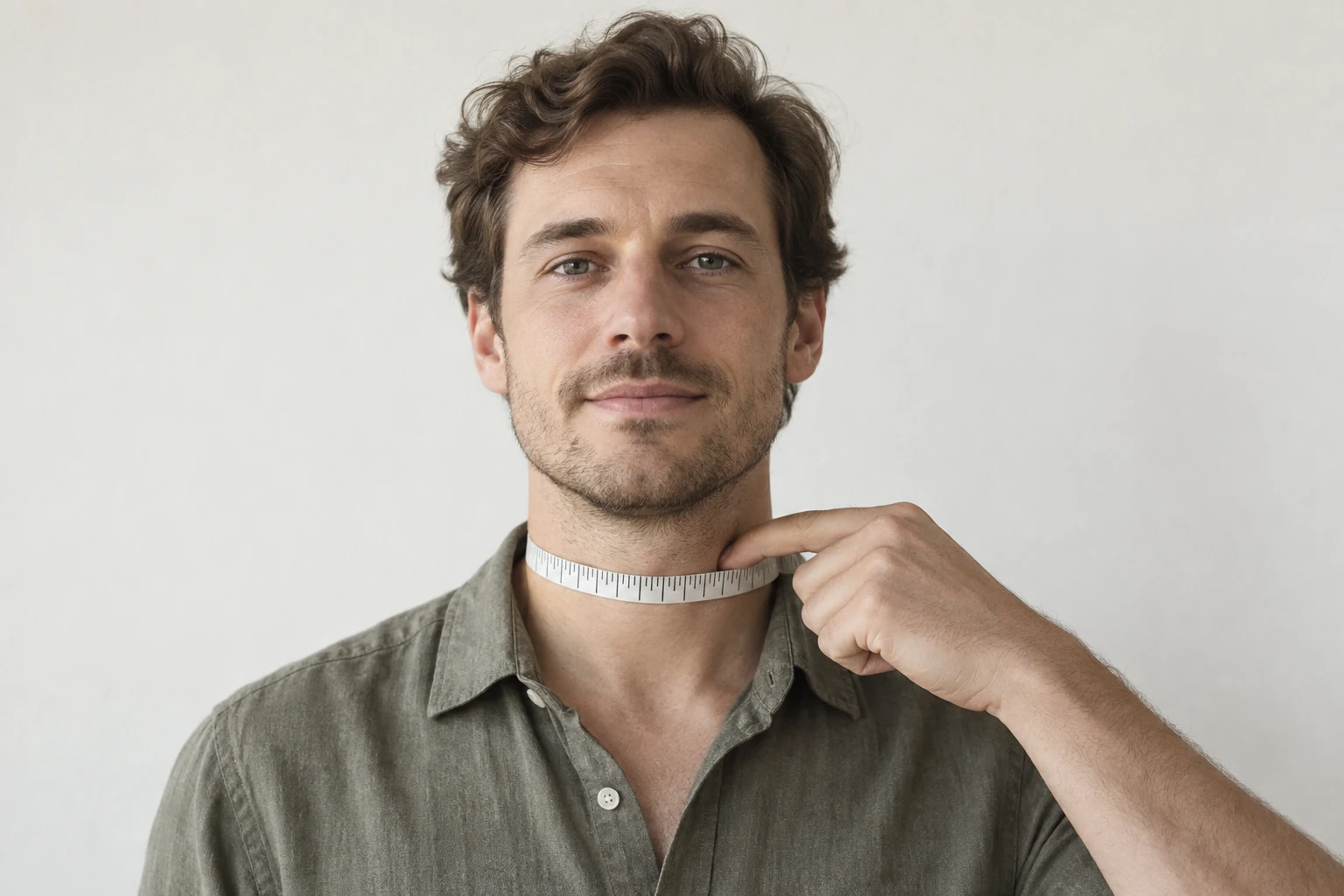
How to find your dress shirt size: neck and sleeve
Read any dress shirt size chart with confidence: how to measure your neck and sleeve, what 15.5 34/35 means, how to check a collar, and slim vs classic fit.
Sizing
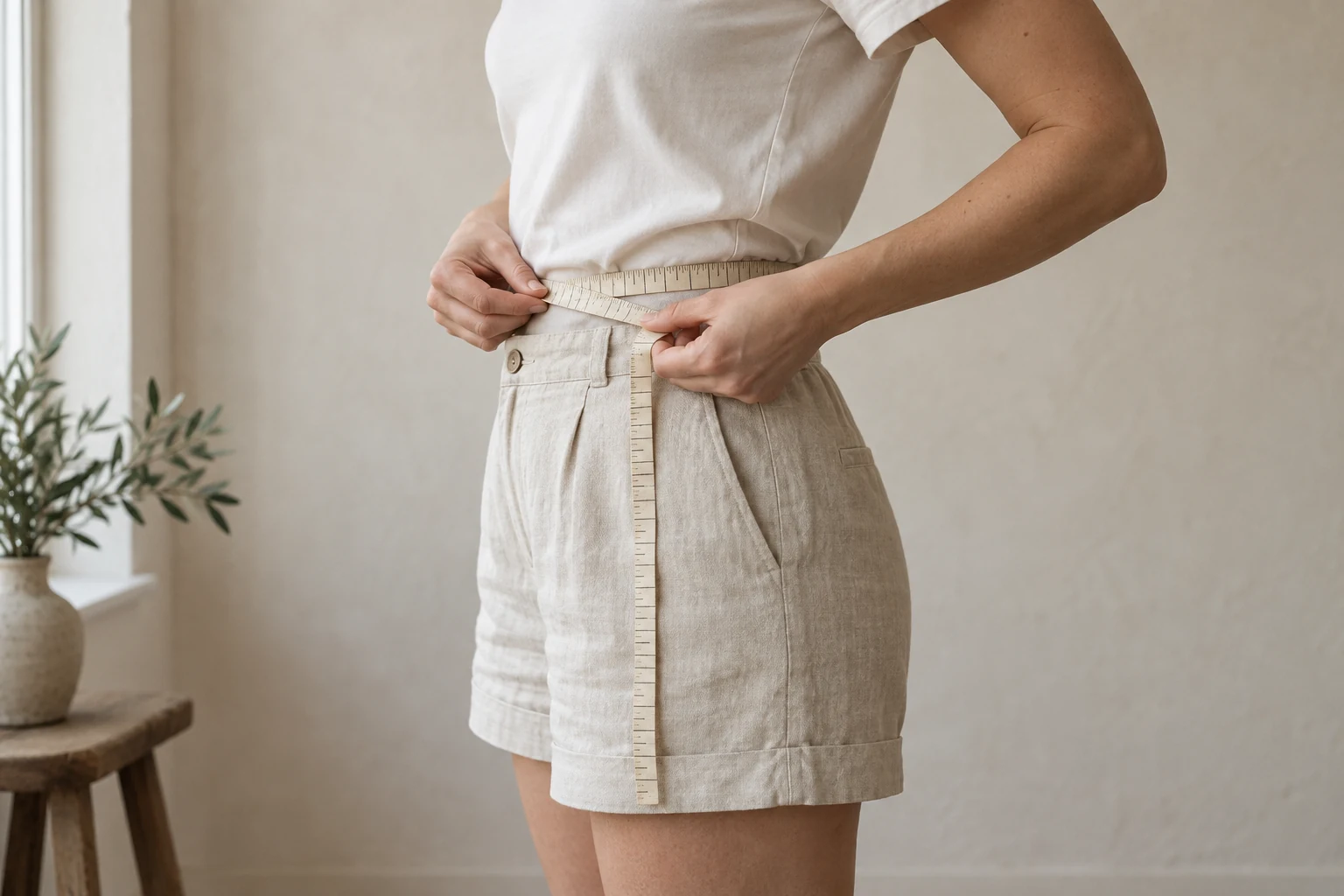
How to measure your waist and hips for clothes
Where your waist really is, how to measure your waist and hips accurately, how pants and jeans sizing differs, and how to read a size chart before you order.

Suits and tailoring
How a dress shirt should fit: collar to cuff
How a dress shirt should fit at the collar, shoulders, chest, waist, sleeves and hem, what slim and classic fit mean, and which problems a tailor can fix.

Suits and tailoring
How a suit should fit: shoulders, sleeves and length
How should a suit fit? Check the shoulders, collar, button, jacket length, sleeves and trousers in the mirror, and learn which problems a tailor can and cannot fix.
Everyday style
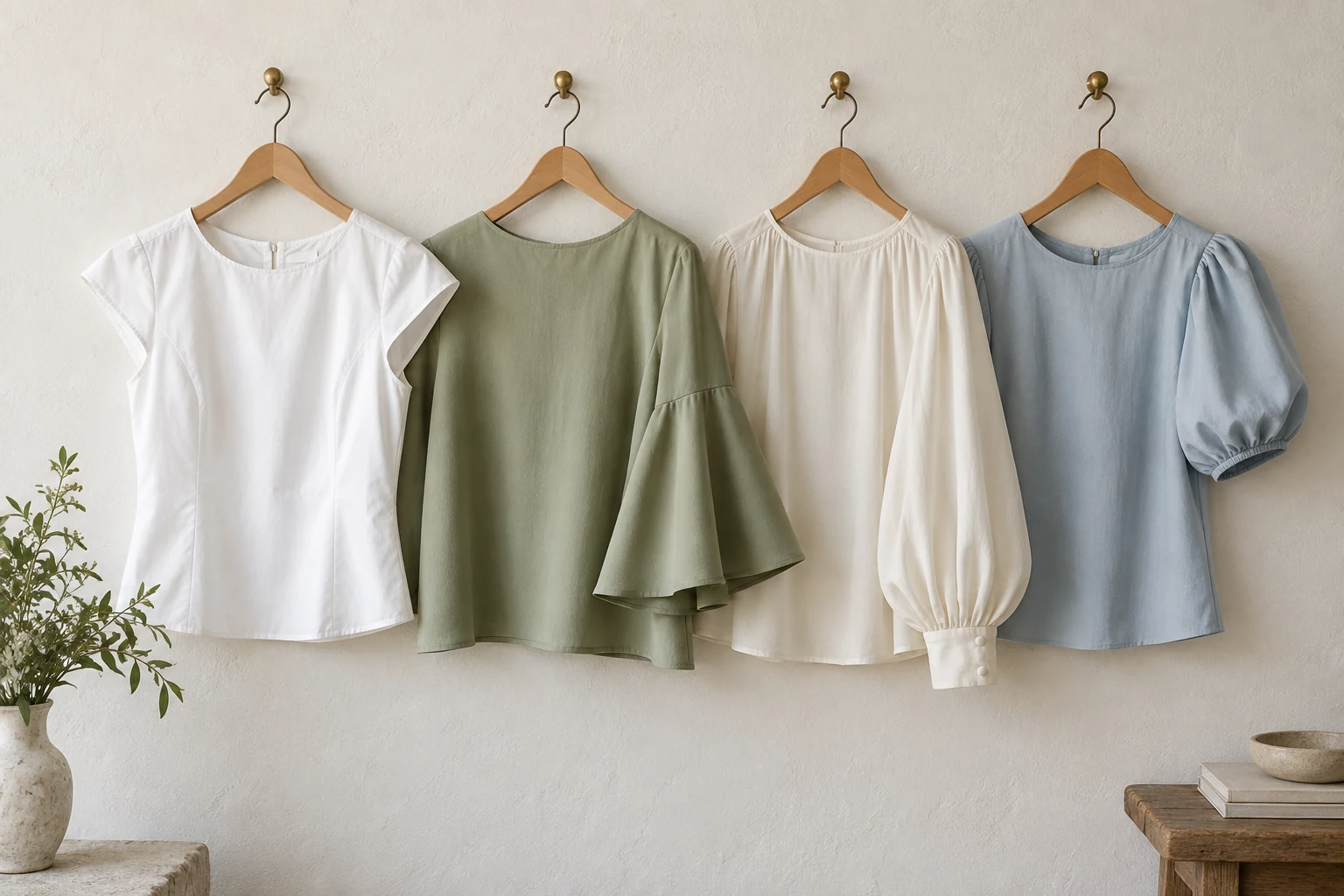
Types of sleeves, from cap to bishop
The main types of sleeves explained: set in, raglan and kimono construction, sleeve lengths, and full shapes like bell, bishop, puff and batwing, with styling tips.