How to find your personal style, starting with your closet
In this guide
On an ordinary Tuesday, the same jeans and the same two sweaters come out again. Meanwhile there is a folder of saved outfits on your phone, a find my style quiz or two behind you, and a few pieces meant to change everything still hanging with the tags on. Learning how to find your personal style usually starts right there, with the clothes you already choose when nobody is watching.
Personal style is not a costume you have to discover somewhere else. It is the pattern in what you wear, why you wear it and how you wear it, made a little more deliberate. The method below is mostly observation and note taking. Buying comes last, if at all.
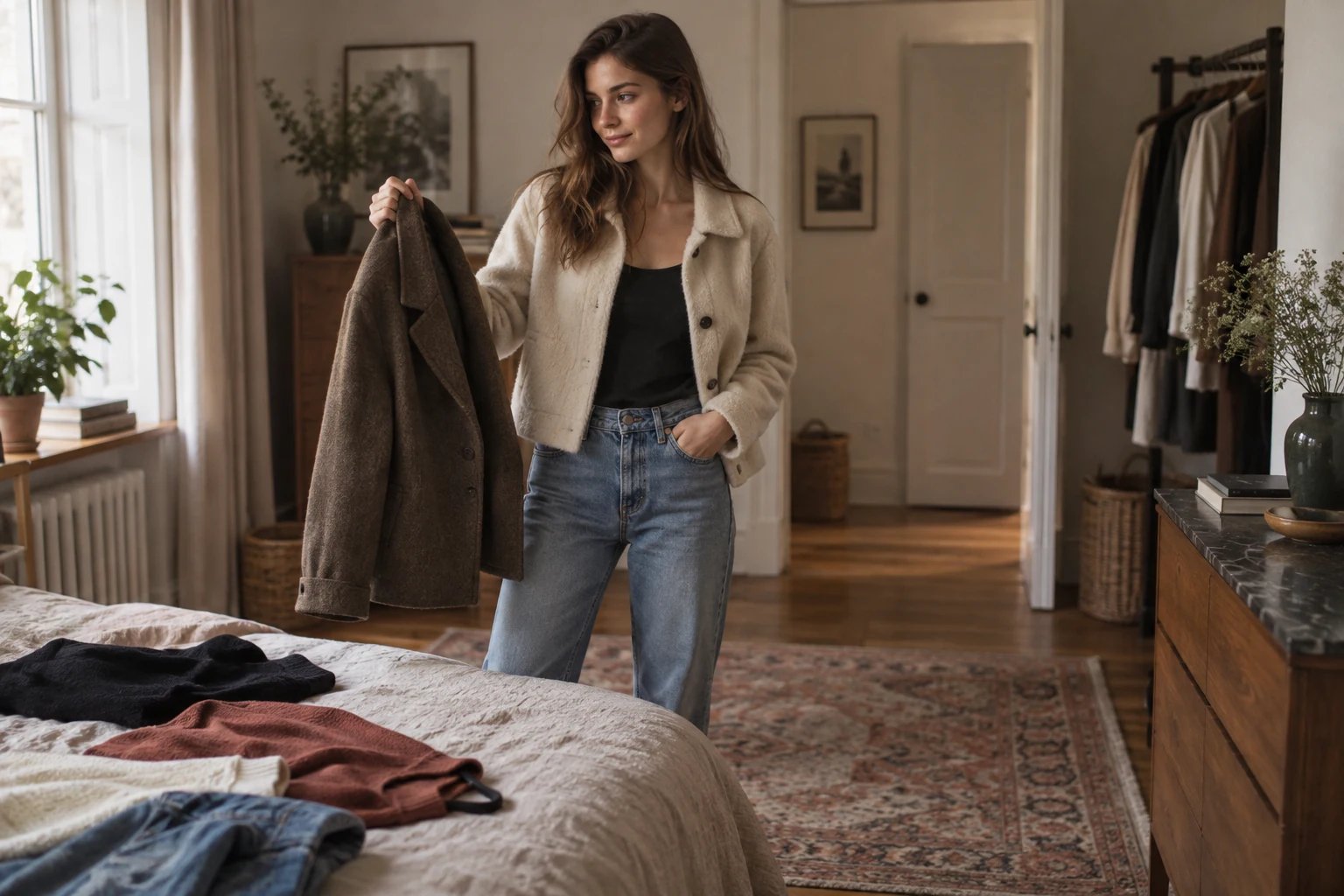
Start with the clothes you wear most
Pull out the ten or so pieces you have worn most this season and lay them on the bed. Be honest; include the old sweater and the unexciting trousers. Then look for what they share. Are they mostly one or two colors? Soft or crisp fabrics? Close fitting or relaxed? Dressier than your daily life requires, or more casual? Write down every pattern you notice, even the small ones, such as always choosing a round neck or always having a pocket.
Do the same, briefly, with the pieces you never wear. The reasons are usually concrete: the fit is uncomfortable, the fabric itches, it needs special care, it suits a life you do not lead. Those reasons are as much a part of your style as your favorites, because they mark its limits. If a silk shirt you love stays in the closet because you worry about washing it, that is a care problem with an answer, and our guide to washing silk may bring it back into rotation. If a piece just is not you, our guide to decluttering your clothes can help you let it go without guilt.
Keep an outfit log for two weeks
Memory is a poor record of what you wear. For two weeks, take a quick photo of each outfit and add one line: where you went, how it felt by the end of the day and anything you changed. Keep it short enough that you actually do it. A notes app is enough, or a digital wardrobe app such as Snaza on iPhone, where you photograph the pieces you own, save looks and keep notes with each piece. Our guide to making a digital wardrobe explains how to set one up with any tool.
At the end of the two weeks, read the notes in one sitting. Patterns that were invisible day to day become obvious: the jacket that went with everything, the shoes you changed out of by lunch, the outfit that made you feel most like yourself at a dinner. Pay particular attention to the days you felt good without thinking about clothes at all. Those outfits are your style at its most natural, and they are more reliable evidence than any image you saved.
Put your style into three words
The stylist Allison Bornstein popularized a simple way to turn observations into direction: describe your style in three words. She suggests looking at outfits that felt most like you and the pieces you wear most, writing down descriptive words, and keeping the three that apply across your favorite looks. The words can pull in different directions, such as relaxed, sharp and warm, and that tension is often what makes a style personal instead of generic.
The words do two jobs. They describe what already works, and they act as a filter for what comes next: before you buy or keep something, ask whether it fits at least one of the words without contradicting the others. The meanings are yours. Classic might mean navy and white to one person and a well worn leather jacket to another, so write a short note beside each word saying what it looks like in your own closet.
Use inspiration and style quizzes as prompts
Saved images and style quizzes can help, as long as you treat them as prompts rather than verdicts. When you look through saved outfits, ignore the individual items at first and look for what repeats: a silhouette, a color mood, a level of polish, a way of combining things. Then check that against your notes. If every image shows wide trousers and long coats but your log shows you in jeans and sneakers every day, the question is not which one is your real style. It is whether one element from the images, such as the long coat, could join the jeans.
A what is my clothing style quiz or a style archetypes quiz works the same way. The result comes from the pictures you chose, so it mostly reflects what appeals to you in images, which is useful but different from what works in your life. Take the vocabulary if it helps you describe something, and discard the rest. If a quiz or your saved images point toward a named aesthetic, reading about where it came from and what its core pieces are, as in our guides to minimalist style or French style, shows you which parts you might borrow without adopting the whole look. Remember that images are usually styled for one moment, in good light and mild weather, while your clothes have to cope with a commute, a laptop bag and a cold morning.
Notice how you wear things, not only what
Two people can own the same white shirt and look entirely different in it. Much of personal style lives in the handling: sleeves rolled or buttoned, a shirt tucked, half tucked or loose, a collar open by one button or two, the length you choose for trousers, the jewelry you always put on. These habits cost nothing and are often what people remember. If you like jewelry but feel unsure about combining it, our guide to layering necklaces is a good small experiment.
Color is part of this too. Most people already have a working palette in their favorites, two or three neutrals and an accent or two, and seeing it clearly makes getting dressed faster. Our guide to colors that go together explains why some of your combinations feel right and others do not.
How to find your style if you dress in a uniform
Many people, and many men in particular, say they have no style because they wear more or less the same thing every day. A uniform is a style; it is simply a quiet one. The method still applies. Look at what your repeated outfit is made of and ask what would make it more yours: a better fit in the trousers you already like, a jacket with a little more structure, shoes that you polish, a watch or a ring you wear every day. Refining a uniform often changes how you look more than adding new kinds of clothes.
If you want to experiment, change one variable at a time. Swap the usual crew neck for an overshirt, try a different trouser width, add a color you already like in a small dose. Keep the rest of the outfit familiar so you can judge the new piece clearly, and note in your log whether you would wear it again.
Test the idea before you buy anything
Once you have your words and your notes, spend a few weeks shopping your own closet. Bornstein's approach puts a lot of weight on this: making new combinations from what you have before adding anything. Try each favorite piece with things you have not paired it with, and write down the combinations that work. You will usually find that a surprising number of outfits already exist.
Buy only when the same gap keeps appearing in your notes, such as the lack of a coat that works over both your jeans and your tailored trousers, or a pair of shoes for the days you walk a lot. A gap that shows up again and again is worth filling well; a piece that only fits an imagined life is not. When you are ready to build around your core pieces, our guide to building a capsule wardrobe shows how to do it without starting from scratch. Revisit your notes each season, because style shifts with work, climate and life.
Questions people ask
How long does it take to find your personal style?
Two weeks of notes is usually enough to see clear patterns in what you already wear. Turning those patterns into a confident style takes longer, often a few seasons of small experiments. Style also keeps changing, which is normal rather than a sign you have not found it.
Are free style quizzes accurate?
They are accurate about the images you picked, not about your life. A quiz can give you useful words, such as minimal or romantic, but check the result against the clothes you actually wear and feel good in. If the two disagree, trust your closet.
What if I like too many different styles?
That is common, and it usually means your taste is broader than your daily life. Look for the element the styles share, such as a color mood, a silhouette or a fabric, and let that be one of your three words. Then give each style a place: one might suit weekends and another work. Over time the log will show which ones you actually wear.
How do I find my style on a budget?
The method in this guide costs nothing: observe, take notes and recombine what you already own. When you do buy, buy for gaps that repeat in your notes. Small changes in how you wear things, such as tucking, rolling sleeves or altering a hem, often matter more than new pieces.
What is the difference between personal style and fashion trends?
Trends describe what many people are wearing at a given moment. Personal style is the pattern in what you choose over time. A trend can join your style when it fits your words and your life, and it is easy to tell when it does, because you keep wearing it after the moment passes.
Sources and further reading
References used for this guide. Each opens the original page in a new tab.
Keep reading

Closet and packing
How to make a digital wardrobe you will actually use
Set up a digital wardrobe app or a simple photo album: photograph your pieces, sort them into a few categories, keep care notes and save the outfits that work.
Closet and packing
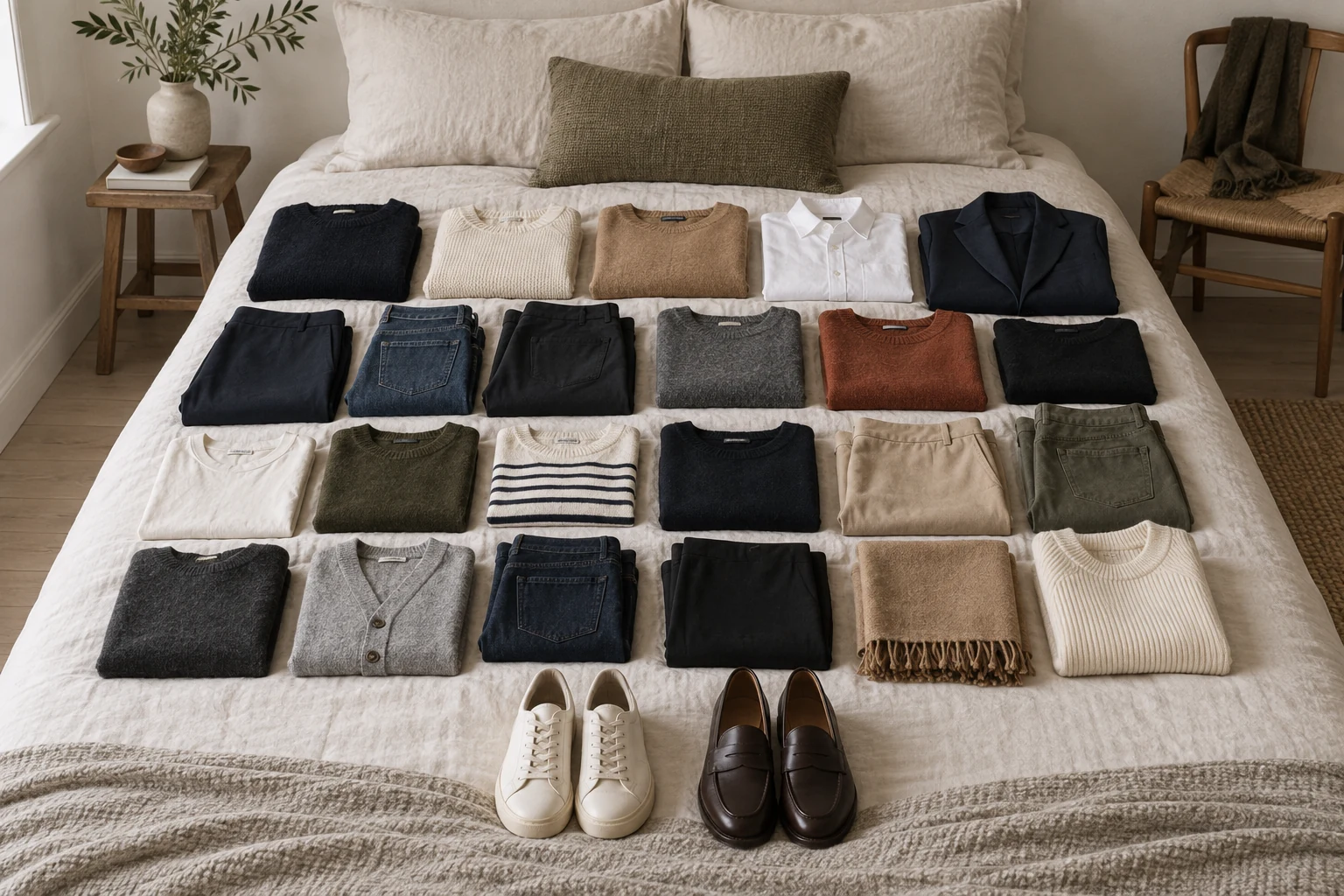
How to build a capsule wardrobe from what you own
Build a capsule wardrobe from your real week and the clothes you already reach for, with examples for women and men and a simple way to test it.
Closet and packing
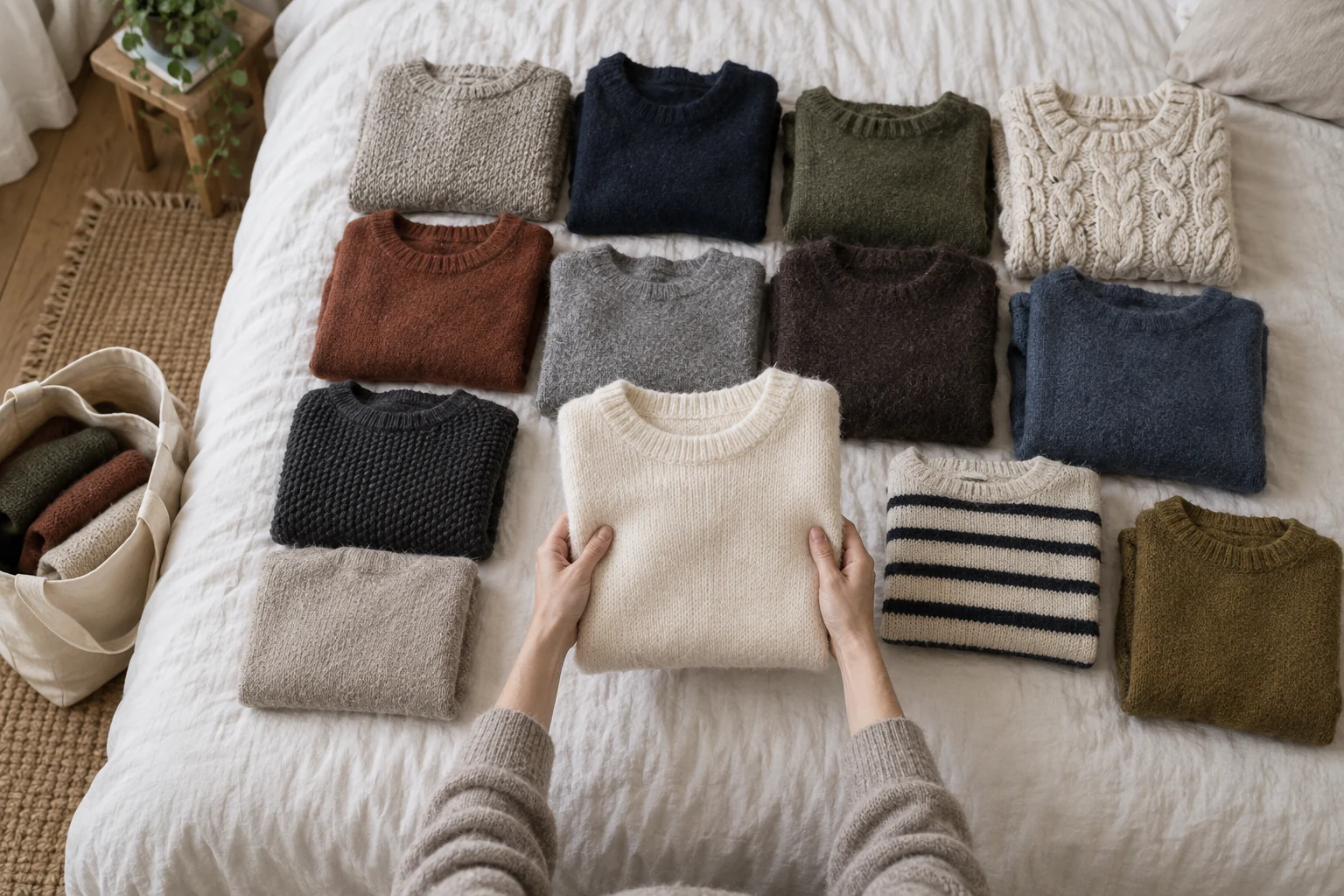
How to declutter your clothes and decide what to keep
How to declutter clothes one category at a time, with honest questions for deciding what to keep, what to repair, and where the rest should go.

Everyday style
What colors go together: color combinations for outfits
Practical color combinations for outfits: build on neutrals, try tonal dressing, add one accent, and test contrast against your own skin and hair in daylight.

Everyday style
How to dress for your body type without the rules
How to dress for your body type using fit, proportion and balance as tools, not rules. What shape labels and Kibbe can tell you, and where they stop helping.