What is velvet, and how to care for it
In this guide
Why does a velvet dress turn a shade lighter when you brush it the other way? Why is one midnight blue velvet blazer five times the price of another that looks almost the same? And can you wash any of it? Velvet comes back every December, looking luxurious and feeling wonderful, and these questions come with it. The answers start with what velvet is and how it is woven.
This guide explains how velvet is made and what it is made of, the main types and how velvet differs from velveteen, velour and corduroy, what it costs and why, how to wear it without looking like a theater curtain, and how to care for it.
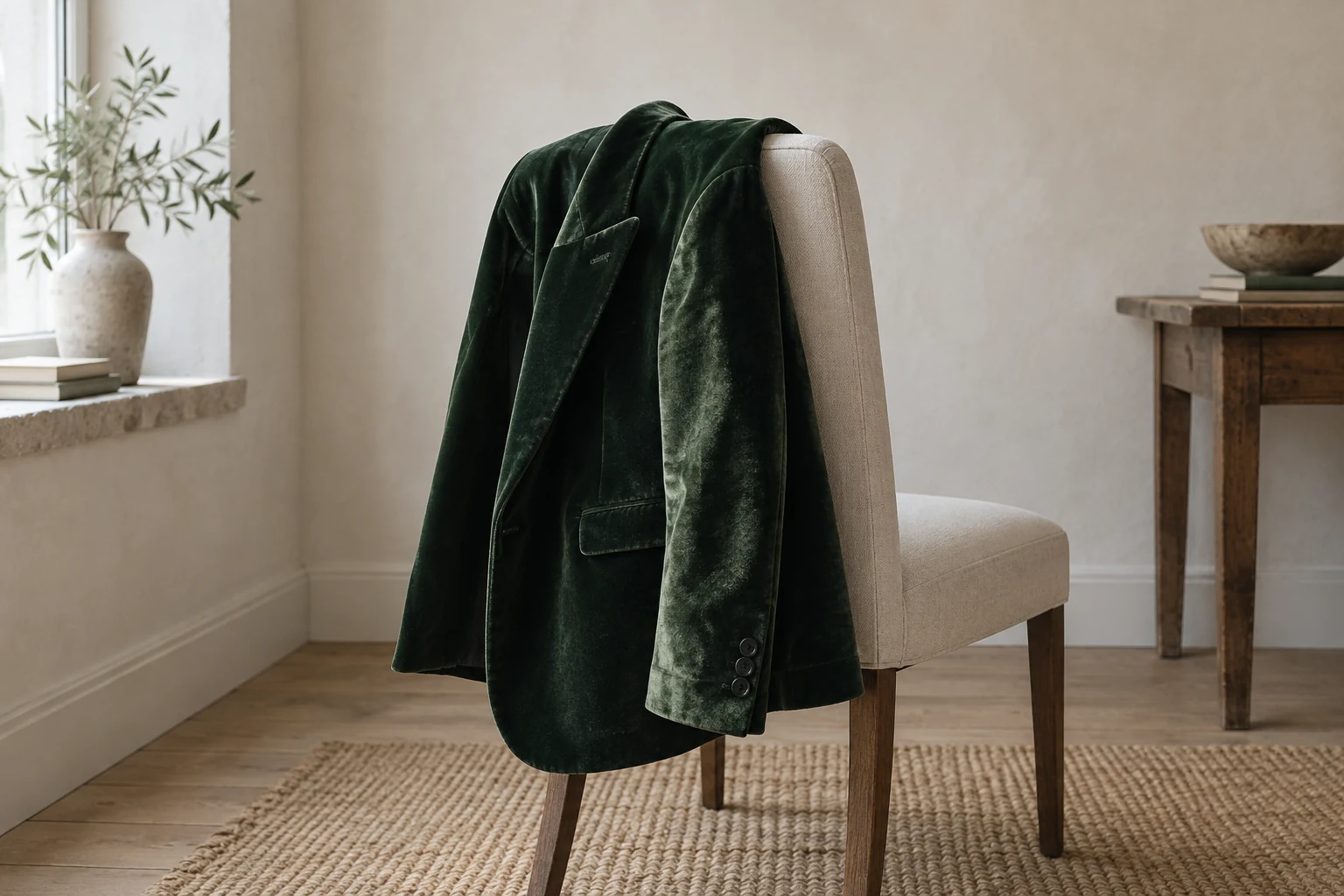
What velvet is and how it is made
Velvet is a pile fabric: a woven base cloth with a dense layer of short, cut threads standing upright over the whole surface. Those tufts catch and absorb light, which is why velvet looks richer and darker than a flat fabric of the same dye, and why the color seems to shift as the pile moves. Running your hand one way smooths the pile and feels silky; the other way lifts it and feels slightly rough. That direction is called the nap.
True velvet gets its pile from an extra set of lengthwise warp threads. In the usual modern method, two layers of cloth are woven face to face at the same time, with the pile threads passing between them. A blade then cuts through the middle, producing two lengths of velvet at once. Before power looms, pile was made over rods and cut by hand, which is why velvet was for centuries one of the most expensive fabrics in the world and a sign of rank in medieval and Renaissance courts. Industrial weaving made it affordable for ordinary buyers in the nineteenth century.
What velvet is made of: silk, cotton and synthetics
Velvet describes the structure, not the fiber. Silk velvet is the original and the most luxurious, light and fluid with a deep luster, and it is expensive. Much of what is sold as silk velvet today is actually a silk and viscose blend, with a silk base and a viscose pile, which gives similar drape at a lower price. Cotton velvet has a matte, soft, slightly heavier hand, and is durable enough for jackets, trousers and upholstery.
Viscose (rayon) velvet drapes beautifully and has a strong sheen but crushes and water spots easily. Polyester and nylon velvets are cheaper, hard wearing, colorfast and easier to care for, though they can look flatter and feel warmer. Stretch velvet adds spandex, usually on a knitted base, for bodycon dresses and leggings. Velvet is only made from animal fibers when it is silk or wool; our guide to viscose explains the plant based fibers used in many velvets.
| Fiber | Look and feel | Good to know |
|---|---|---|
| Silk | Light, fluid, deep luster | The original and the most expensive |
| Silk and viscose blend | Silk base, viscose pile, similar drape | Often what is sold as silk velvet |
| Cotton | Matte, soft, slightly heavier | Durable for jackets, trousers, upholstery |
| Viscose or rayon | Beautiful drape, strong sheen | Crushes and water spots easily |
| Polyester or nylon | Can look flatter, feels warmer | Cheaper, hard wearing, colorfast, easy care |
| Stretch velvet | Spandex on a knitted base | Bodycon dresses and leggings; often washable |
Types of velvet, and velvet vs velveteen, velour and corduroy
Crushed velvet is twisted or pressed while wet to create an irregular, shimmering pattern. Panne velvet has its pile pressed flat in one direction under heavy pressure, giving a high gloss. Devoré, or burnout velvet, has areas of pile dissolved chemically to leave a sheer pattern on the base cloth. Embossed velvet is stamped with heated rollers to create a raised design, and ciselé velvet combines cut and uncut loops for a pattern in the pile itself.
Velveteen looks similar but is a different cloth: its pile comes from extra crosswise weft threads rather than warp threads, it is usually cotton, and the pile is shorter and less lustrous, which makes it sturdier and more casual. Velour is a knitted pile fabric, stretchy and soft, used for tracksuits and loungewear. Corduroy is a close cousin of velveteen, with the pile arranged in ridges instead of an even surface; see our guide to corduroy.
Why velvet is expensive, and its downsides
Velvet uses far more yarn than a flat fabric of the same size, needs specialized looms and a careful cutting and finishing process, and must be cut and sewn with every panel facing the same direction, which wastes more cloth. Silk velvet adds the cost of silk itself. That explains why good velvet costs more, and why cheap velvet often has a thin, sparse pile you can see the base through when you fold it.
Its downsides are real. The pile crushes where you sit or lean, leaving shiny patches at the seat and elbows. It shows water spots, lint and pet hair, sheds a little when new, and is warm, so it is uncomfortable in heat and heated rooms. It also marks where it is pressed or folded for long. None of this makes velvet a bad choice, just a fabric for occasions, cooler months and careful storage rather than hard daily wear.
How to wear velvet today
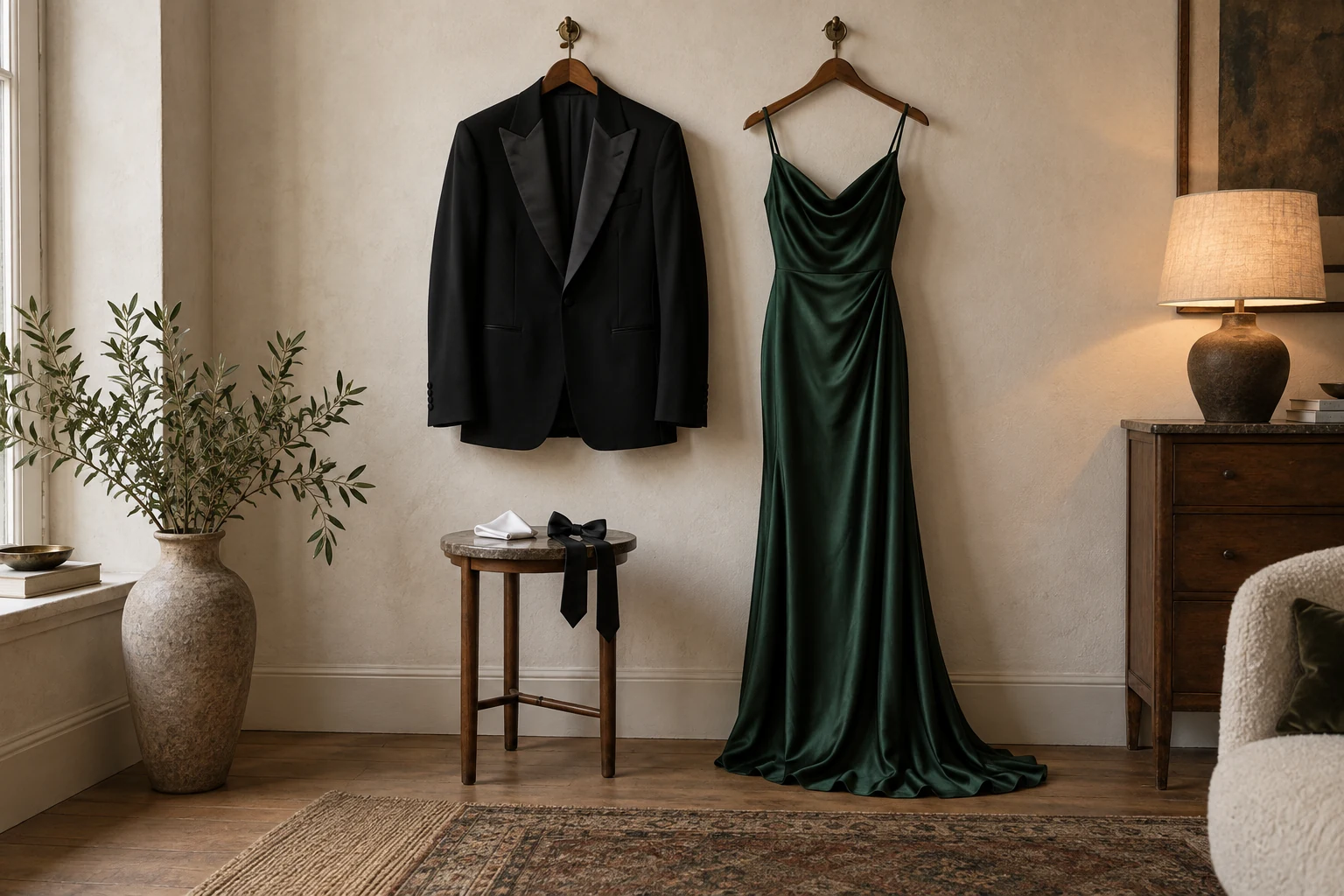
Velvet is traditionally an evening and holiday fabric, and it shines at a holiday party or a winter wedding. For women, a velvet slip or wrap dress, a velvet blazer with a silk camisole, or velvet wide leg trousers with a fine knit all look festive without effort. For men, the classic piece is the velvet dinner jacket, often in midnight blue, black, bottle green or burgundy, worn with black trousers and a bow tie; our guide to the black tie dress code explains when it fits. Velvet loafers or slippers are a smaller, easier way in.
To wear velvet in daytime, mix it with matte, everyday textures so it does not look like a costume: a velvet blazer with jeans and a white T shirt, a velvet skirt with a chunky sweater and boots, velvet trousers with a denim shirt. Keep it to one velvet piece per outfit unless it is a deliberate suit, and prefer deep, saturated colors, which is where velvet looks its best. Pale or bright velvet reads much more strongly.
How to care for velvet
Read the label first. Most silk, viscose and structured velvet garments should be dry cleaned, because water and agitation can flatten, spot or shrink the pile. Some cotton and polyester velvets, and most stretch velvet, can be washed cold on a gentle cycle, inside out, and hung to dry; never tumble dry velvet on high heat. If you are unsure, our guide to reading care labels will help.
Never iron the face of velvet. Pressing crushes the pile and leaves permanent shiny marks. Instead, hang the garment and steam it from the inside or from a few inches away, then brush the pile lightly in the direction of the nap with a soft clothes brush; our guide to steaming clothes shows the technique. Store velvet on padded hangers with space around it, not folded under other clothes, and use a lint roller gently for hair and dust.
Common mistakes
Ironing it like a shirt
A hot iron on the face crushes the pile into a shiny patch that rarely recovers. Steam from inside and brush the nap afterward.
Folding it tightly in a drawer
Pressure leaves creases and flattened lines in the pile. Hang velvet with room around it and pack it loosely, with tissue in the folds, when traveling.
Rubbing a spill
Rubbing pushes liquid into the pile and distorts it. Blot gently with a dry cloth, let it dry, and take silk or viscose velvet to a cleaner.
Questions people ask
What is special about velvet?
Its short, dense, upright pile, which gives a soft touch and a deep, light absorbing color that shifts as it moves. Few fabrics look as rich in low light. It is also warm, which makes it a natural choice for winter evening clothes.
Is velvet made from animals?
Only when the fibers are silk or wool. Cotton, viscose, polyester and nylon velvets contain no animal fibers. Check the fiber content on the label to be sure.
Is velvet a color?
No, velvet is a fabric. The word is often used for colors because velvet makes dyes look so deep, as in velvet red or velvet black, and brands sometimes name shades after it. In fabric, the color depends on the dye, the fiber and the direction of the pile.
Can you wear velvet in spring or summer?
It is mostly a cool weather fabric, but a light silk or viscose velvet accessory, such as a slipper or a hair band, works year round. For a warm evening event, a velvet jacket over something light is manageable indoors with air conditioning; a full velvet outfit usually is not.
Sources and further reading
References used for this guide. Each opens the original page in a new tab.
Keep reading
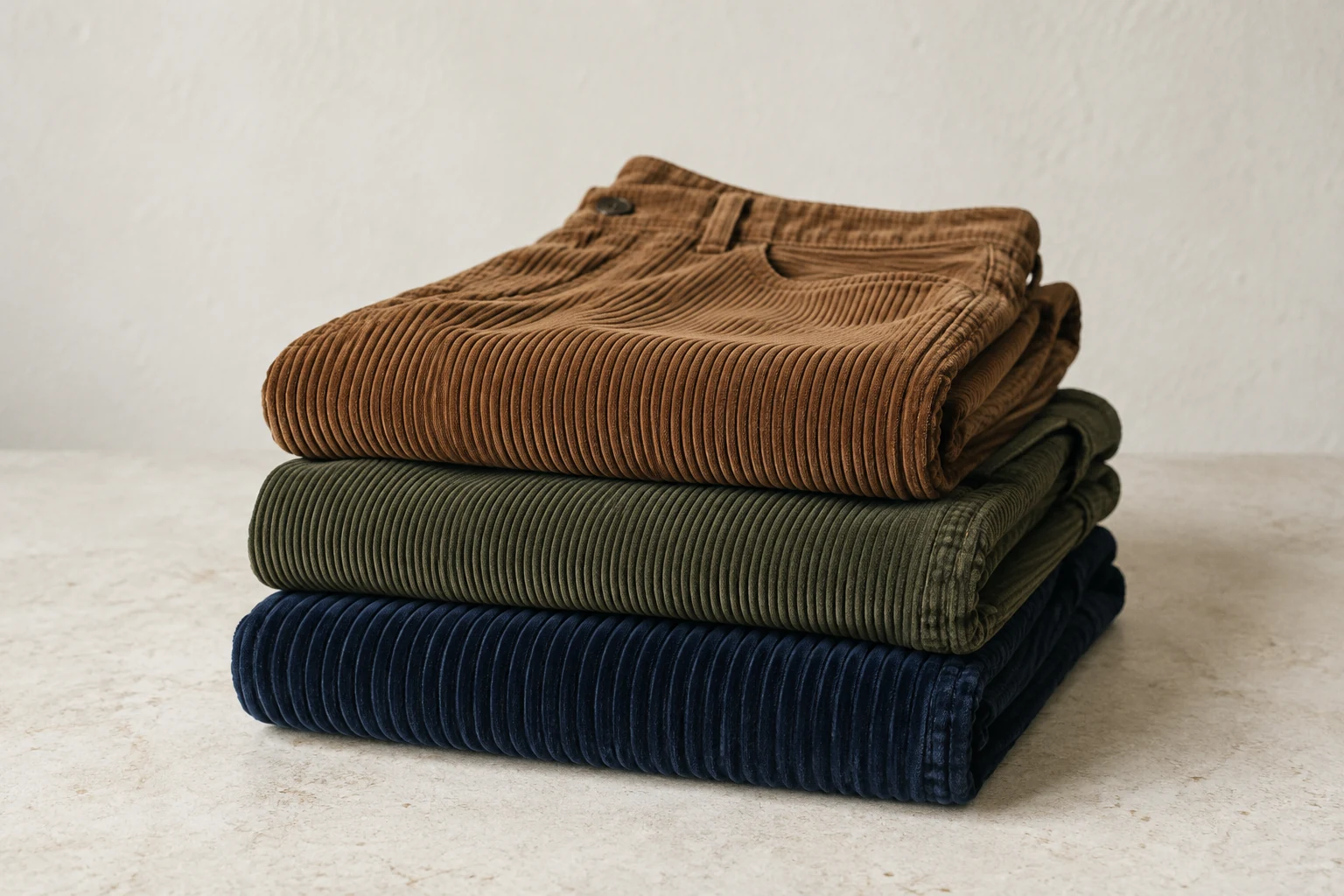
Fabrics
Corduroy: wales, care and how to wear it
What corduroy is, how wale counts change the look, how to wear corduroy pants and jackets without looking dated, and how to wash it without flattening the pile.
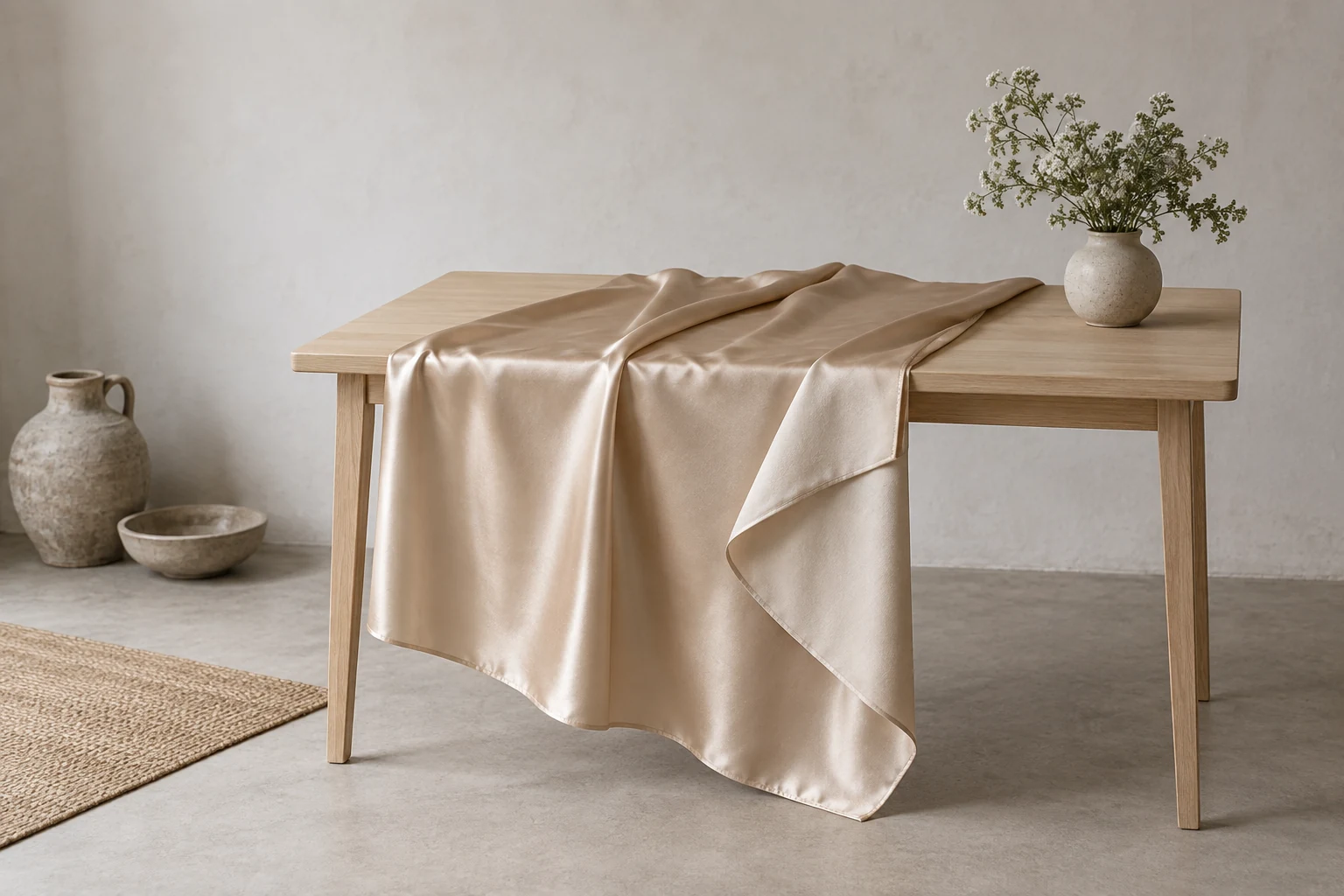
Fabrics
What is satin, and how is it different from silk
What satin is (a weave, not a fiber), how satin differs from silk, how to tell good satin from cheap, where it works, and how to wash it without water spots.
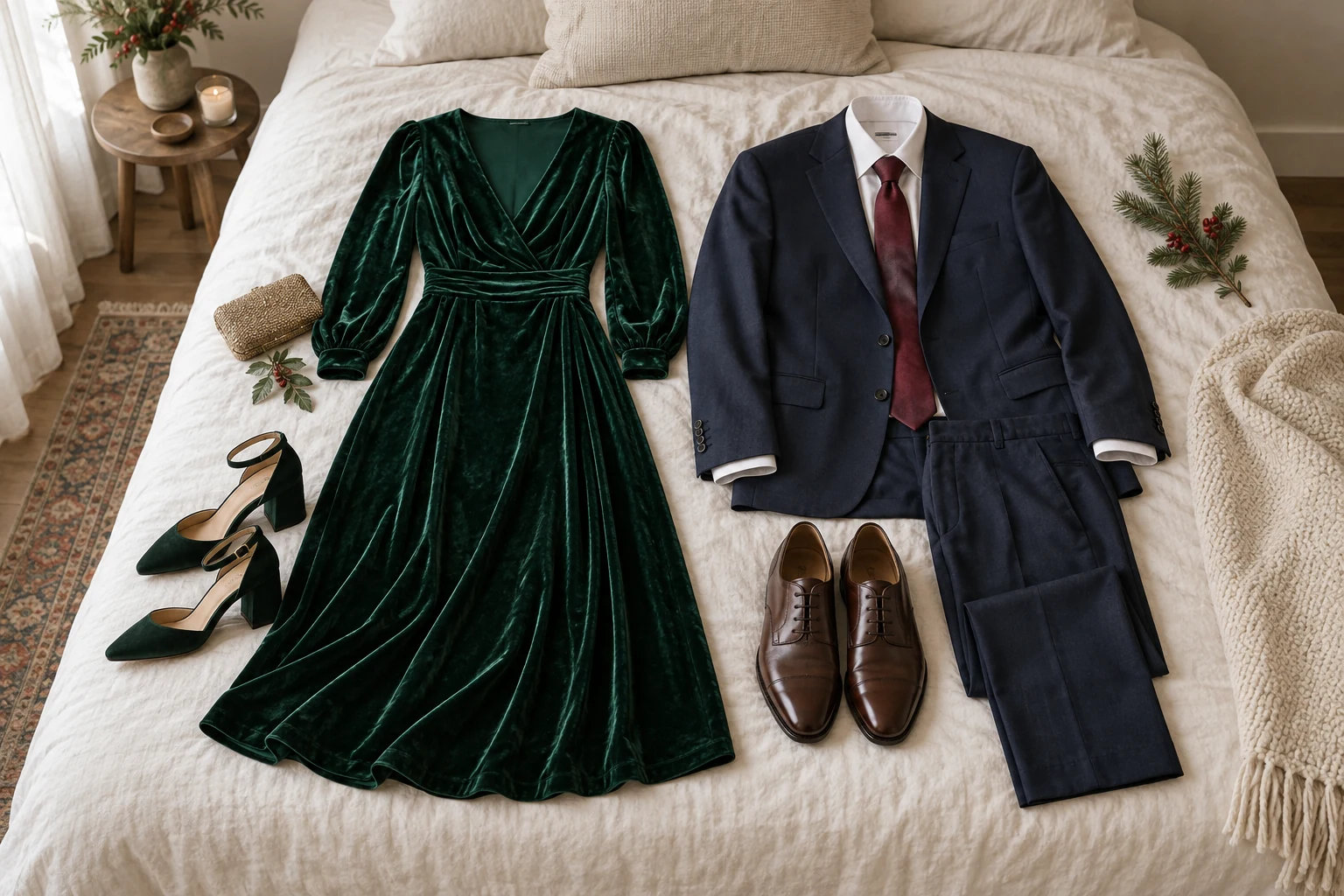
Dress codes
What to wear to a holiday party
How to choose a holiday party outfit for a work party, a friend's house or a cocktail evening: reading the invitation, outfits for women and men, fabrics and colors.

Washing and ironing
How to steam clothes with a garment steamer
How to steam clothes properly: set up a garment steamer, work each fabric, know what should never be steamed, and get wrinkles out with no steamer at all.
Dress codes
Black tie attire: what to wear, for men and women
Black tie attire explained: the tuxedo in detail, the shirt, bow tie and shoes, plus gowns and elegant alternatives for women and black tie weddings.