Smart casual: what it means for men and women
In this guide
A suit feels like too much, and your favorite jeans and hoodie feel like too little. Smart casual sits between them, whether the words appear on an invitation, a restaurant booking or a new office handbook, and it causes so much doubt precisely because nobody writes down where the line falls between your work clothes and your weekend clothes.
Smart casual is less a list of permitted items than a way of combining them. Once you understand the balance, you can put together a smart casual outfit from clothes you already own, for almost any setting that asks for it.
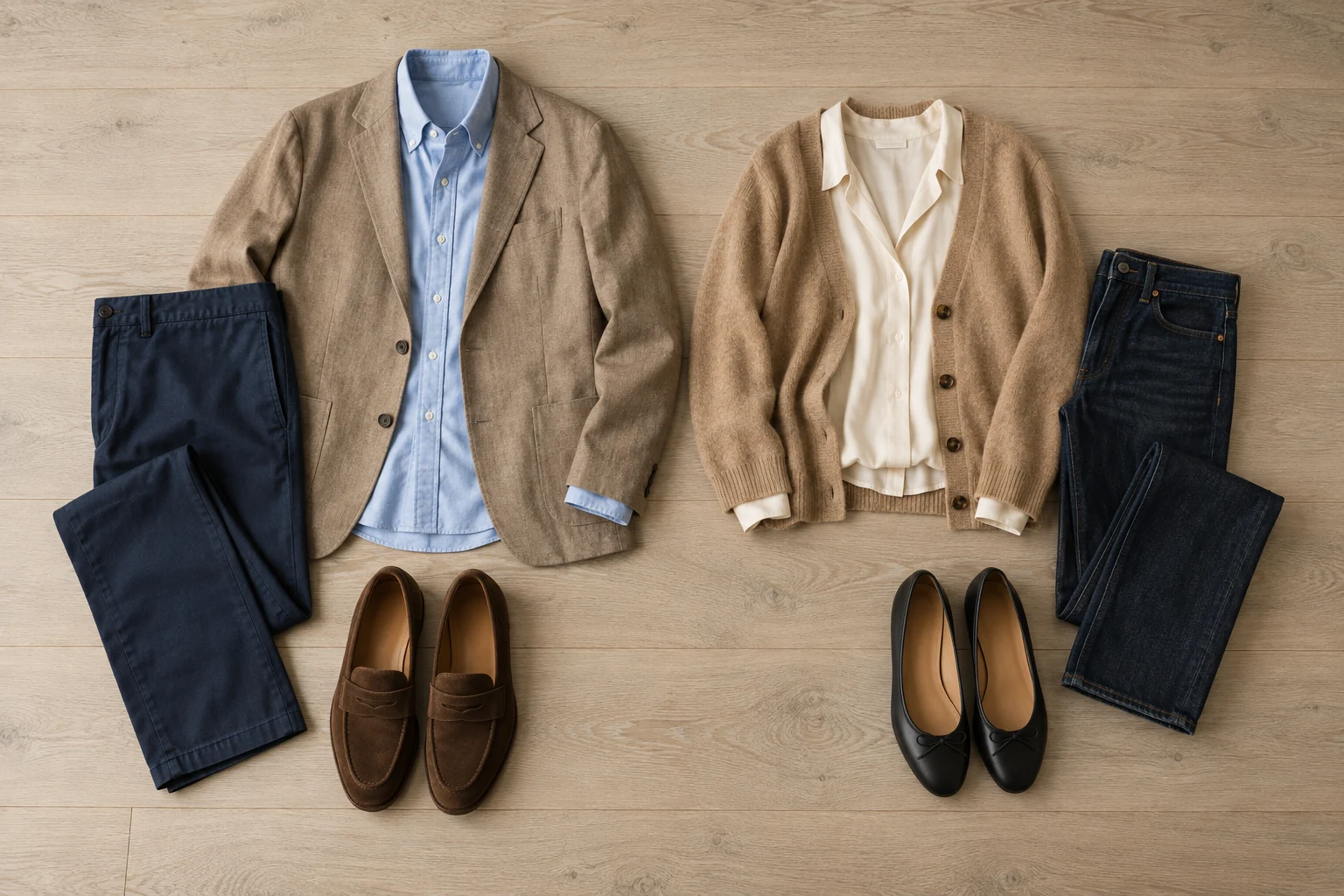
What smart casual means
The Cambridge Dictionary defines smart casual as clothing that is neat and stylish but not too formal, especially where that is the accepted way to dress for a place or occasion. In practice it means relaxed pieces worn with care: clean, pressed, well fitting, and mixed with at least one item that carries some polish, such as a collared shirt, a blazer, a structured knit or leather shoes. The casual half gives you room for denim, knitwear, open collars and personal style. The smart half rules out anything torn, faded, athletic, or meant for the beach.
A simple way to hold it in your head is one step up from what you would wear to run errands, and one step down from what you would wear to a job interview. The step up usually comes from fabric and fit rather than formality. A crisp cotton shirt and a sweatshirt are both casual, but only one of them reads as smart casual.
Smart casual vs business casual and dressy casual
These terms overlap, and different people use them differently, so treat the lines below as common American and British usage rather than fixed rules. On the usual ladder, which runs casual, smart casual, business casual, dressy casual, cocktail or semi formal, black tie optional, black tie and white tie, smart casual is the first step above plain casual. Business casual, one step up, is office first: Charles Tyrwhitt describes it as collared shirts or smart polos, chinos or tailored pants, neat knitwear and proper shoes, with a blazer optional. Smart casual is similar but a touch more relaxed and more open to personal style, which is why dark jeans and clean sneakers turn up far more often in smart casual advice. Our guides to business casual for men and business casual for women cover the office version in detail.
Dressy casual, the phrase the Emily Post Institute uses in its dress code guide, sits one step above business casual. Emily Post describes it as a balance between formal and casual suited to networking, fundraisers or dinner at a nice restaurant: dresses, skirts or dressy pants with a dressy top for women, and a sport coat or blazer with slacks and a button down shirt, tie optional, for men. If an event says smart casual and the venue is upscale, dressing toward dressy casual is rarely wrong.
| Code | What it looks like | Typical setting |
|---|---|---|
| Smart casual | Neat, relaxed pieces with one or two polished items; dark jeans often fine | Restaurants, relaxed offices, parties |
| Business casual | Collared shirts or smart polos, chinos or tailored pants, neat knits, proper shoes | The office |
| Dressy casual | A sport coat with slacks, or a dress, skirt or dressy pants with a dressy top | Networking, fundraisers, dinner at a nice restaurant |
These lines follow common American and British usage rather than fixed rules.
Smart casual for men
Start from the pants, because they set the level. Chinos, wool or cotton trousers in navy, gray, olive or stone are the most reliable choice, and dark, clean jeans with no rips or heavy fading work in most relaxed settings. On top, an oxford cloth button down, a casual shirt in a quiet pattern, a well made polo with a proper collar, or a fine merino or cotton knit all belong. A T shirt can work under a blazer or overshirt if it is plain, fitted and in good condition. A blazer or unstructured sport coat is the fastest way to move up a notch when you are unsure.
Shoes carry more weight than most men expect. Loafers, derbies, suede chukkas and plain leather boots are all smart casual. Clean, minimal leather sneakers are accepted in many restaurants and offices, but not all, so keep them for settings where you have seen them worn. Ties are optional and usually absent. Tuck in a shirt with long, curved tails; a shorter shirt with a straight hem can stay out, and our guide on how to tuck in a shirt covers the difference. Match your belt to your shoes in color family if you wear one.
Smart casual for women
Marks and Spencer describes smart casual for women as a high and low mix: one dressy piece, such as a pencil skirt or wide leg trousers, worn with something casual, such as a good white T shirt. That principle is more useful than any list. Tailored pants, dark straight or wide leg jeans, a midi skirt or a simple dress in a solid color or quiet print form the base. On top, a silk or cotton blouse, a fine knit, a crisp shirt or a well cut T shirt all work, and a blazer or cardigan finishes the outfit. A jumpsuit in a dressy fabric counts too.
For shoes, loafers, ballet flats, block heels, ankle boots and simple sandals with a structured sole all fit the code; plain white leather sneakers work in more relaxed settings. Smart casual dresses tend to be knee length or midi in cotton, linen, jersey or crepe rather than sequins or satin, which lean toward cocktail. Accessories can do some of the smart work for you: a leather bag, a belt, a scarf or a few pieces of jewelry. If you are building around wide leg pants, our guide on how to style wide leg pants goes further.
Are jeans and sneakers smart casual?
Usually yes, with conditions. Jeans count when they are dark or black, clean, without rips or heavy fading, and fitted rather than baggy, and when the rest of the outfit is clearly dressed up, for example with a crisp shirt, a knit or a blazer. Both Charles Tyrwhitt and Marks and Spencer accept jeans on those terms. Emily Post is more cautious for work settings, calling jeans usually a no for business casual, which is a reminder that the word business pushes things one notch more formal.
Sneakers follow the same logic. Minimal leather sneakers in white, black or navy, spotless and without athletic mesh or loud branding, can be smart casual. Running shoes and gym trainers are not. When the setting matters and you cannot check, swap one of the two: dark jeans with loafers, or chinos with clean sneakers, is safer than jeans and sneakers together. Shorts, including tailored chino shorts, are generally outside the code except at warm weather daytime events where the host clearly signals it.
Adjust smart casual to the setting
The same two words mean different things in a law firm, a creative studio, a hotel bar and a backyard birthday. Marks and Spencer makes the point well: a conventional office leans toward the smart side and a creative agency toward the casual side, and a hotel bar asks for more polish than a pub. Look for clues in the invitation, the venue's website and photos of past events, and ask the host one specific question, such as whether jeans are fine, rather than a vague one.
Time and season matter too. Evening events and dinners in the city pull toward a blazer, darker colors and leather shoes. Daytime and outdoor events allow lighter colors, linen and loafers without socks. If you are dressing for a smart casual wedding, the couple's day still deserves a little more than a regular dinner, so see our guide to wedding guest attire. When you really cannot tell, bring the blazer. It is easy to take a jacket off and impossible to put on one you left at home.
Common mistakes
Treating casual as the main word
Wrinkled shirts, scuffed shoes and faded tees read as careless even in expensive brands. Smart casual depends on condition as much as on which items you choose.
Wearing a full suit and tie
A matching suit with a tie reads as business formal. If you want to wear the suit, drop the tie and open the collar, or wear the jacket with different trousers.
Stacking several casual pieces
A polo, chinos and loafers work. Swap in distressed denim, a hoodie and running shoes and the outfit slides into plain casual. Keep at least one clearly smart element.
Ignoring the venue
Some restaurants and clubs have their own rules about sneakers, shorts or collars. A stated venue rule overrides any general guide, including this one.
Questions people ask
What does smart casual mean at a restaurant?
At a restaurant it usually means no athletic wear, beachwear, flip flops or ripped denim, and often no shorts or caps in the evening. Dark jeans or chinos with a collared shirt, blouse or fine knit and leather shoes are safe almost everywhere. Some restaurants also ask men for collared shirts or closed shoes, and their stated rule always overrides a general guide, so check the booking page or website.
Can I wear a dress to a smart casual event?
Yes. A knee length or midi dress in cotton, linen, jersey or crepe fits the code well, especially with flats, block heels or ankle boots and a cardigan or blazer. Very short, sparkly or satin dresses read as cocktail or party wear instead.
Is a polo shirt smart casual?
A well made polo with a structured collar, in a solid color and good condition, is smart casual, especially with chinos and loafers. A thin athletic polo or a faded logo polo is not. Under a blazer, a knit polo is one of the easiest warm weather options.
Do I need a blazer for smart casual?
No, but it helps when you are unsure or the setting is upscale. A blazer turns jeans and a shirt into something clearly smart casual. Without one, let the shirt, knitwear and shoes carry the polish.
What should I wear to a smart casual job interview?
Lean to the smart end: tailored pants or dark chinos, a shirt or blouse, a blazer and leather shoes. Charles Tyrwhitt's advice is to err on the smarter side, since it is easier to dress down later than up. Our guide to what to wear to a job interview goes further.
Can I wear shorts in a smart casual dress code in summer?
Usually not. Most smart casual settings expect full length trousers, jeans or a skirt or dress. Tailored chino or linen shorts with a collared shirt and loafers can work at a relaxed daytime event in hot weather, such as a garden party or a lunch by the water, when the host or the venue clearly allows them. For men in summer, lightweight linen or cotton trousers are the safer way to stay cool.
Sources and further reading
References used for this guide. Each opens the original page in a new tab.
- Cambridge Dictionary definition of smart casual Opens in a new tab
- Charles Tyrwhitt guide to business casual and smart casual Opens in a new tab
- Emily Post Institute, Business Casual 101 Opens in a new tab
- Marks and Spencer guide to smart casual dressing for women Opens in a new tab
- Emily Post Institute attire guide, dress codes from casual to white tie Opens in a new tab
Keep reading
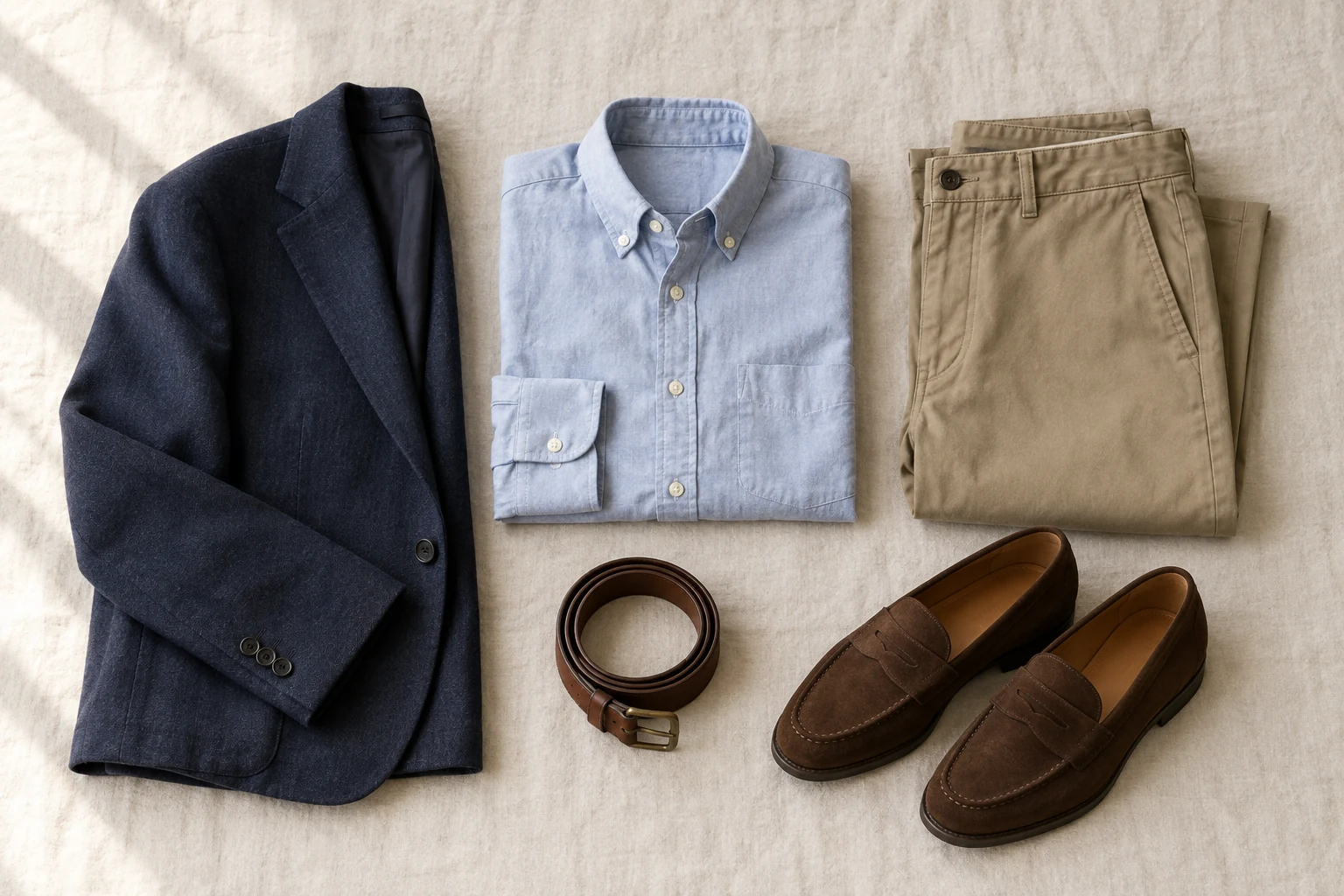
Dress codes
Business casual for men: what to wear to work
What business casual means for men at work, with outfit formulas, the right shoes, when jeans are allowed and how to read your own office's version of the code.
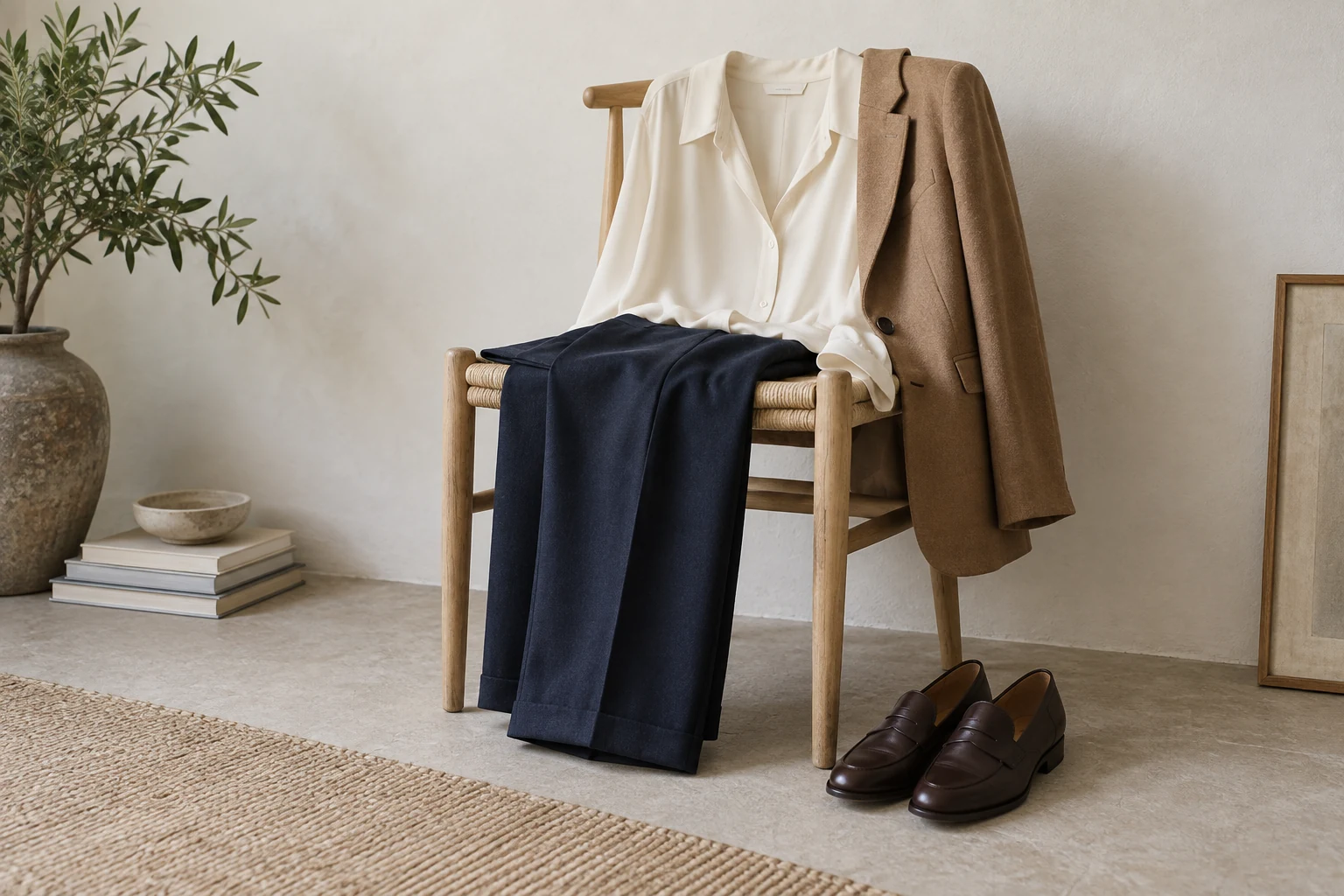
Dress codes
Business casual for women: what to wear to work
What business casual means for women at work: trousers, skirts, dresses, knitwear and shoes, with outfit formulas, what to avoid and how to read your office.
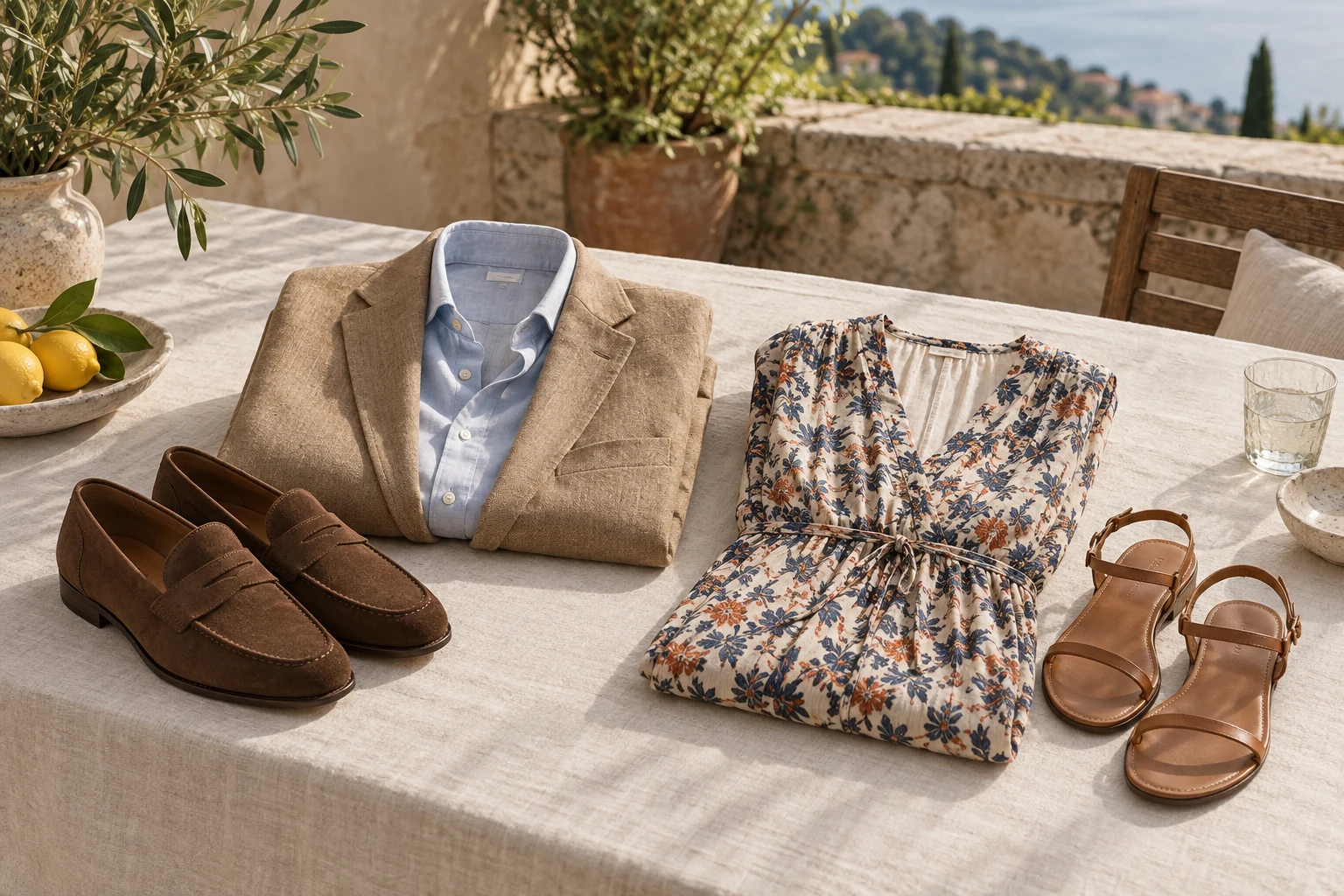
Dress codes
Dressy casual: what it means for men and women
What dressy casual means on an invitation, with outfits for men and women, whether jeans count, and how a dressy casual wedding differs from a party or dinner.
Dress codes
What to wear to a job interview
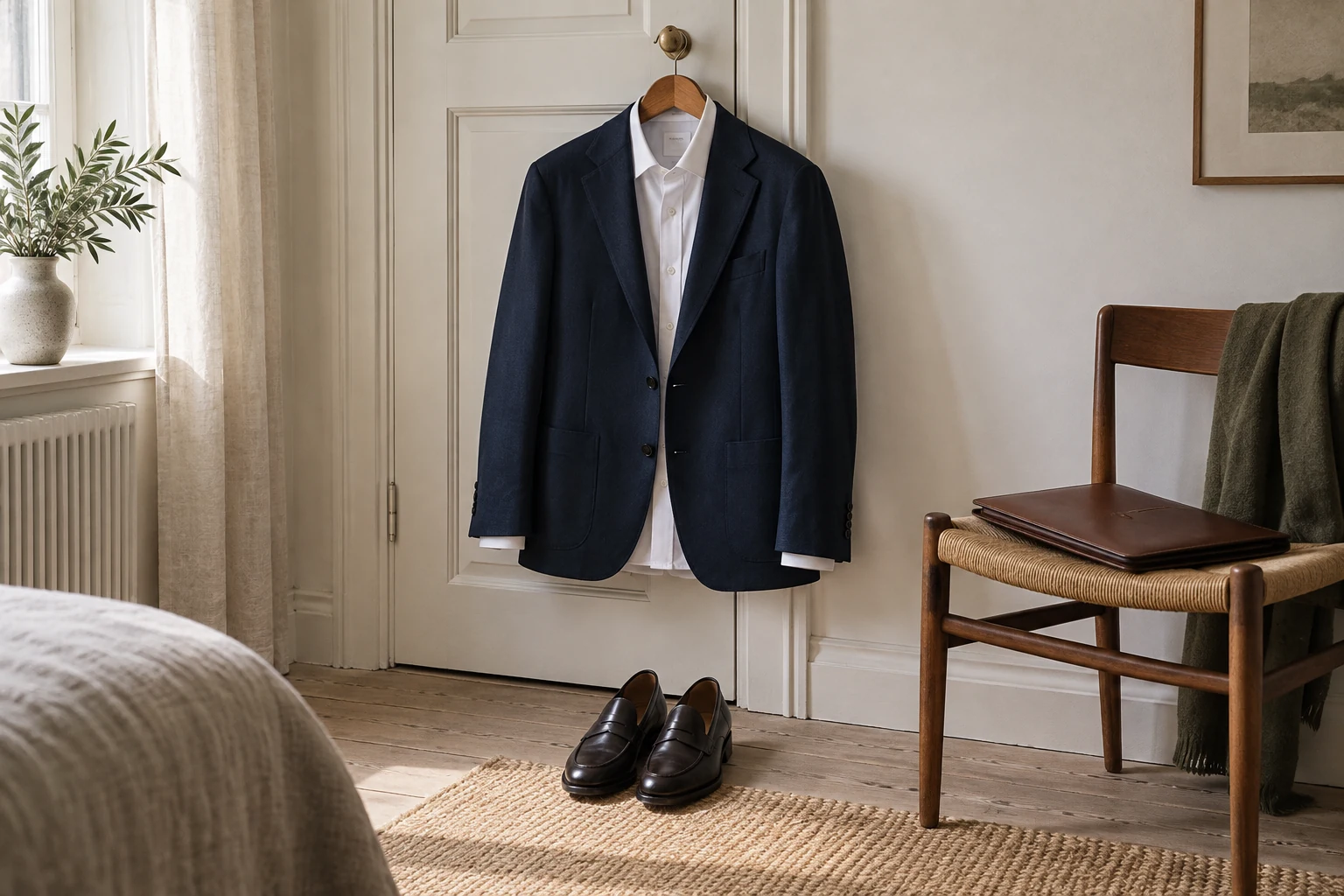
What to wear to a job interview: how to read the company, dress one step above daily wear, outfits for men and women, video interviews and what to avoid.
Dress codes
Wedding guest attire: every dress code decoded
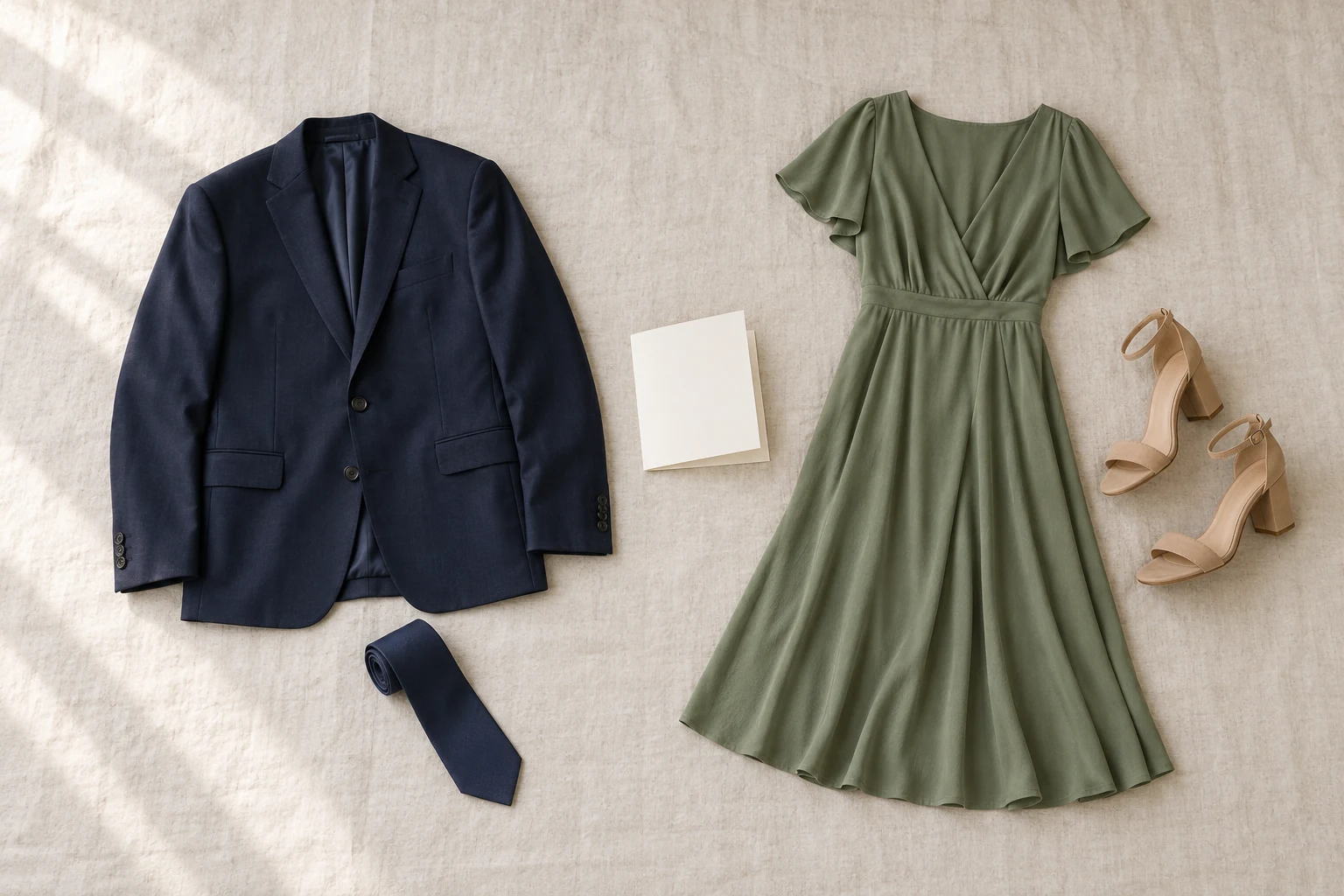
Wedding guest attire explained from black tie to casual, with what men and women can wear for each dress code, plus color, venue and religious considerations.