Athleisure: what it is and how to wear it well
In this guide
You have a morning class, an afternoon shift and maybe a workout if the day allows, and the outfit that makes the most sense is a pair of leggings or joggers, a zip top and sneakers. The question is whether it looks like you are going to the gym, or like you chose it on purpose. That gap is what athleisure is about.
This guide explains what athleisure means and where it came from, how it differs from activewear, the pieces that make up an athleisure wardrobe, complete outfits for women and men, where it works and where it does not, and how to keep technical fabrics looking new.
What athleisure means and where it came from
Athleisure joins the words athletic and leisure. The Merriam Webster dictionary added it in 2016, defining it as casual clothing designed to be worn both for exercising and for general use. The idea is older than the word. Hooded sweatshirts started as practical workwear and sportswear in the 1930s, the stretch fiber spandex was invented in 1958, and tracksuits moved from the track to the street in the 1960s. In the 1970s and 1980s, hip hop culture in North America made tracksuits, sneakers and sports jackets part of everyday style.
The modern athleisure wave began with yoga pants in the mid 2000s and became a retail category of its own in the mid 2010s, when leggings started replacing jeans for many people. The pandemic years pushed it further, as comfortable clothing moved from home into offices and classrooms. Today athleisure fashion ranges from basic leggings and hoodies to tailored track pants, knit sets and technical jackets that look closer to regular clothes than to gym kit.
Athleisure vs activewear
The difference is purpose. Activewear is made to perform during exercise: compression, sweat wicking, support for running or lifting, reflective details, pockets for keys. Athleisure borrows those fabrics and shapes but is chosen for how it looks and feels during the rest of the day. Many pieces are both, which is why the line blurs, but you can usually tell by the details. A running tight with a high sheen and reflective tape is activewear; a matte legging with a clean waistband worn under a long coat is athleisure.
This matters for how you shop and dress. A piece that is excellent in a spin class may be too shiny, too thin or too tight for a day of errands and coffee, and a soft brushed jogger that is perfect for travel may be too warm to run in. When you buy athleisure wear for daily life, check the fabric in daylight: thicker, matte knits usually look more intentional and are less see through when you bend.
| Point | Athleisure | Activewear |
|---|---|---|
| Made for | Everyday comfort and looks | Performance during exercise |
| Fabric | Thicker, matte knits and soft blends | Compression, wicking, sometimes shiny |
| Details | Clean waistbands, minimal seams, tailored cuts | Reflective tape, key pockets, heavy support |
| Worn with | Coats, denim jackets, structured bags | Other gym and running gear |
Many pieces do both; judge each by fabric and details in daylight.
The key pieces of athleisure clothing
For the bottom half, athleisure pants cover a wide range: matte leggings and flared leggings, straight leg or wide leg knit trousers, joggers with a clean cuff, track pants with a side stripe, and tailored stretch trousers that look almost like chinos. On top come fitted tanks and long sleeve tops, sports bras worn as tops in warm weather, bodysuits, zip up or half zip layers, hoodies, crewneck sweatshirts and track jackets. An athleisure set, a matching top and bottom in the same knit and color, is the quickest way to look finished.
Outerwear and accessories are what make it everyday clothing. A puffer or a padded vest, a denim or bomber jacket, a long wool coat or a trench all transform the same leggings. Sneakers should be clean and simple, such as retro runners or court shoes; a cap, a structured tote or crossbody bag, and small gold or silver jewelry finish the outfit. Colors that look expensive in this category are the quiet ones: black, charcoal, navy, oatmeal, olive, chocolate brown and soft gray, with one brighter piece if you like.
Athleisure outfits for women
A reliable weekday outfit is black matte leggings, a fitted long sleeve top, an oversized gray crewneck sweatshirt, white socks and retro runners, with a long camel or charcoal wool coat on top. The coat does most of the work, turning a gym silhouette into a city one. In warmer months, try a brown or olive athleisure set, flared leggings and a cropped zip top, with clean white sneakers and a structured bag, and hair in a sleek bun or a claw clip.
For class or travel, wide leg knit trousers in navy or oatmeal with a white fitted tee and a denim jacket are comfortable for a long day and look like regular clothes. For coffee after pilates, the fastest fix is to throw an oversized button down shirt or a cropped cardigan over the sports bra and leggings. Our guide to pilates outfits covers what to wear in the class itself, and the guide to what to wear on a plane explains why soft knits work so well for long trips.
Men's athleisure
Men's athleisure works best with a slightly relaxed fit rather than tight compression pieces. Tapered or straight joggers in charcoal or navy with a clean cuff, a heavyweight plain T shirt, a half zip or a hoodie, and simple running or court sneakers make a solid base. Add a padded vest or a bomber jacket for fall, and a wool overcoat over a hoodie in winter, which is a classic city look that balances sporty and smart.
Track pants with a side stripe are the most current way to wear athleisure menswear with personality: pair them with a knit polo or a plain crewneck sweater and leather sneakers, so the sporty piece is surrounded by regular clothes. Soccer jerseys and retro track jackets over jeans belong to the related blokecore trend. Keep shorts for warm weather and the gym, and avoid visible logos on every piece, which quickly makes an outfit look like a team uniform.
Where athleisure works, and where it does not
Athleisure is at home at class, on errands, at casual brunch, for travel, at a coffee shop workday and in many creative or remote friendly offices. In an office, the version that works is the most tailored one: stretch trousers that look like chinos, a knit polo or fine sweater, and minimal leather sneakers, following whatever your workplace's own dress code says. Our guide to business casual for women shows where that line usually falls.
It does not work for job interviews, weddings, funerals, formal dinners or anywhere with a dress code above casual. People sometimes ask whether athleisure is still a thing; it is, but the direction has shifted toward quieter, more tailored pieces and toward mixing one sporty item into an otherwise normal outfit, rather than head to toe gym wear. That mix is also the easiest way to start from your own closet: take the leggings or joggers you already own and pair them with your best coat, your cleanest sneakers and a real bag.
How to keep athleisure looking new
Athleisure only looks intentional while it looks fresh. Pilling, baggy knees, faded black and lingering odors are what push it back into gym territory. Follow the care label, wash stretch pieces inside out on a cool, gentle cycle, and keep them away from towels and anything with zips or rough surfaces that cause pilling. High heat is hard on stretch fibers, so air dry leggings and sports bras or tumble them on low.
According to the American Cleaning Institute, modern fabric softeners used in the right amount do not reduce the wicking of athletic wear, but more product is never better, and too much detergent can leave residue that holds odor. If a favorite piece still smells after washing, our guide to washing workout clothes explains soaking and other fixes, and removing pilling brings a worn sweatshirt back.
Common mistakes
Wearing shiny gym leggings as trousers
High sheen, thin leggings show every seam and can turn see through when you bend. Choose thicker, matte fabric for everyday wear and test it in daylight.
Head to toe sportswear with no anchor
Leggings, hoodie, sneakers and a sports cap together read as on the way to the gym. Add one non sporty piece: a wool coat, a denim jacket, a structured bag or leather sneakers.
Letting pieces fade and pill
Faded black and pilled knees make athleisure look tired. Wash inside out, keep heat low and retire pieces that have lost their shape.
Questions people ask
What does athleisure mean?
Athleisure means athletic style clothing worn as everyday wear, such as leggings, joggers, hoodies and sneakers. The Merriam Webster dictionary defines it as casual clothing designed to be worn both for exercising and for general use.
What is the difference between athleisure and activewear?
Activewear is designed for performance during exercise, with features like compression and support. Athleisure uses similar fabrics and shapes but is chosen to look good and feel comfortable through a normal day.
Is athleisure still in style?
Yes, it remains a large part of how people dress, but the look has moved toward quieter colors, tailored track pants, knit sets and single sporty pieces mixed with regular clothes. Head to toe gym wear feels less current than a mix.
Can you wear athleisure to work?
In many casual offices, yes, if you choose the most tailored pieces, such as stretch trousers, a fine knit and leather sneakers. Always follow your workplace's own dress code, and skip leggings, hoodies and gym shorts where the code is business casual or stricter.
Sources and further reading
References used for this guide. Each opens the original page in a new tab.
Keep reading
Everyday style
Pilates outfit guide: what to wear to mat and reformer
What to wear to Pilates: why a fitted Pilates outfit matters, grip socks, what to skip on the reformer, matching sets, and outfit ideas from class to coffee.
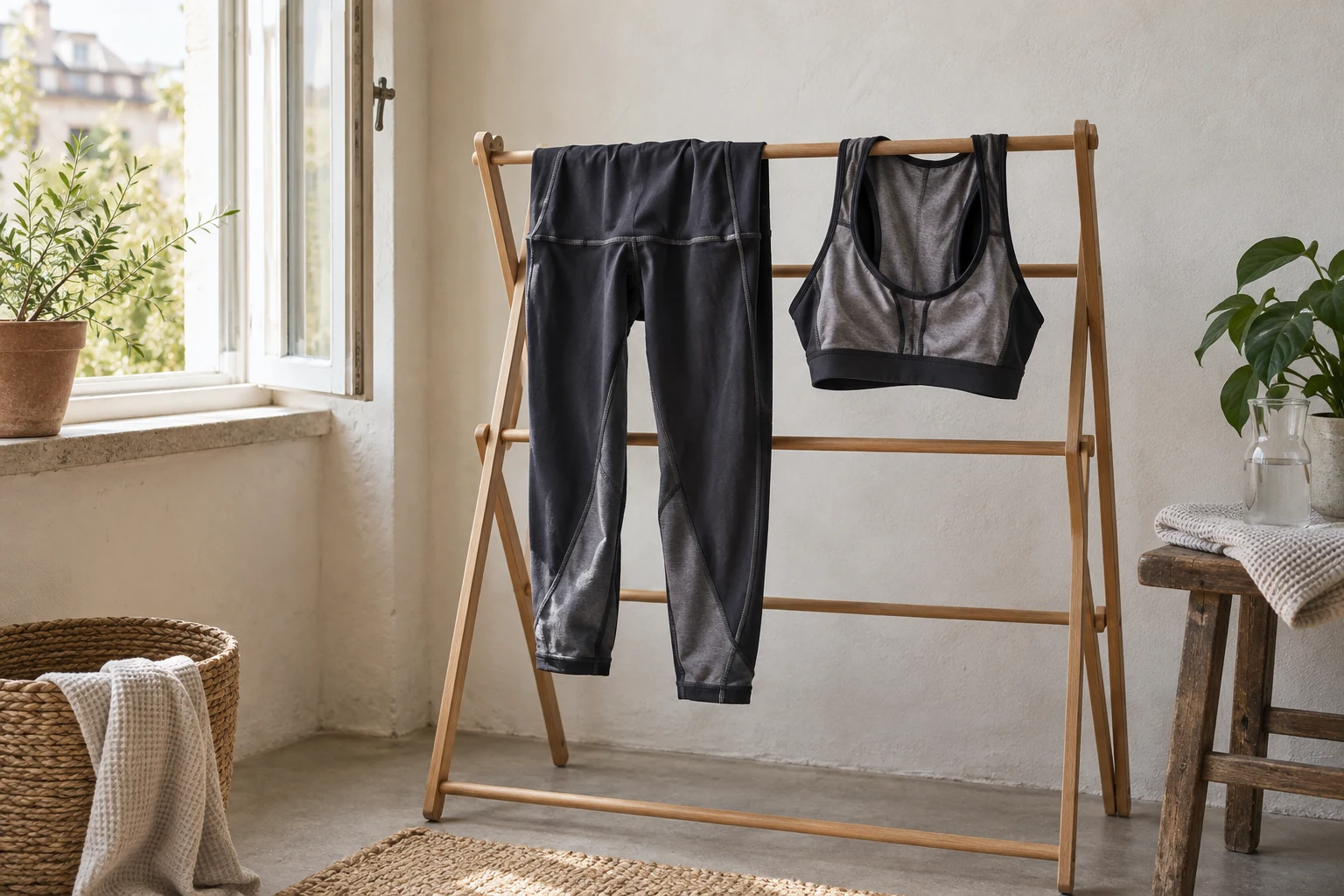
Washing and ironing
How to wash workout clothes and remove odor
How to wash workout clothes so the smell actually leaves: what to do right after training, water temperature, detergent, soaking, drying and when to deep clean.
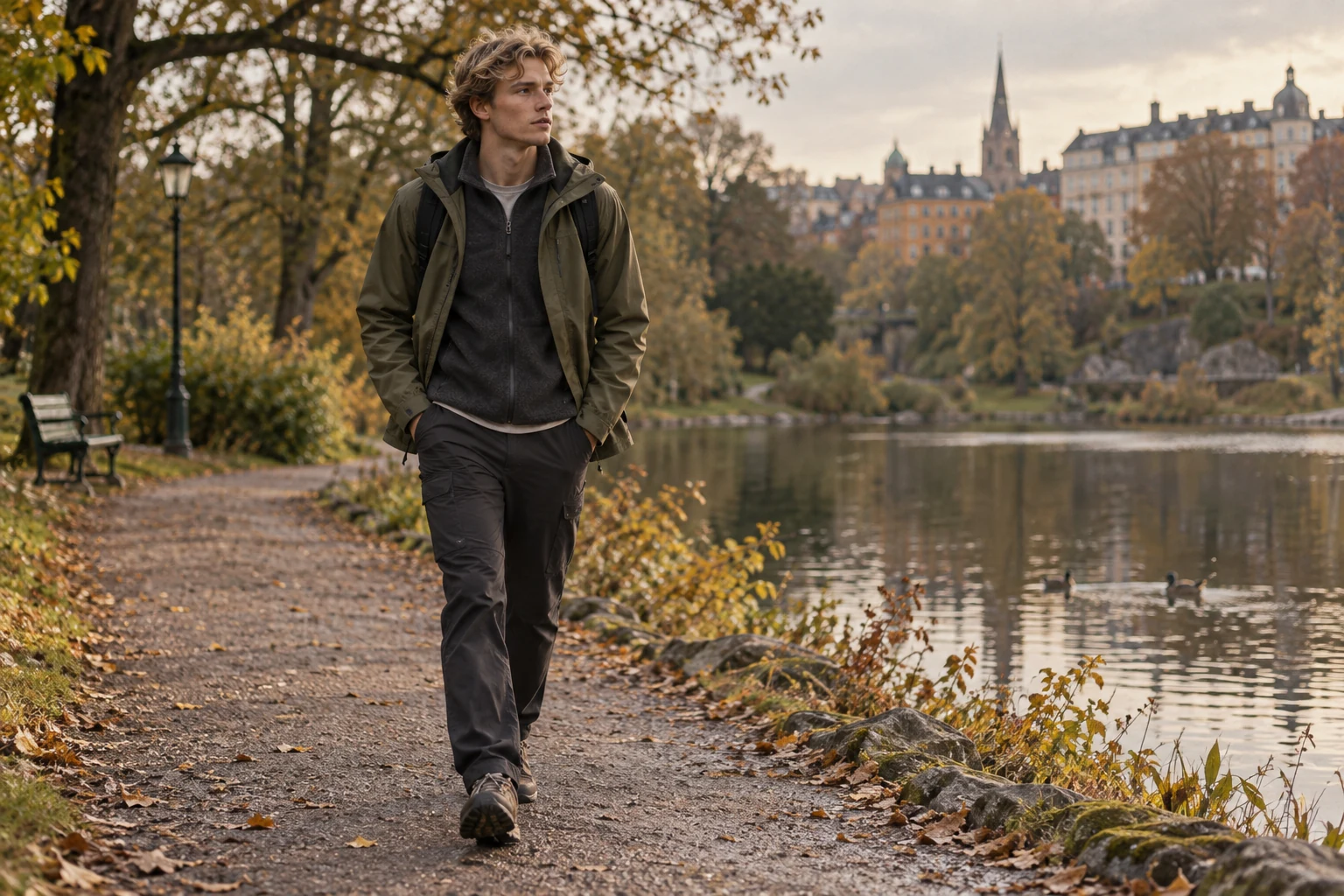
Styles
Gorpcore: outdoor gear as everyday style
What gorpcore means, where the name came from, the jackets, fleeces, pants and shoes it is built on, and gorpcore outfits that work in town, not just on the trail.
Styles
Blokecore: the football shirt style and how to wear it
What blokecore means, where the football jersey style came from, the key pieces, and blokecore outfits for men and women that look current, not like match day.
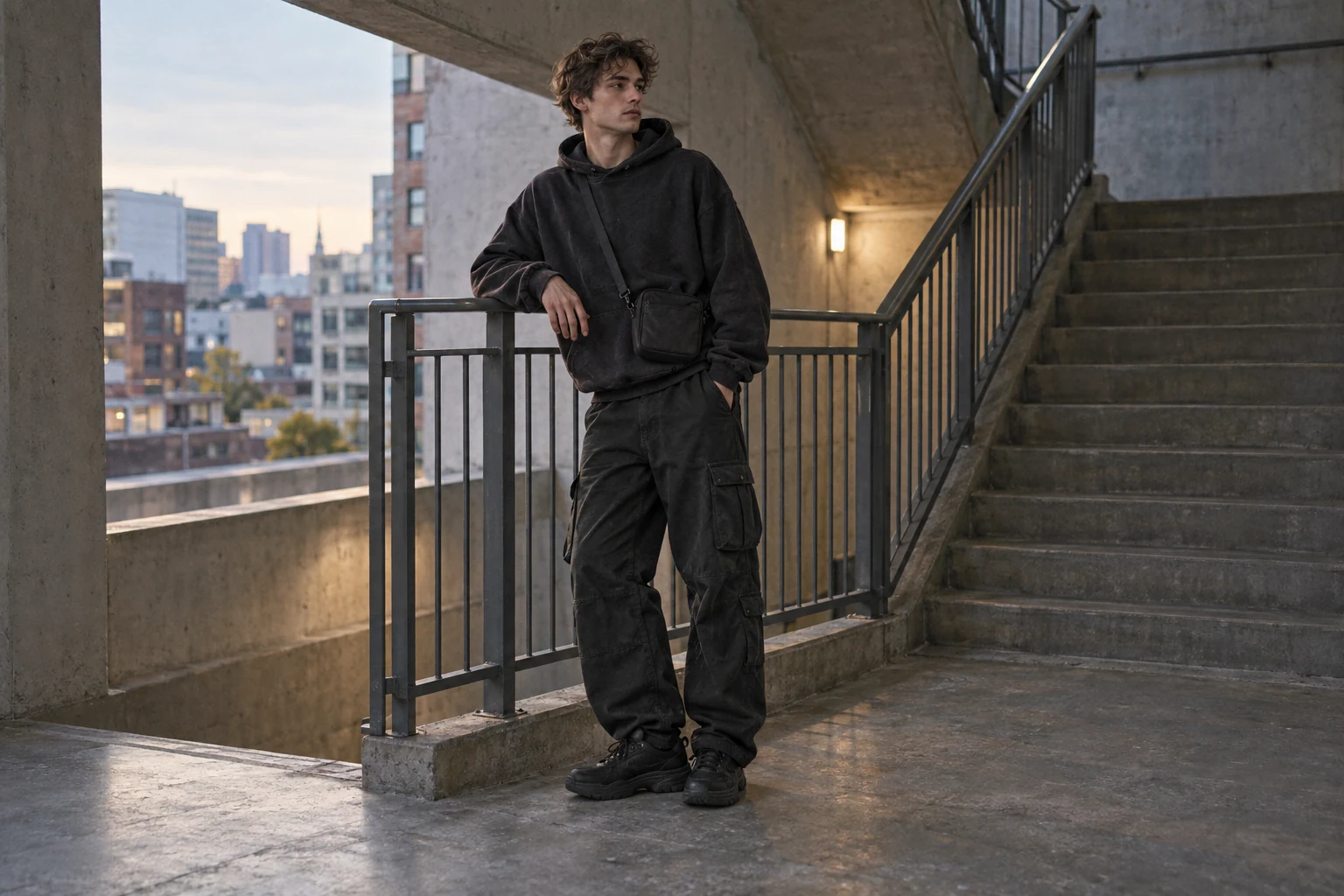
Styles
Streetwear style: the pieces, proportions and outfits
What streetwear style is, where it came from, the core pieces and proportions, and streetwear outfits for men and women that look grown up, not like a costume.