Monochrome outfits: how to wear one color head to toe
In this guide
You have a brown knit you love and brown trousers that never seemed to go with anything, and one morning you try them together. Suddenly the outfit looks deliberate, calm and a bit more expensive than either piece on its own. That is the quiet trick of a monochrome outfit: one color, worn with intention, does the work that a carefully chosen color combination usually does.
It can also go wrong, and flat all black or head to toe beige can look like a uniform nobody chose. This guide explains what monochrome really means in clothes, the few things that make it work, how different colors behave, and monochrome outfit ideas for women and men built from pieces most people already own.
What a monochrome outfit is
Monochrome comes from the Greek words for one and color. In art and design a monochromatic scheme uses a single hue in its variations: tints, where white has been added and the color is lighter; shades, where black has been added and it is darker; and tones, where gray softens it. A monochrome outfit applies the same idea to clothes. A camel coat over a cream knit and oatmeal trousers is monochrome, even though no two pieces match exactly, because every piece sits in the same color family.
People also use the word loosely. Some mean an outfit in exactly one shade, like a matching sweatsuit or suit. Others mean tonal dressing, where the shades step lighter and darker on purpose. And many people say monochrome when they mean black and white, which is really a contrast outfit rather than a single color. All three are useful, but the tonal version is the most forgiving, because it does not require you to find pieces that match perfectly across different fabrics and makers.
How to make one color look rich, not flat
Texture is what keeps a single color interesting. A ribbed knit, a smooth cotton, a brushed wool and a leather shoe all catch light differently, so the eye has something to travel across even when the color stays the same. Aim for at least two finishes that contrast, such as matte with a slight sheen, or knit with woven. An outfit where every piece is the same flat jersey tends to look like pajamas, however good the color.
Next, step the shades. Putting the darkest piece at one end, top or bottom, and moving through a middle shade to the lightest gives the outfit direction. Keep the undertone consistent: warm browns and creams lean yellow or red, while cool grays and icy blues lean blue, and a warm piece next to a cool one in the same nominal color often looks like a mistake rather than a choice. Check your pieces together in daylight near a window, because indoor bulbs hide undertones. Finally, give the outline a shape. A fitted top over wide trousers, or a boxy jacket over slim pants, keeps the column of color from looking like one shapeless block.
Choosing a color: black, cream, brown and beyond
A black monochrome outfit is the easiest to own and the hardest to make interesting, because black fabrics fade at different speeds and texture carries everything. Pair a black wool coat with a fine black knit, black trousers and polished black shoes, and make sure the blacks are close in depth. Cream and ivory feel soft and bright, especially in spring, and look best with lots of texture, like a cable knit with a cotton trouser. Brown, from chocolate to tan, is warm, forgiving and very current, and a brown monochrome outfit in suede, knit and corduroy looks rich with almost no effort.
Gray is the calm office choice and works in every season, from charcoal suits to heather sweatsuits. Navy reads as polished and is gentler than black next to the face. Stronger colors make a statement: a burgundy monochrome outfit in knit, leather and wool is perfect for fall evenings, forest green feels outdoorsy yet refined, and red or pink head to toe is the boldest version, best kept to simple shapes. If you are unsure which colors suit your skin and hair, our guide to color analysis can help, and our overview of colors that go together covers what to do when you want to add a second color later.
| Color | Mood | Textures that help |
|---|---|---|
| Black | Sharp, evening, city | Wool, fine knit, leather; keep blacks the same depth |
| Cream and ivory | Soft, bright, spring | Cable knit, cotton twill, canvas |
| Brown and camel | Warm, relaxed, current | Suede, ribbed knit, corduroy, satin |
| Gray | Calm, office, any season | Flannel, heather jersey, suede |
| Navy | Polished, gentle near the face | Denim, cotton overshirt, suede |
| Burgundy and green | Bold, autumnal | Knit, leather, wool |
Monochrome outfit ideas for women
For class or a creative job, try a cream monochrome outfit: a chunky cream cardigan buttoned as a top, ivory wide leg trousers, an oatmeal tote and white leather sneakers or pale ballet flats. The textures do the work, and the whole look photographs beautifully in soft light. For a dinner or date, wear chocolate brown: a fitted ribbed knit, a satin midi skirt a shade lighter, dark brown knee boots and a small suede bag. The shine of the satin against the matte knit is what makes it look considered.
On a colder weekend, go gray from top to bottom, with a charcoal wool coat, a heather gray hoodie or crewneck, light gray straight jeans and gray suede sneakers. For something bolder, a burgundy set works well: a knit polo, wide burgundy trousers, oxblood loafers and a darker burgundy scarf. Hair and makeup can stay simple, because the color already makes the statement, and a single silver or gold piece of jewelry is enough to finish it.
Monochrome outfit ideas for men
A monochrome outfit for men is one of the easiest ways to look put together without learning color rules. Start with navy: a navy overshirt, a navy tee underneath, dark indigo jeans and navy suede sneakers or boots. It reads as a clear choice rather than a coincidence, because the fabrics and depths vary. An all black version works for going out, with a black knit polo, pleated black trousers, a black leather jacket and black leather shoes, provided the blacks have not faded to charcoal.
Warmer men's monochrome outfits look especially current. Try a camel overcoat over a tan knit, stone chinos and brown suede loafers, or an olive work jacket with a sage tee, olive cargo trousers and dark green sneakers. In summer, a cream linen shirt with ecru trousers and white canvas shoes keeps you cool and looks tidy. If a tie or belt is involved, our guide to matching your belt, shoes and socks keeps the small pieces in the same family instead of breaking the line.
Shoes, bags and a second color
Shoes decide whether a monochrome look feels continuous or anchored. Matching the shoe to the trousers stretches the line of color and makes legs look longer, which is why tonal boots under tonal trousers look so sleek. A contrasting shoe, such as white sneakers under an all navy outfit, breaks the column on purpose and makes the look more casual. Both are right; they just say different things.
If a single color feels too strict, add one accent and keep it small. A pale blue shirt collar under a navy sweater, a red lip with all black, or gold jewelry with brown all add interest without turning the outfit into a color combination. Bags and belts work best one step lighter or darker than the main color, so they sit inside the look instead of cutting across it. A white or neutral tee visible under a layer is also a fine accent, especially near the face.
Build your first monochrome outfit from your closet
Pull every piece in your closet that belongs to one color family, including shoes, bags and scarves, and lay them out together near a window. Most people discover they already own a near complete tonal outfit in black, gray, navy or brown. Put aside anything whose undertone fights the rest, then pick a top, a bottom and a layer with at least two different textures, and add shoes that either continue the color or deliberately break it.
Once you have one version you like, repeat the formula in a second color. Monochrome is a big part of minimalist style and the polished look often called quiet luxury, and it is a smart way to stretch a small capsule wardrobe, because every piece in one color family works with every other. When something is missing, it is usually a single layer in a middle shade that links the lightest and darkest pieces.
Common mistakes
Using one flat fabric
Head to toe cotton jersey in one shade reads as loungewear. Mix at least two textures, such as a knit with a woven trouser or a leather shoe with wool.
Mixing warm and cool versions
A yellowish cream beside a bluish white, or a warm gray with a cool gray, looks accidental. Compare pieces in daylight and keep one undertone.
Faded blacks
Black pieces fade at different rates, and a washed out tee next to new trousers ruins an all black look. Wash black clothes inside out in cold water and retire the tired ones to the gym drawer.
Questions people ask
Is monochrome still in fashion?
Yes. Tonal and one color dressing has been a steady part of runway and street style for years, which makes it more of a technique than a passing trend. The favorite colors change from season to season, but the method of texture, steps of shade and one undertone stays the same.
Does monochrome make you look taller?
It often does, because one unbroken color from shoulder to shoe creates a long vertical line with no strong horizontal breaks at the waist or ankle. Matching your shoes to your trousers adds to the effect. It is a visual effect, not a rule, so wear whatever proportions you like.
Is black and white a monochrome outfit?
Strictly speaking, black and white is a high contrast outfit rather than a single color, although people often call it monochrome because it has no hue. It follows different rules: the contrast itself is the point, so pieces can be very simple.
Can you wear denim in a monochrome outfit?
Yes, denim is one of the easiest ways in. A light wash denim shirt with light blue jeans is the classic double denim look, and our guide to the Canadian tuxedo explains how to vary the washes so it looks intentional.
Sources and further reading
References used for this guide. Each opens the original page in a new tab.
Keep reading
Everyday style
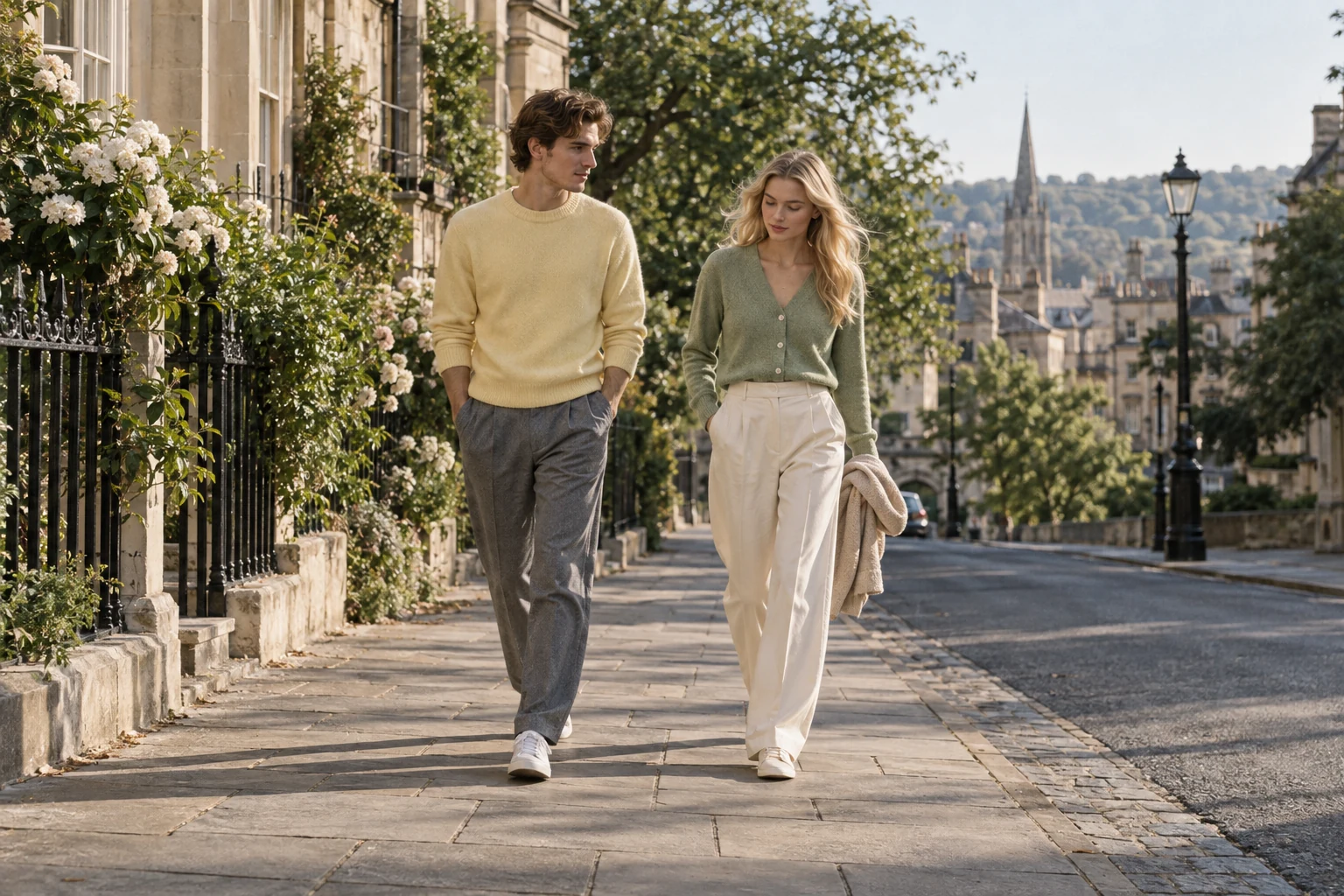
What colors go together: color combinations for outfits
Practical color combinations for outfits: build on neutrals, try tonal dressing, add one accent, and test contrast against your own skin and hair in daylight.
Styles
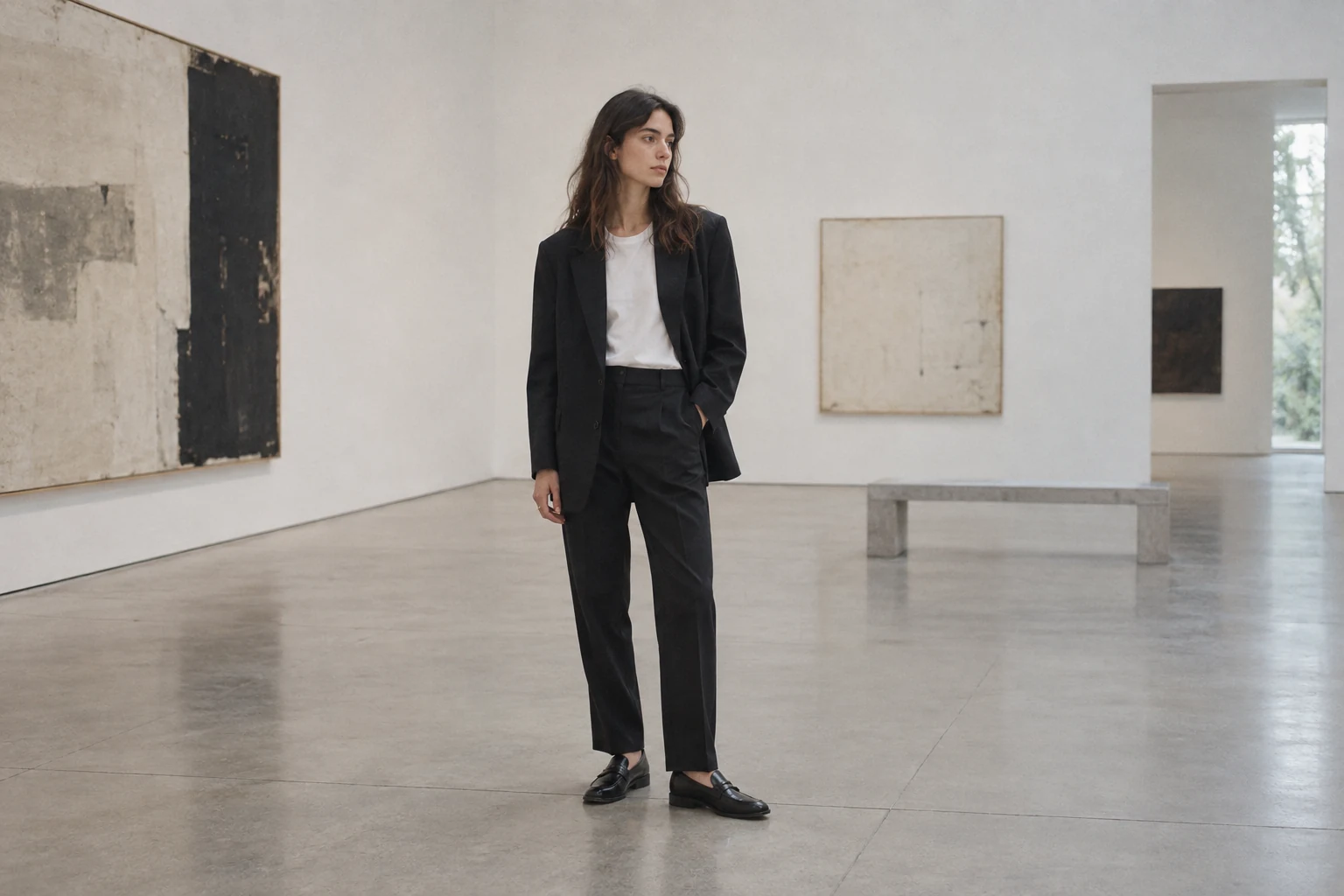
Minimalist style: fewer pieces, better outfits
What minimalist style really is, where it came from, the pieces, colors and fabrics it relies on, and minimalist outfits for men and women that never look plain.
Styles
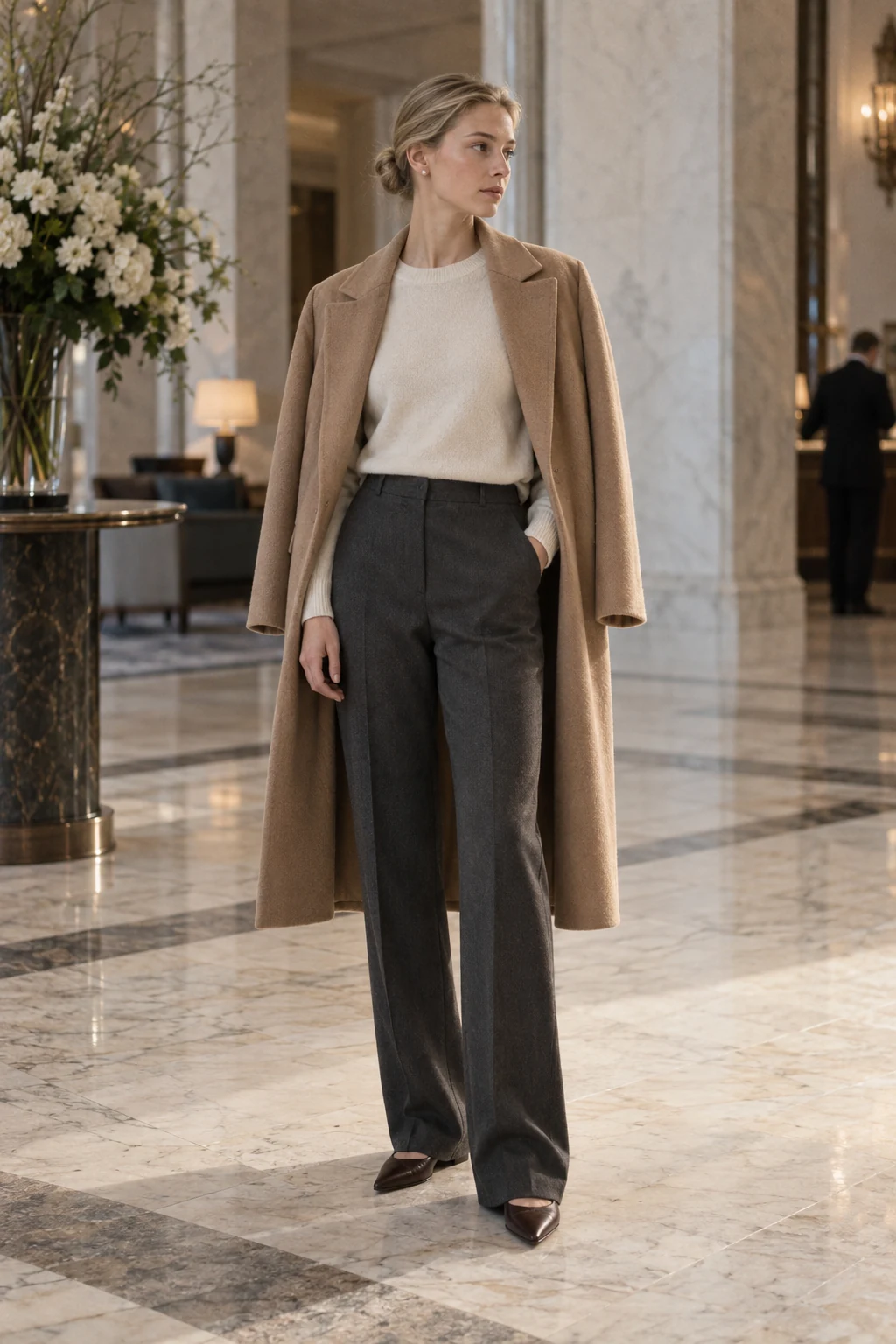
Quiet luxury: what it is and how to wear it for less
What quiet luxury is, where the trend came from, the fabrics, colors and pieces that define it, and quiet luxury outfits for men and women on a real budget.
Styles
Seasonal color analysis: how to find your season
What seasonal color analysis is, the 4, 12 and 16 season systems, how to test yourself at home in daylight, and how to use your palette with clothes you own.
Everyday style
Canadian tuxedo: how to wear denim on denim now
What a Canadian tuxedo is, why it has that name, the simple rules that make denim on denim look intentional, and outfits for men and women that feel current.